Rick Roll AI: Star in the Rickroll Video from One Photo
You stand in the white arched studio from the 1987 Never Gonna Give You Up video, at the chrome mic, tapping your feet and doing the fist-pump dance. One photo of you is all it takes.
Updated : Page published.
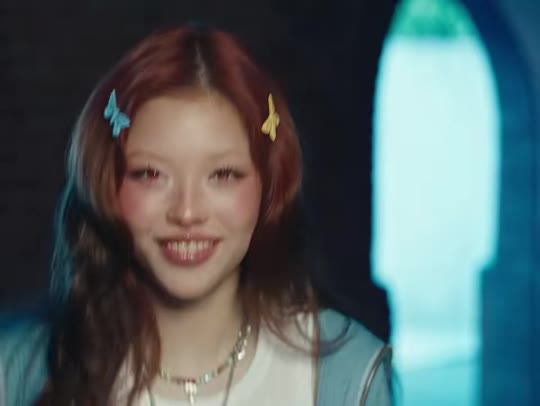
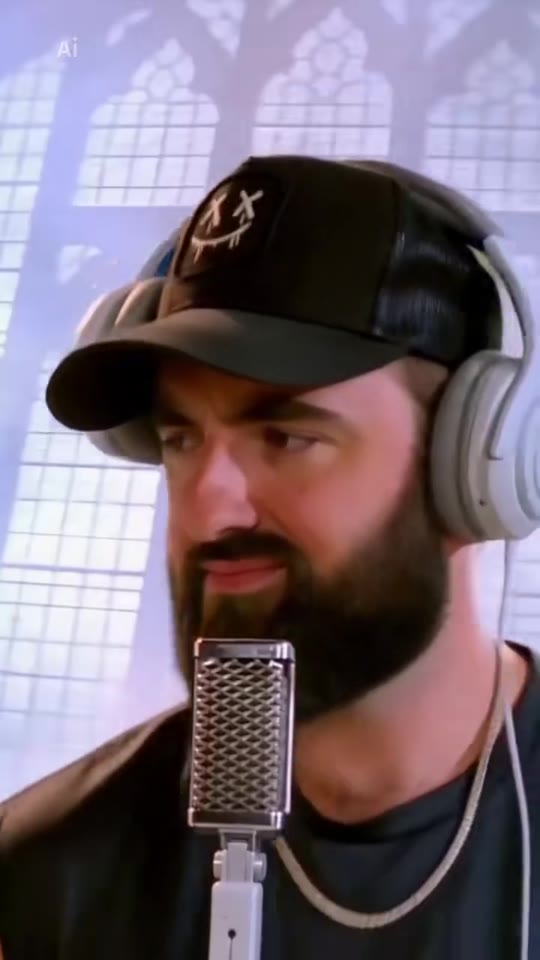
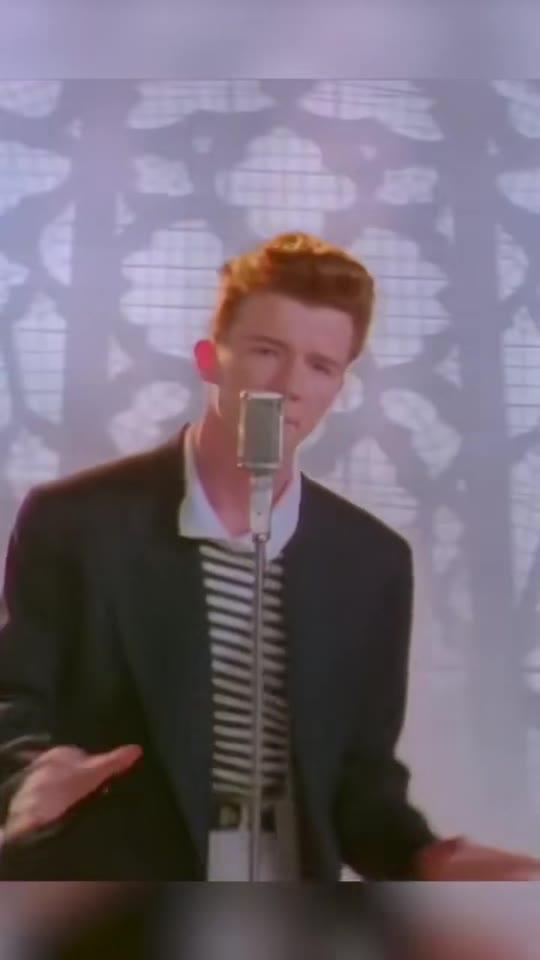
1Add your photo
What you'll get
Front-facing, well-lit selfies work best. One face per photo.
2Choose quality
Picked for this video: it has several people or many cuts, and this model keeps every face steady.
By generating you confirm you have permission to use the people in your photos. Terms
No subscription needed · Ready in 4–6 minutes · Failed renders are free
Rick Roll AI is a 2026 TikTok trend that recasts the first 7 seconds of Rick Astley's 1987 Never Gonna Give You Up video with someone else; on videosi you upload one photo and the singer becomes you.
- Fast facts
- First seen
- Stage
- Just starting
- Started on
- TikTok (unconfirmed)
- Sound
- Never Gonna Give You Up — Rick Astley
- Meaning
- Rick Roll AI is the Rickroll prank rebuilt with AI: the singer in the first 7 seconds of Rick Astley's 1987 Never Gonna Give You Up video is swapped for the person in your photo, in the same studio, steps and shots.
- Related trends
- AI Dance, AI Rap Video, AI Sway Dance
Page updates
- November 7, 2026 — Page published.
The Rick Roll AI prompt and model
Rick Roll AI is made with Seedance 2.0 / 2.5 (you pick the tier) by ByteDance. The prompt behind it has 5 parts, and the timing is what makes or breaks it.
- Model
- Seedance 2.0 / 2.5 (you pick the tier)
- Mode
- Photo + motion reference to video
- Length
- 7 seconds, 9:16, 1:1 or 16:9
- Input
- 1 photo
- Identity lock Your photo is the only source for face, hair, skin tone and outfit; nothing of the original singer is kept.
- Motion reference The 1987 video's first seven seconds supply the shot order, the camera moves, the foot taps and the dance steps.
- Studio A white studio with arched windows, one chrome microphone and soft light, kept from the original shots.
- Timeline Five beats over 7 seconds, from the close-up to the fist pump.
- Rules No extra people, no lip-sync requirement, no text or logos, face shape kept in the close-ups.
Replace the young man with swept-up auburn hair, a navy blazer and a striped shirt in Video 1 with the person from Image 1. Keep everything else…
Why it goes wrong when you do it yourself
- Typing "Rick Astley dancing" into a general video model gives you a look-alike of the singer, not you, and many tools block the name.
- Without a motion reference the shots drift: you get one long wide shot instead of the quick close-ups, foot taps and fist pumps.
- Close-ups are where faces change: the model pulls your face toward the singer's unless the identity lock comes first.
- Each attempt costs credits and minutes, and the shot order only comes out right after several tries.
More videos from this trend
Trend inspiration · not a selectable template
How to make your Rick Roll AI video
Upload one photo of yourself
Face the camera, head and shoulders in frame, even light. The outfit in the photo is the outfit you dance in.
Pick the format
Choose 9:16 for TikTok, Reels and Shorts, or 1:1 or 16:9. There is no prompt and nothing else to set.
Generate and download
Press Generate. On the Standard model at 720p the 7-second clip costs 10 credits and comes back as an MP4 with no watermark and the trend sound already on it.
Post it, with the AI label
Post it with your own caption. The sound is already on the video; if your app has its own licensed version of the song, you can swap to it. Label the clip as AI-generated.
What is the Rick Roll AI trend?
Updated · videosi is an independent tool. It is not affiliated with TikTok, Instagram, YouTube, or with the owners of any trend, song, game or brand named on its pages.
Rick Roll AI is the Rickroll prank rebuilt with AI: the singer in the first 7 seconds of Rick Astley's 1987 "Never Gonna Give You Up" video is replaced by the person in a photo. To make your own, upload one front-facing photo on videosi, pick a format and press Generate. The studio, the shots and the dance are built in, so there is no prompt to write.
The classic Rickroll, which dates to 2007, hides the music video behind a link that promises something else. The AI version keeps the opening of the video, the white studio with arched windows, the chrome microphone, the tapping shoes and the fist-pump dance, and changes only who is dancing.
AI recasts of the video began to appear on TikTok in August 2026 (the earliest clip we found is from 15 August) and became more common in October 2026. Creators cast cartoon villains, sitcom characters, friends and themselves, usually with the original track and a caption such as "you just got Rick rolled". We could not identify one original post, so the exact start date is unconfirmed.
A related but different format is the CapCut template Rick Roll Prank, which shows about 612,000 uses on its CapCut page and works with clips you already have. As of November 2026 the AI recast is still an emerging trend, with far fewer posts than the plain Rickroll.
The song stays on the video as the trend sound. Rick Astley's recording is under copyright, so post it where the platform licenses the track and label the clip as AI-generated.
Rick Roll AI: shot by shot
- 0-0.8 s
Close-up at the mic
A tight close-up of your head beside the chrome microphone, eyes down, as the intro starts.
- 0.8-2 s
First steps
A medium shot of you at the mic, then a close-up of shoes tapping on the white studio floor.
- 2-4 s
Side-to-side sway
Medium shots, a small step to the side and a relaxed sway in front of the arched windows.
- 4-5.5 s
Head bob
Another close-up with your head dipping and bobbing next to the microphone.
- 5.5-7 s
Fist pump
Back to medium shots: the arms swing and the fists pump, the signature move of the clip.
Tips for a better result
Face the camera
A straight, front-facing photo works best, because the video opens on two close-ups.
Show your hair and shoulders
The shots start at the head and go down to the feet. A head-and-shoulders photo gives the model your real hairline and collar.
Clear, even light
Soft daylight beats a dark or grainy shot; hard shadows on the face tend to show up in the close-ups.
No sunglasses or hats
Clear glasses are fine. Sunglasses, caps and masks hide exactly what the close-ups are about.
Good to know before you make a Rick Roll AI video
- The song is already on the video, but the person does not lip-sync it. The mouth moves naturally.
- The clip covers only the first 7 seconds of the 1987 video, in the white studio. The rest of the video and its other locations are not included.
- Likeness is not guaranteed, and it drifts most in the close-ups and when your head turns.
- Only adults: photos of babies, children and minors are not accepted. A failed, timed-out or blocked render returns its credits automatically.
Rick Roll AI: questions
What is the Rick Roll AI trend?
The Rick Roll AI trend is a TikTok format from August 2026 in which AI swaps the singer in the first 7 seconds of Rick Astley's 1987 Never Gonna Give You Up video for someone else. The white studio, the chrome mic and the dance stay the same. It became more common in October 2026, and on videosi you make your own version from one photo.
How do I make a Rick Roll AI video with my own photo?
To make a Rick Roll AI video, upload one front-facing photo to videosi, pick 9:16, 1:1 or 16:9 and press Generate; the result is a 7-second MP4. You write no prompt, because the studio, the shot order and the dance steps are built in. The trend sound is already on the clip, and a failed render returns its credits.
Is there a Rick Roll AI generator online?
Yes, videosi (videosi.io) is a web Rick Roll AI generator that turns one photo into the 7-second Never Gonna Give You Up dance, with nothing to install. A video on the Standard model at 720p costs 10 credits and has no watermark. You choose only the photo and the format; the motion comes from the original 1987 clip.
Is there a Rick Roll AI filter on TikTok or CapCut?
As of November 2026 we could not verify an official Rick Roll AI filter on TikTok, and effects change often, so check the app. CapCut has a template called Rick Roll Prank with about 612,000 uses on its CapCut page, but it edits clips you already have. videosi is independent, not affiliated with TikTok or CapCut, and builds a new 7-second video from one photo.
What does Rick Roll mean?
Rickrolling is an internet prank from 2007 in which a link that promises something else plays Rick Astley's 1987 music video "Never Gonna Give You Up". Everyone who clicks knows the joke within a second. Rick Roll AI is the 2026 twist: instead of sending the video, you put a new face into its opening dance, and videosi makes that 7-second clip from one photo.
What song is used in the Rick Roll AI trend?
The Rick Roll AI trend uses "Never Gonna Give You Up" by Rick Astley, a song released in 1987. The videosi clip is 7 seconds long and comes with that track already on it, so you do not add the sound yourself. The recording is under copyright, so post it where your platform licenses the track and label the clip as AI-generated.
Is the Rick Roll AI trend still trending?
As of November 2026 the Rick Roll AI trend is still emerging: the first AI recasts on TikTok date from August 2026, and more appeared in October 2026. There are still far fewer of them than plain Rickroll videos, and we could not identify one original post. videosi lets you post your own 7-second version before the format gets crowded.
What AI model makes the Rick Roll AI video?
The videosi Rick Roll AI video is made with ByteDance's Seedance model, Seedance 2.0 Mini by default, from your photo plus a 7-second motion reference cut from the 1987 video. Fast, Pro and Seedance 2.5 Ultra tiers are one click away and cost more. The prompt is built in and not published, because the shot order depends on the reference clip.
How much does a Rick Roll AI video cost?
A 7-second Rick Roll AI video on videosi costs 10 credits on the Standard model at 720p; better models and higher resolutions cost more. The Single pack is $6.90 for 10 credits, which covers one standard video, pack credits never expire, and plans start at $29.90 a month. Every video is paid with credits, and a failed render returns them.
Why doesn't my Rick Roll AI video look like me?
A Rick Roll AI video usually drifts from your face because of the photo: sunglasses, a cap, a side angle or a dark, grainy shot. The 7-second videosi clip opens on a tight close-up and has two close-ups in five beats, so a clear face matters most. Use one front-facing photo, head and shoulders, in soft light; likeness is still not guaranteed.
Can I make a Rick Roll AI video of a friend or my pet?
You can make a Rick Roll AI video of a friend if they are an adult and have agreed; videosi does not accept photos of babies, children or minors. Pets are unconfirmed: the 7-second motion was made for a person, and we have not tested how pet photos come out. Label any clip as AI-generated when you post it.
Can I make a Rick Roll AI video with ChatGPT, Sora, Veo or Kling?
You can try, but the Rick Roll AI look depends on a 7-second motion reference from the 1987 video, which most chat apps do not take. Without it, general video models invent their own shots instead of the close-ups, foot taps and fist pumps. videosi runs Seedance with the reference built in, for 10 credits per standard 720p video.
Trending this week
All trends this week
Make your Rick Roll AI video
Upload a photo and press Generate. 10 credits, refunded if it fails.
Get the next trend first
One email when new trends land on videosi, about once a week. Unsubscribe in one click.
See videosi first on Google
Add videosi as a preferred source and our trend pages show up first in your Top Stories and AI answers on Google.