Age Filter AI: The Aging Video, Starring You
Numbers fly onto your face and you jump forward in time: you now, 20 years on, then old. One photo is all it takes.
Updated : Page published.
1Add your photo
What you'll get
Front-facing, well-lit selfies work best. One face per photo.
2Oldest age (optional)
60 to 100, older than you are now. It is the last number on the video and the age of the final stage. Leave empty for 80.
3Choose quality
By generating you confirm you have permission to use the people in your photos. Terms
No subscription needed · Ready in about 3 minutes · Failed renders are free
The AI age transformation is a 7-second aging clip in which numbers fly onto your face and cut you to an older age each time, ending as a very old you, and videosi makes it from one photo of you.
- Fast facts
- First seen
- Stage
- Past its peak
- Started on
- TikTok (unconfirmed)
- Sound
- Template posts use a short "original sound" from the template account; title and artist not confirmed.
- Meaning
- The AI age transformation trend is a TikTok and CapCut effect in which numbers fly onto a person's face and cut them to older ages, ending as a very old version of themselves.
Page updates
- November 3, 2026 — Page published.
The Age Filter AI prompt and model
Age Filter AI is made with Seedance 2.0 / 2.5 (you pick the tier) by ByteDance. The prompt behind it has 5 parts, and the timing is what makes or breaks it.
- Model
- Seedance 2.0 / 2.5 (you pick the tier)
- Mode
- Photo + motion reference to video
- Length
- 7 seconds, 9:16, 1:1 or 16:9
- Input
- 1 photo
- Identity lock Your photo is the only source for the face shape, skin tone, hair and clothes, kept through every age stage.
- Motion reference A 7-second clip from the trend gives the framing, the flying numbers and the two hard cuts.
- Age steps Three stages: you as you are, about 20 years older, then the final age with grey hair and deep wrinkles.
- Numbers The column reads +20 and your final age, 80 when you leave it empty; the reference caption is removed.
- Rules One adult, never younger than the photo, no reshaped face, no other text or watermark; silent, the trend sound is added after.
Replace the young man with wet blond hair and a black T-shirt in Video 1 with the person from Image 1, and age that person instead of him.…
Why it goes wrong when you do it yourself
- Without a motion reference the model morphs slowly instead of cutting, and the flying-number beat is lost.
- Asking only for an "older" face lets the reference person's face, eye patch or red skin leak into the old stage.
- Age numbers drawn by AI can come out wrong unless the prompt names the exact digits and where they go.
- Strong aging slims or reshapes faces toward the reference unless the prompt locks the face shape of your photo.
Age Filter AI examples
How to make your Age Filter AI video
Upload one photo of yourself
Head and shoulders, face straight to the camera, even light, no sunglasses. The clothes and background in the photo stay in the video.
Type the oldest age (optional)
Any whole number from 60 to 100. It becomes the last number on screen and the age of the final stage. Leave it empty for 80.
Generate and download
Pick the format and press Generate. The 7-second MP4 arrives with the trend's original sound and no watermark.
Post it
Share it on TikTok, Reels or Shorts and ask your friends whether you aged well. Tag it as AI-generated.
What is the Age Filter AI trend?
Updated · videosi is an independent tool. It is not affiliated with TikTok, Instagram, YouTube, or with the owners of any trend, song, game or brand named on its pages.
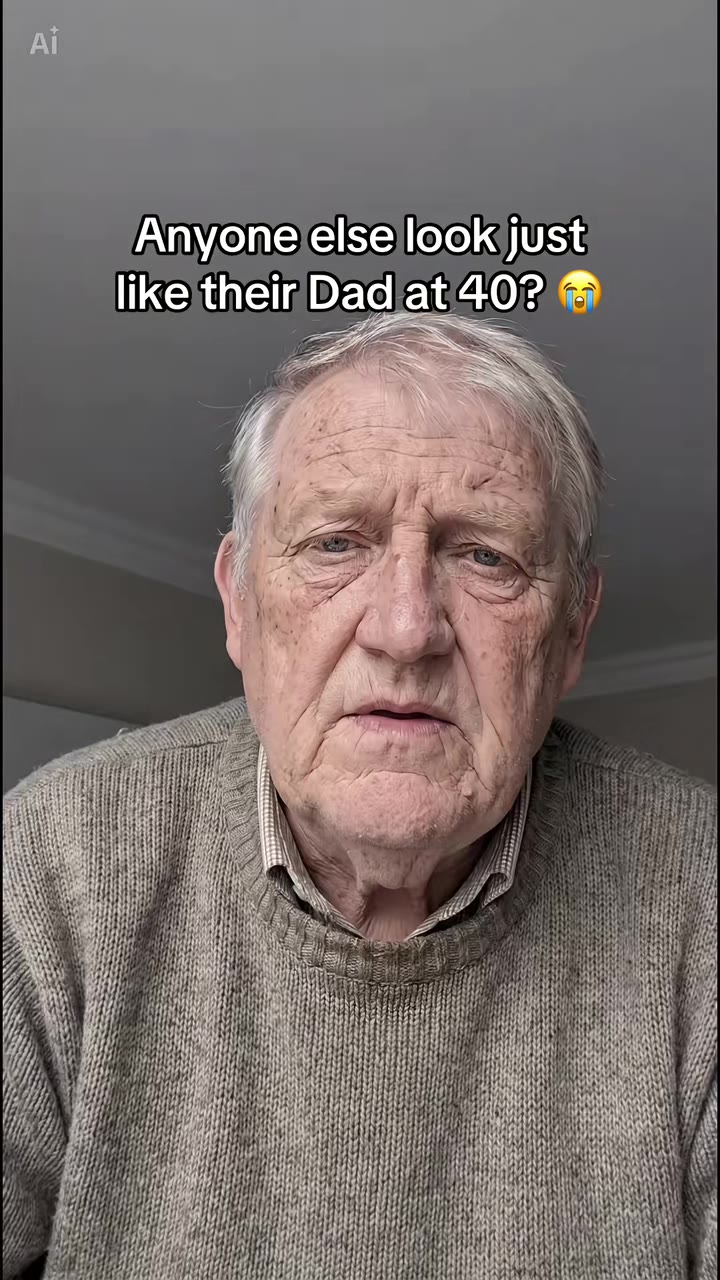
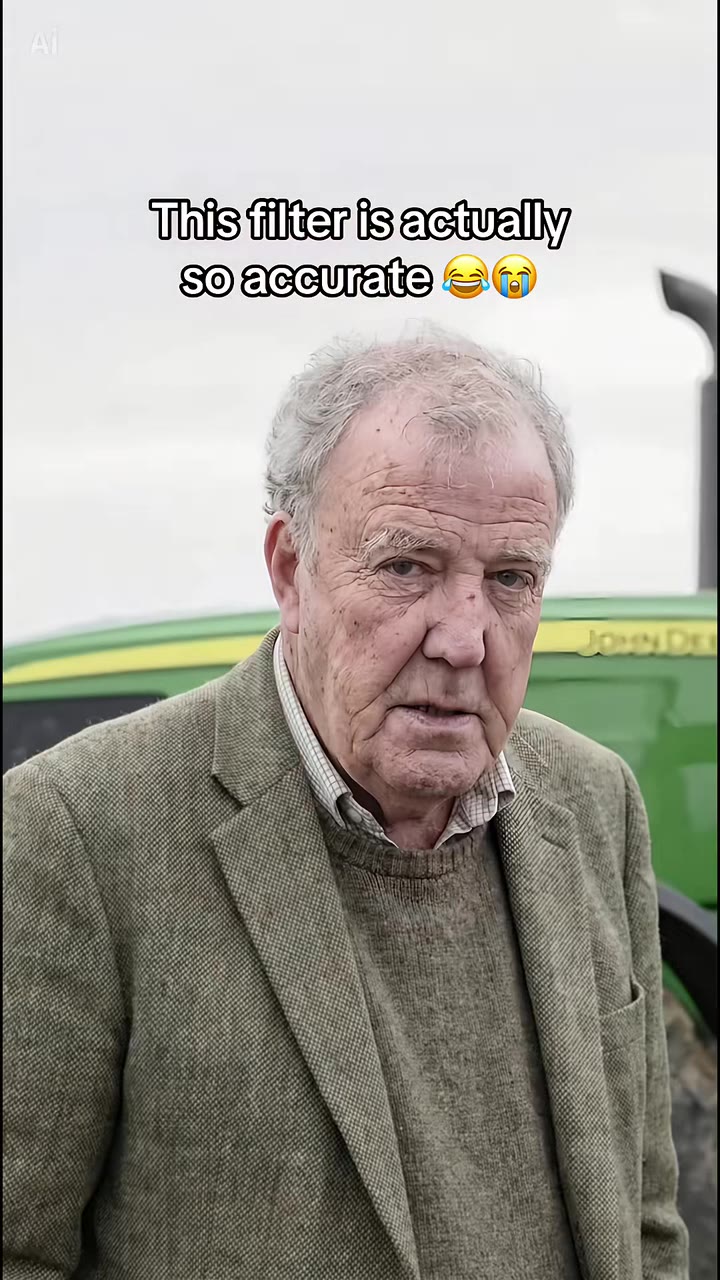
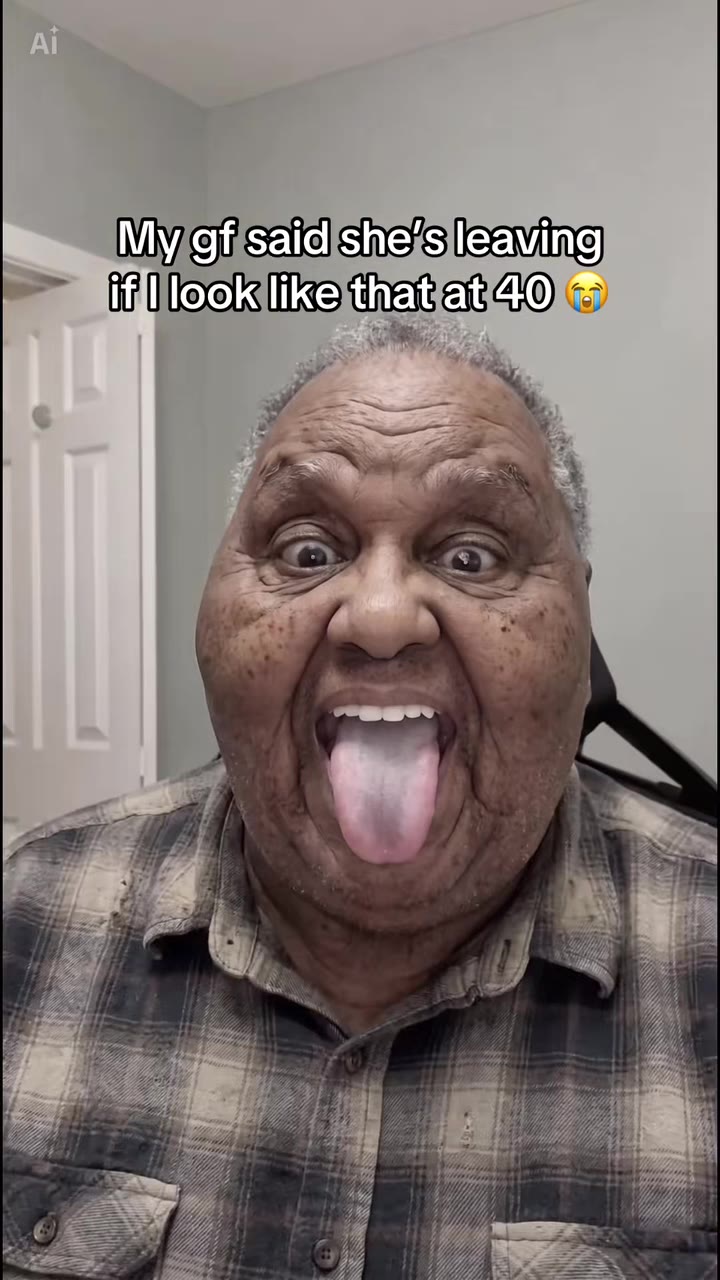
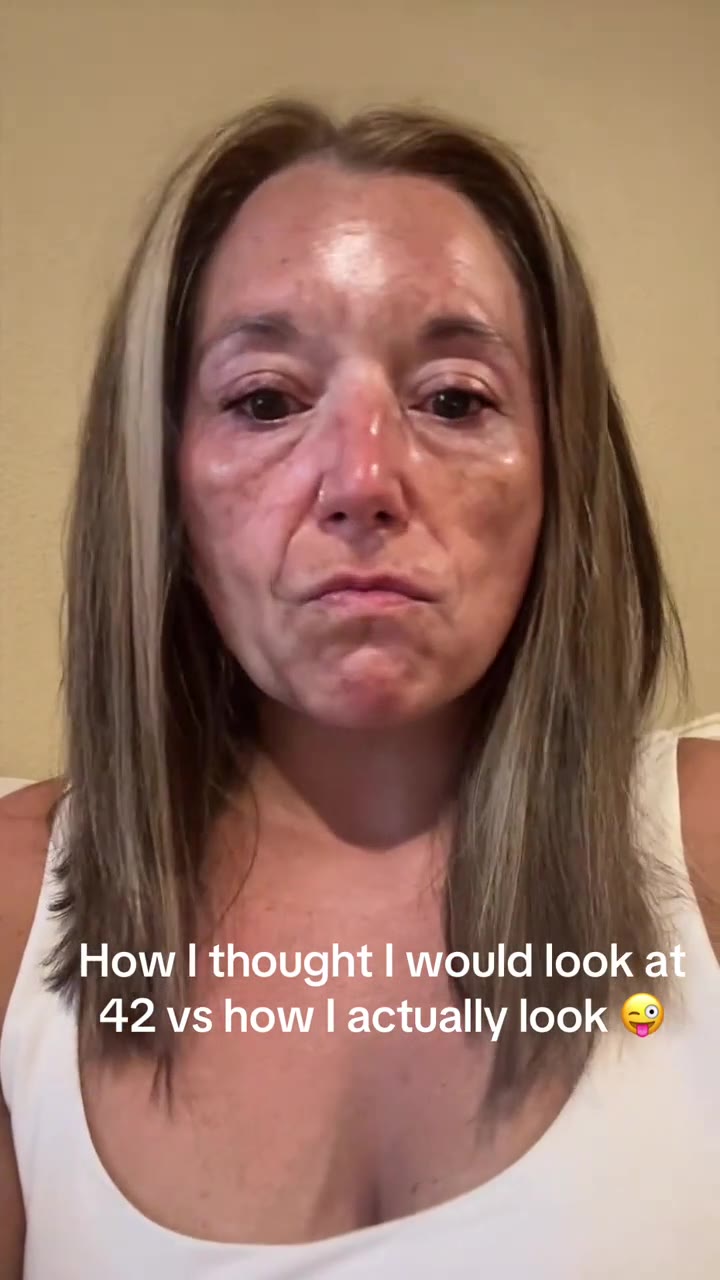
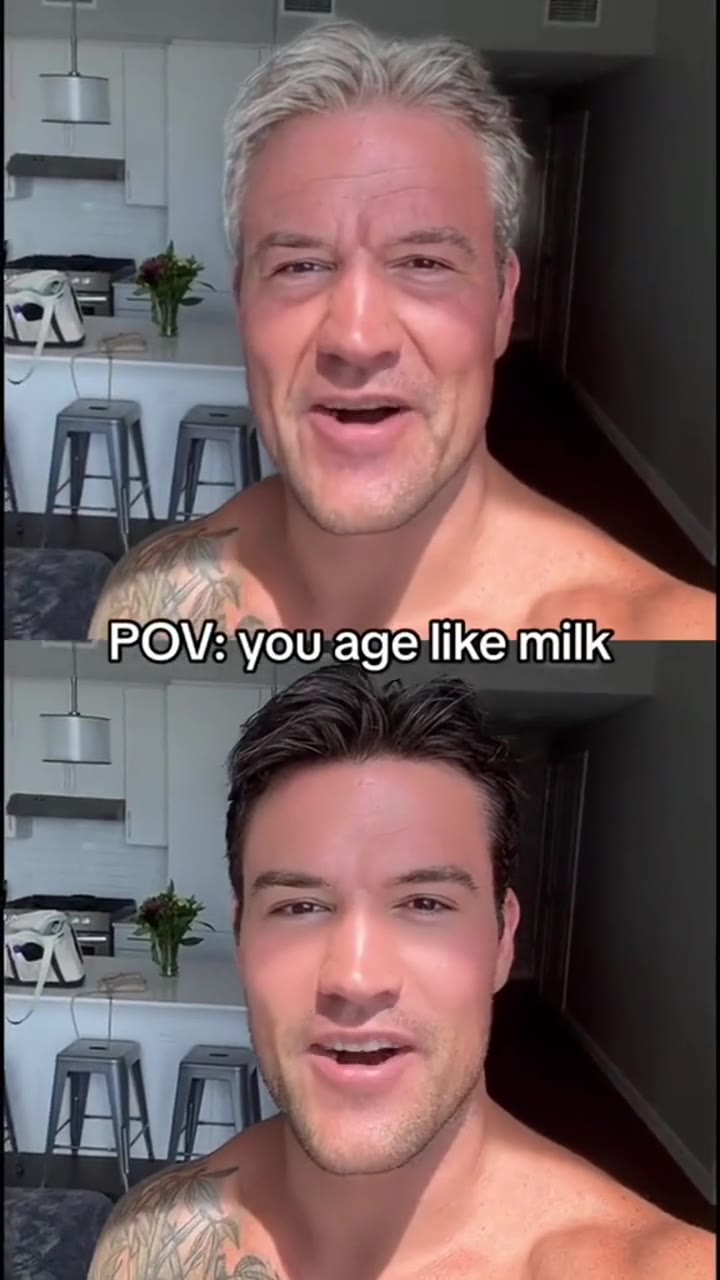
The AI age transformation is a short vertical clip that shows what you will look like when you are old. A column of numbers sits at the left of the frame; one number flies onto your face, the clip cuts and you are that age, then the next number flies in. The most-copied version ends on an 80-year-old with grey hair, deep wrinkles and age spots.
Aging effects keep coming back on TikTok. A real-time "Aged" filter went viral in July 2023, with stitches of people reacting to their older selves. The 2026 wave runs on a CapCut template posted as the "Aging AI filter trend": its best-known post, from August 2026, passed 2 million views, and the same template account kept posting through October. The radar picked it up again in late October 2026, already past its peak, alongside aging photo apps climbing the charts in Japan.
The template starts with the person as a 4-year-old and a 12-year-old before moving to 21, 40 and 80. videosi keeps only the aging half: your photo as you are now, about 20 years older, then the oldest age you choose (80 if you leave it empty). Your face shape, hairstyle and clothes come from your photo; only the age changes.
The clip is 7 seconds long and comes with the template's original sound. Nobody is shown younger than in the photo you upload.
Age Filter AI: shot by shot
- 0–1 s
You, now
Head and shoulders, still camera, exactly as in your photo. The age numbers wait in a column on the left.
- 1–2.2 s
+20 flies in
The first number lifts off the column and lands on your face.
- 2.2–4.5 s
Twenty years on
Hard cut: the same you, about 20 years older, first lines and grey at the temples, while the last number starts to fly.
- 4.5–7 s
The old you
Hard cut to the final age, 80 or the age you typed: white or grey hair, deep wrinkles, age spots, same clothes.
Tips for a better result
Face the camera
A straight-on face keeps your eyes and nose recognisable when wrinkles and grey hair are added.
One person only
Crop out other people; the clip has one face and only your photo is aged.
Show your hair
Hair greying is a big part of the effect, so keep hats and hoods off.
Use a recent, sharp photo
The first stage is you as you are now, so a current, in-focus photo makes the jump to old age read clearly.
Good to know before you make a Age Filter AI video
- This page only ages people forward. There are no child or teenage stages, and nobody is shown younger than in your photo. Upload photos of adults only.
- The old you is an AI guess, not a medical or genetic prediction. Likeness drifts most at the final age.
- The numbers on the video are drawn by AI and have not been tested on this page yet, so check them before posting.
- The MP4 comes with the trend's original sound. A failed or timed-out render returns its credits automatically.
Age Filter AI: questions
What is the AI age transformation trend?
The AI age transformation trend is a short clip in which a column of numbers flies onto your face and each number turns you into that age, ending as a very old version of you; videosi makes a 7-second aging version from one photo. It spread on TikTok as the "Aging AI filter" CapCut template in summer 2026, with the best-known post above 2 million views by November.
How do I make an AI aging video of myself from one photo?
On videosi you upload one clear photo of yourself, optionally type the oldest age you want (60 to 100, default 80), and press Generate. The AI age transformation video is 7 seconds long and needs no prompt: the number column, the two cuts and the aging steps are built in. You see yourself now, about 20 years older, then at the age you typed.
Is there an AI age transformation website or app?
Yes, videosi is a website that turns one photo into the 7-second AI age transformation video in your browser, on phone or desktop, with no app to install. Phone apps such as FaceApp and CapCut templates do similar aging effects; videosi only makes the aging direction and adds the trend's original sound to the MP4.
Is there a TikTok aging filter or CapCut template for this?
The 2026 wave runs on a CapCut template named "Aging AI filter trend", and TikTok had a separate real-time "Aged" filter that went viral in July 2023. videosi is not either of them: it makes the same numbers-to-old-age clip from one photo with Seedance, so you need neither app nor a template link.
Can it make me younger, or show me as a child?
No. The videosi AI age transformation page only ages you forward, from the age in your photo to 60 to 100 years old. The CapCut template starts at ages 4 and 12; videosi leaves the child stages out on purpose and never shows anyone younger than in the uploaded photo.
What AI model and prompt does the aging video use?
The videosi AI age transformation clip runs on Seedance 2.0 or 2.5 by ByteDance, at the tier you pick. A written prompt replaces the person in a 7-second reference clip with you, keeps your face shape and clothes, and adds two age steps; the full prompt is not published, but the How it is made section shows its five parts.
How much does the AI age transformation video cost?
One 7-second AI age transformation video costs 10 credits on the Standard 720p tier at videosi, and the Single pack is $6.99 for 10 credits; higher tiers cost more and the price shows before you start. Credits never expire, and a render that fails returns its credits automatically.
Why does the old version of me not look like me?
On videosi, likeness in the AI age transformation clip depends mostly on the photo: one person, face straight to the camera, no sunglasses, even light. Heavy aging changes skin and hair by design, so the 80-year-old stage drifts most; a sharper, front-facing photo keeps the eyes, nose and face shape closest.
Can I use a photo of my parents, partner or a friend?
Yes, if you have their permission: the videosi AI age transformation works with any adult's photo, so couples often age each other for fun. Do not upload children; the page is for adults 18 and over, and the output never shows a younger age than the photo.
What does the number column in the aging trend mean?
In the AI age transformation trend each number in the left column is an age: when it flies onto the face, the person cuts to that age. The CapCut template uses 4, 12, 21, 40 and 80; the videosi version uses +20 and your chosen final age, 80 by default.
What sound is used in the aging AI filter trend?
The CapCut aging template posts use a short sound posted as "original sound" by the template account, and the videosi AI age transformation MP4 comes with that same audio already on it. The title and artist of the track are not confirmed, so this page does not name them.
Is the AI aging trend still trending?
As of November 2026 the AI age transformation trend that videosi recreates is fading: the CapCut "Aging AI filter" template peaked in August 2026 and new posts in October and November draw far fewer views. Aging videos come back in waves (the TikTok Aged filter in July 2023, the template in 2026), so the page stays up.
Trending this week
All trends this week




Make your Age Filter AI video
Upload a photo and press Generate. 10 credits, refunded if it fails.
Get the next trend first
One email when new trends land on videosi, about once a week. Unsubscribe in one click.
See videosi first on Google
Add videosi as a preferred source and our trend pages show up first in your Top Stories and AI answers on Google.