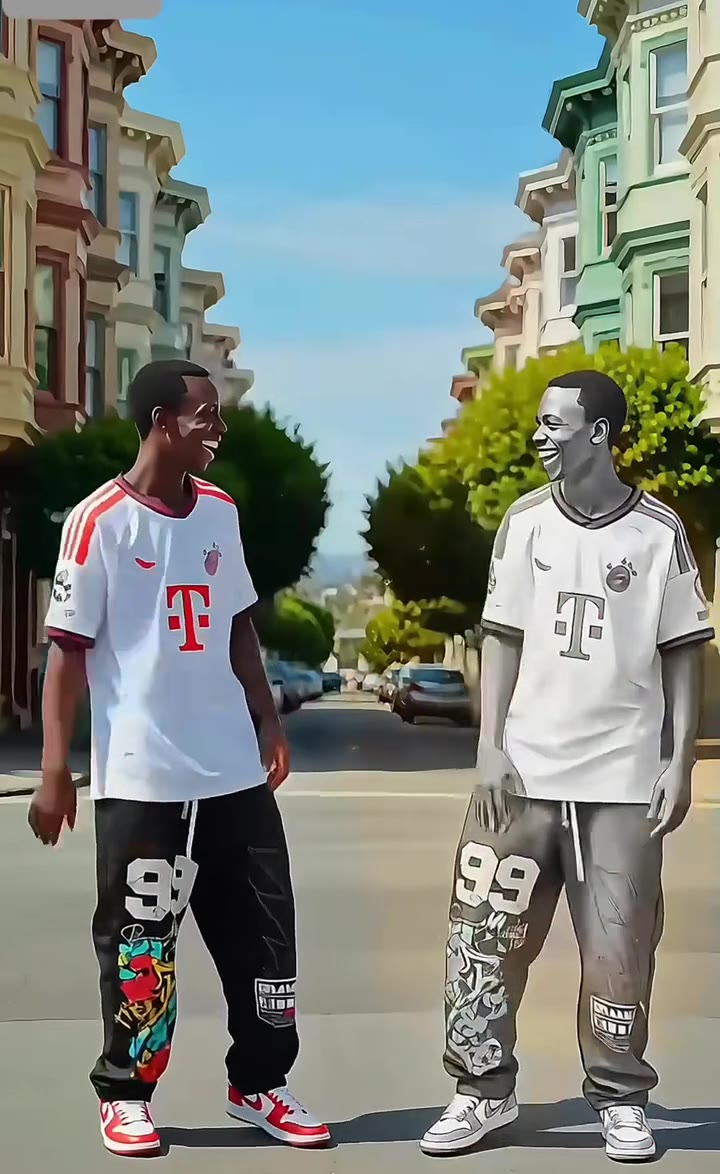
Yes, you can make the Simple Dimple dance with AI from one photo, and you get a 15 second video of you doing the routine with the trend sound on it. Simple Dimple AI on videosi.io copies the real timing of a top clip: claps, a lean, a look up and a hands-behind-back sway, in one fixed phone shot. This is the November 2026 TikTok dance set to "Simple Dimple, Pop It, Squish", not the pop-it fidget toy of the same name.
This guide goes deeper than the quick answers on the trend page. It covers how the routine is built, why babies appear in the trend, photo choice, sound and copyright, and how long it may last. You can go straight to the Simple Dimple AI page to try it.
Key takeaways
- The dance is a 15 second routine of claps, a forward lean and a hands-behind-back sway, and it is not the Simple Dimple toy.
- One clear, front-facing photo of an adult is enough, and a head-to-knees shot gives the best arms.
- Photos of children are not supported, so the AI baby versions cannot be made on videosi.
- The trend sound is copyrighted and not licensed to you, so swap in the platform's own copy when you post.
- Credit packs start at $8.90 for 10 credits, and Standard 720p at 15 s costs 13 credits.
In this guide
- Is the Simple Dimple dance the same as the toy?
- How is the 15 second routine built, move by move?
- Why does a dance this simple go viral?
- Why do AI baby versions appear, and why can't videosi make them?
- How do you pick the best photo?
- Which format and quality should you choose?
- What about the sound and copyright?
- How is this different from a CapCut template?
- What can go wrong, and what do you do about it?
- How long will the trend last?
Is the Simple Dimple dance the same as the toy?
No. The Simple Dimple is a pop-it style fidget toy that went viral on TikTok from 2021 to 2023. The 2026 dance only borrows the name through the jingle "Simple Dimple, Pop It, Squish", so the toy and the dance are two separate things that share a sound.
This matters for search and for expectations. If you type the name and expect a toy video, you will not get one here. The videosi page makes the dance: one person standing in a fixed phone shot doing small hand moves, a lean and a sway. The sound itself is older than the dance, because clips using it date back to at least November 2022.
How is the 15 second routine built, move by move?
The routine is six short blocks, and the page copies their timing from a real top clip. From 0 to 1 s you stand facing the camera with your hands low and start a small hand movement at your waist. From 1 to 3 s your hands come up to the chest in small claps and finger points, with a talky, animated face.
From 3 to 4 s both open palms lift to shoulder height in a little wave to the camera. From 4 to 6 s you drop forward from the waist, then stand up and look up and to the side. From 6 to 8 s there is a light step with loose arm swings while your face turns back to the lens.
The last block is the longest. From 8 to 15 s your hands go behind your back and you sway your head and shoulders from side to side, looking up and then at the camera until the end. Nearly half of the clip is that one calm sway, which is why the dance feels easy to copy.
Why does a dance this simple go viral?
The moves are small, the shot is fixed and the sound is short and catchy. Anyone can copy a clap and a sway in a hallway, so people post their own versions fast. The earliest dated clip we found was posted on 8 November 2026 and had about 8 million views by 18 November.
The routine then spread to new rooms and new people, and from 14 November CapCut tutorial posts called it a magical dance AI effect. Our radar flagged it as budding on 14 November 2026, and we mark the stage as spreading. We have not confirmed who posted the very first version, so we do not credit anyone by name.
Why do AI baby versions appear, and why can't videosi make them?
Part of the spread came from AI videos of babies and toddlers copying the moves, and those clips went past 300,000 views. A baby doing a hands-behind-the-back sway is a funny, shareable contrast, so the format took off with parents and AI creators alike.
videosi does not support photos of children. The page is built for one adult person, and uploads of children are not accepted, so those baby versions cannot be made here. Pets are not tuned either. If you want to join the trend, use a photo of yourself or of an adult friend who has agreed to it.
How do you pick the best photo?
Think about what the dance shows. Most of it is hands at the chest and hands behind the back, so the model needs to see your arms. A standing photo from head to knees, facing the camera with room around you, gives it your real arms and posture.
A cropped selfie leaves the model to invent arms and hands, and they can blur during the claps. Keep the face clear, with no sunglasses, masks or hats over the eyes, and even light. Only you should be in the picture, because a group photo leaves the model unsure who to use. Your background does not matter, because the video keeps the stairwell from the top clip.
Which format and quality should you choose?
You can pick 9:16 for TikTok, Reels and Shorts, or 1:1 or 16:9. The length is 15 seconds in every case. Vertical 9:16 matches how the original clips were filmed, so it is the natural choice for posting.
Credit packs start at $8.90 for 10 credits, and Standard 720p at 15 s costs 13 credits. The price for your chosen quality is shown before you generate. The render uses ByteDance's Seedance, with the tier chosen by you.
What about the sound and copyright?
The trend sound is added to your finished video, so you get an MP4 that already plays the jingle. That does not mean it is licensed to you. TikTok labels the sound "Smiple dimple pop it squish", we could not confirm the artist or the rights holder, and you should treat it as copyrighted music.
In practice, on TikTok the safest route is to swap in the platform's own copy of the sound when you post. On YouTube or Instagram a claim, mute or block can happen, and commercial use needs a licence. Label the clip as AI-generated wherever you share it.
How is this different from a CapCut template?
videosi is a separate web tool and is not affiliated with TikTok or CapCut. A template animates your photo inside a fixed layout, and the result is only as good as that layout. We could not confirm an official TikTok filter for this dance.
On videosi the model renders a new 15 second video of you doing the routine, and the moves and timing come from a real top clip rather than from a layout. You do not need to open the TikTok app or CapCut, and you do not write a prompt.
What can go wrong, and what do you do about it?
Fast hand claps can blur fingers, and a likeness is not guaranteed. The common causes of a bad result are a face hidden by sunglasses or a hat, a group photo and a cropped selfie. Trying another photo usually fixes it.
If a render fails, times out or is blocked, the credits are returned automatically. Without a motion reference, general video models also tend to invent a generic dance and lose the claps, the lean and the sway, which is why the page works from a real clip.
How long will the trend last?
Nobody can say for sure. At the time of writing the routine is about 10 days old, and the sound has been around since 2022, which shows that a jingle can outlive a single dance. Many short dance trends fade within weeks once the clips start to repeat.
The moves here are easy, which helps new versions keep coming, and the AI baby and CapCut posts show the trend moving into a second wave. We will update the trend page if it fades, so check the changelog there before you plan a post around it.
If you mostly like the hands-behind-back sway, the AI sway dance makes a 5 second sway in your own setting, and AI dance has 3 other dance styles.
Ready to try it? Open Simple Dimple AI, upload one photo and generate your clip.