Ice Ice Baby AI is the Ice Ice Baby dance trend made with AI: a 12 second video in which two people shuffle side by side to Vanilla Ice's 1990 hit "Ice Ice Baby", made from one or two photos instead of a camera. To star in it, upload one photo of yourself on the Ice Ice Baby AI page (add a second photo for your own partner); the trend has only just started spreading as of November 2026.
Key takeaways
- The reference clip was posted on 1 November 2026 and has about 4.2 million views; CapCut tutorials reach about 436,000.
- The routine is side steps, hand waves, a stop with one palm raised and knee lifts, on a wet outdoor court.
- One photo of you is enough; a second photo of an adult who agreed adds a partner.
- A standard 12 second video is 10 credits, packs start at $8.90, and failed renders return credits.
- There is no lip-sync, and likeness and platform audio rights are not guaranteed.
In this guide
- How do the Ice Ice Baby dance steps break down?
- Why is the trend set on a wet basketball court?
- Where did the trend come from, and how big is it?
- How do two people line up in one render?
- How should I pick the photo?
- Why can a face drift during the dance?
- What about consent and AI labels?
- What happens with the song and platform muting?
- How is this different from making it in Sora, Veo or Kling?
- What does one video cost?
- Is the trend going to last?
How do the Ice Ice Baby dance steps break down?
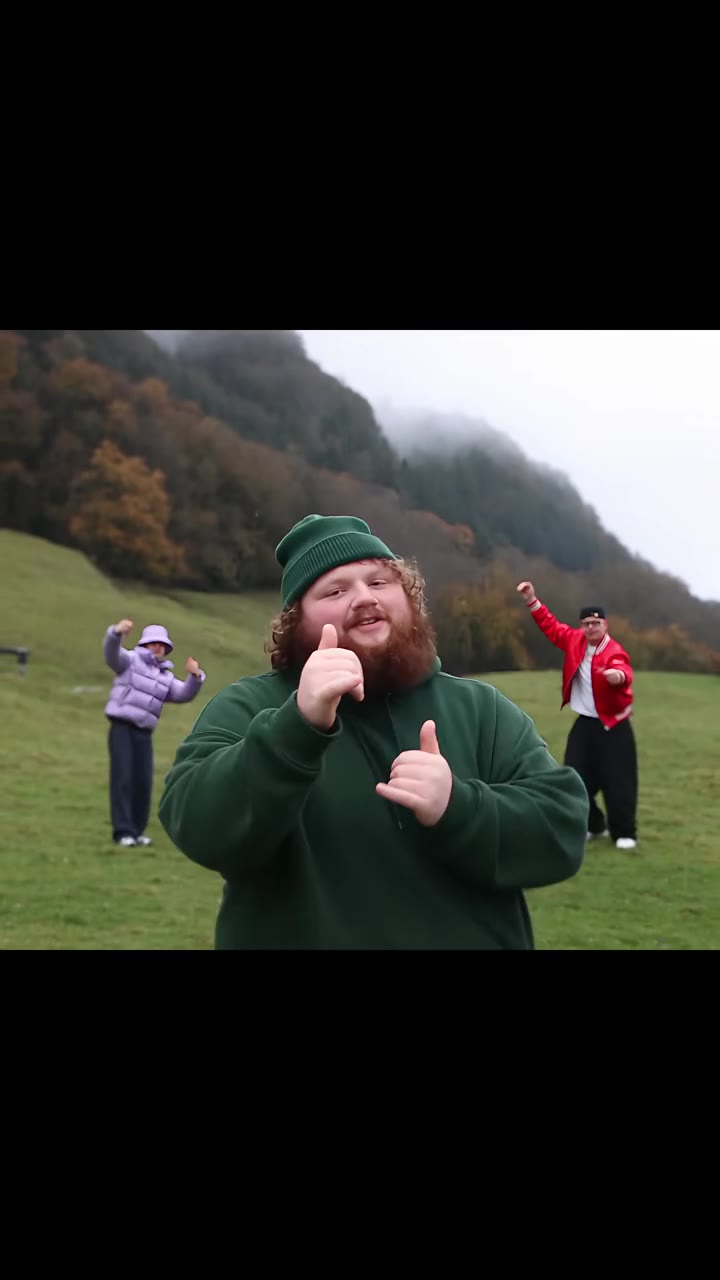
The routine is four short blocks over 12 seconds, filmed full body from a fixed low camera, so every step is visible. From 0 to 3 seconds both dancers shuffle a little apart with small side steps and loose hand waves. From 3 to 6 seconds they step toward the camera on the beat with shoulders loose and hands swinging at waist height.
The signature moment comes around the 6 second mark: both freeze square to the camera with one palm raised, then pick the rhythm up again. The last 3 seconds speed up and end on quick knee lifts, side by side. Nothing in it needs a studio or training, which is a big part of why people copied it so fast. The Ice Ice Baby AI page keeps this exact timing and only swaps who is dancing.
Why is the trend set on a wet basketball court?
Nobody has confirmed a reason, and we will not invent one. What we can say is what the clips share: an empty outdoor court with a hoop, bare trees, wet ground and a low camera. That scene gives the dance a plain, slightly cold backdrop, so the two figures and their footwork are the only thing moving. The wet surface also catches reflections, which makes the shuffle look glossy.
The scene became the trend's trademark. Copies kept the court even when they changed the dancers into footballers, armored wolves or friends in a living room, so the court is how viewers recognise the format at a glance. On videosi the court stays as in the reference clip, because changing it would make the clip look like a different trend.
Where did the trend come from, and how big is it?
The clip we use as the motion reference was posted on 1 November 2026 on TikTok, in a series of AI-generated dance clips from one account, and has about 4.2 million views. CapCut tutorials of the "Ice Baby dance" appeared from 7 November, and the most-viewed of them reached about 436,000 views. We could not confirm a single first post, so we do not claim one.
The song is "Ice Ice Baby" by Vanilla Ice, released in 1990, and TikTok lists it on several of these posts. A 36 year old hit coming back as a dance sound is not unusual, but this wave has only just started spreading, so every number here is a snapshot and may move.
How do two people line up in one render?
The reference clip has two dancers side by side, and each one is replaced separately. Photo 1 is you and replaces the dancer on one side. Photo 2 is optional and replaces the dancer on the other side. The form labels which photo is which, so read the labels before you upload.
If you leave the second photo empty, the other dancer is an ordinary adult stranger in plain clothes, with no costume, bucket or wig. That is deliberate: it keeps the focus on you and avoids anyone borrowing a face you did not choose. Both photos are treated as the only source for that dancer's face, hair, build and clothes in every frame, so two clear photos work better than one blurry group shot. The Ice Ice Baby AI page shows the upload slots and the three formats, 9:16, 1:1 and 16:9.
How should I pick the photo?
Choose one clear, well-lit photo per person, ideally full body, with the face large enough to read. The dance is all footwork, so a photo that shows your shoes and clothes helps the model keep them steady. Plain light, a neutral background and no heavy filter give it the most to hold on to.
What hurts: a tiny face in a crowd, sunglasses, a hat pulled low, or a photo with beauty filters that changed your features. Do not upload a photo of a child, a celebrity or anyone who has not said yes. If you want a look from another version, such as armor, use a photo of yourself already wearing it. The video never adds the bucket or the logo T-shirts of the original dancers.
Why can a face drift during the dance?
The steps are quick and the camera is far enough away that faces are small. Side steps, a sudden freeze and knee lifts all change the angle of the head, and a video model has to redraw the face in every frame. When the face is a small part of the image, small errors become visible as a slightly different nose, jaw or hairline halfway through the clip.
Likeness is not guaranteed, and we say so on the page. You can improve the odds with a sharper, closer photo, a plain background and a second try. A failed, timed-out or blocked render returns its credits automatically, so a bad draw does not cost you a pack.
What about consent and AI labels?
Only upload photos of adults who agreed to appear, and that includes the friend in Photo 2. The video shows two adults dancing side by side, never a hug or a kiss, and no celebrity face should appear. If a partner would not be happy to see the clip online, do not make it.
Where the platform asks, mark the post as AI-generated. TikTok, Instagram and YouTube all have AI content labels, and the original trend clips carry one. Using it protects your account and tells viewers what they are watching. videosi is not affiliated with Vanilla Ice or the song's rights holders, and the Ice Ice Baby AI page says so too.
What happens with the song and platform muting?
Your video comes with the trend sound, about 12 seconds taken from our reference clip, so you do not have to find the audio. There is no lip-sync: the mouths do not follow the words, which keeps the clip honest and avoids a weak match.
The track is a commercial song. A platform may mute it, limit where the video can be posted, or ask you to pick the sound from its own library instead. If that happens, download the video and add the sound inside the app you post from. Personal sharing is the use this page is built for. If you plan to run it as an ad or sell it, check the licence yourself first.
How is this different from making it in Sora, Veo or Kling?
You can try. The difference is the input. A text prompt such as "two men dance to Ice Ice Baby" gives generic moves, not the shuffle of the trend, and the face from a photo often drifts. There is also the work of finding the right wording, which costs tries.
videosi starts from a real 12 second clip of the dance as a motion reference and your photo for the face, so the steps, the stop with the palm raised and the knee lifts come from the trend, and the model only has to place you in them. The page runs on Seedance 2.0 or 2.5 from ByteDance, and you pick the tier. We do not publish the full prompt; the How it is made section on the trend page lists its five parts.
What does one video cost?
It is not free: there is no free generation and no free trial. A standard 12 second video (Standard model, 720p) is 10 credits. Credit packs start at $8.90 for 10 credits, and credits do not expire, so you can keep them for the next trend. Better models and higher resolutions cost more.
A failed render returns its credits automatically. That makes the practical cost of a test one clip for most people, and a second try only if the first face is off.
Is the trend going to last?
Nobody knows yet. As of November 2026 it has only just started spreading: one reference clip with about 4.2 million views, and tutorials in the following week. That is an early signal, not a proven wave. Dance sounds that return from older hits can fade within weeks, or they can become a reusable format.
Our rule is simple: build early, then watch. The page is listed as emerging and updated as it grows. If you want to join, sooner is better, and the Ice Ice Baby AI page takes one photo and a few minutes.