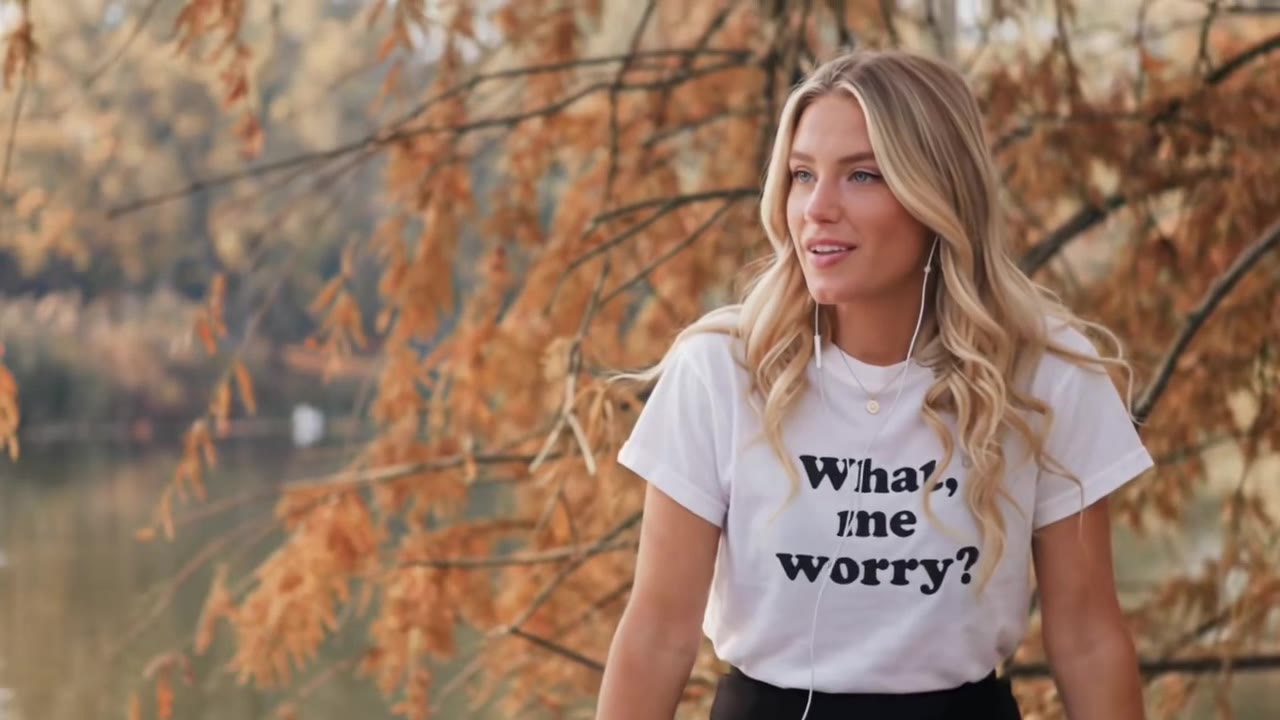
The Chaos Trend AI video, which AI template sites now also call sidewalk collision, is a 10-second video in which a stranger bumps into a person on a busy street and their coffee, sunglasses and phone fly into slow-motion close-ups. On videosi it is made from one photo of you. This guide answers the questions the trend page does not: why the video slows down, how the objects are chosen, what the AI label means and which photo to use.
Key takeaways
- The clip has six beats: a low walk, a stroll with props, the bump, slow-motion close-ups, a hanging moment and the fall.
- Plain objects with no logos are what keep the close-ups readable.
- One sharp, single-person photo with face and shoulders gives the best likeness.
- A 10-second Standard 720p video costs 9 credits, and a failed render returns its credits.
- Label the video as AI when you post it.
In this guide
- What is the Chaos Trend, and why is it also called sidewalk collision?
- Why does the clip switch to slow motion?
- How should I think about the objects that fly?
- Does the place change the result, or only the background?
- Which photo works best for this trend?
- Why does the stranger never show a face?
- Why does a motion reference matter more than a longer description?
- What does it save compared with filming it?
- Do I need to add an AI label?
- What happens with the sound?
- How is this different from other walking trends?
- What can still go wrong?
What is the Chaos Trend, and why is it also called sidewalk collision?
It is a ten-second clip in which a person walks down a busy street, a stranger bumps into them and everything they carry flies into slow motion. It started on TikTok on 31 August 2026 under the hashtag ChaosTrend, with most of its TikTok activity in September. In early November AI template sites began listing it as sidewalk collision, so both names are now in use. The trend page covers how to make one; this guide covers the choices behind the clip.
Why does the clip switch to slow motion?
The bump itself lasts about a second and a half. The slow motion is the payoff: from 5 to 8.5 seconds the camera follows each object as it spins near the lens, so you see droplets hanging off a cup and the keys of a flip phone turning. Slowing down gives the eye time to read each object, and it makes a small accident feel like a film scene.
It also sets the rhythm of the whole video. There is a low walk, a bump, a long float and a fall, and each part has its own job. Because the timing is fixed by a motion reference clip, you do not have to describe a single second of it.
How should I think about the objects that fly?
The objects are the stars of the middle third, so they matter as much as the person. The three places on the page set them for you. The mall and Tokyo versions use black wraparound sunglasses, a tall white takeaway cup and a silver flip phone. The Rome version swaps in a leather handbag, a film camera, a watch and tortoiseshell sunglasses.
Every object is plain on purpose, with no logos, brand names or text. Text in a close-up is where AI video most often goes wrong: a printed logo on a cup turns into garbled letters the moment the camera gets near. A plain white cup survives the zoom. If you remix the idea by hand, keep to objects with simple shapes and clear silhouettes.
Does the place change the result, or only the background?
It changes the belongings too, so it changes the mood of the clip. The shopping mall is bright and clean, with a glass roof and a warm wooden floor. Tokyo at night has glowing neon and pink-tiled pavement, which makes the droplets and the glass catch colour. Rome at sunset has golden light on cobbles and a tourist feel, so the handbag and camera fit.
Pick the place that suits the story you want to post. A night street reads as chaotic, a sunset square reads as cinematic. The walk, the bump and the fall stay the same everywhere.
Which photo works best for this trend?
The video opens on your shoes and legs and only reaches your face after a few seconds, so the model has to hold your likeness through movement. A sharp photo of one person, face and shoulders in frame, even light, gives it the most to work with.
Three habits help. Skip sunglasses and hats, because the video puts sunglasses on you and sends them flying. Crop out other people, because extra people can turn into extra walkers. And wear what you want to be seen in, since your clothes in the photo are your clothes for the whole clip, including the fall.
Why does the stranger never show a face?
The person who bumps into you is meant to stay a stranger. In the clip they walk past with their back turned, in a dark suit. This is a deliberate rule, not a limitation. If the stranger gets a face, the model tends to give them a close-up of their own, and the focus leaves you.
It also protects the likeness. Every extra face is another chance for features to blend with yours. Keeping the second person faceless keeps the video about one person: you.
Why does a motion reference matter more than a longer description?
A bump is hard to describe in words. How hard is the hit? Where do the arms go? How fast do the objects leave the hands? Written by hand without a reference, the bump comes out soft and the objects drift instead of bursting, so the slow-motion close-ups lose their snap.
The ByteDance Seed team describes Seedance 2.0 as a model that takes text, image, audio and video inputs, and says creators can use images, audio and video as references to control performance, lighting, shadow and camera movement (Seedance 2.0 on ByteDance Seed). That is exactly how this clip works: your photo is the identity, a short clip of the original collision supplies the motion, and a prompt joins the two. The technical report adds that the model generates clips of 4 to 15 seconds at 480p or 720p (the Seedance 2.0 paper on arXiv), which fits a ten-second sequence.
What does it save compared with filming it?
Filming this for real needs a crowded location, a second person who can time the bump, a camera operator for the low shot that rises from the shoes, props, and a safe way to throw things in the air. Then you still need to edit the slow-motion close-ups. Most clips in the trend are not filmed at all.
With the Chaos Trend AI page, the work is one photo and one choice of place. A Standard 720p video of 10 seconds costs 9 credits, and a failed render returns its credits. That is the whole production budget for a clip that would otherwise need a crew.
Do I need to add an AI label?
Yes. A bump and a fall look believable, and the clip should not be passed off as real footage of someone being hit. TikTok's rules for AI-generated content say creators must label AI-generated content that contains realistic images, audio or video, and lets them use its AI-generated label or another disclosure such as a sticker or caption.
In practice, switch on the AI label when you upload, and consider a caption that says the video is AI-made. The page itself recommends labelling every clip as AI when you post. The bump shows spilled coffee and no injury, which keeps the content light.
What happens with the sound?
The downloaded MP4 carries the original sound of the reference clip, so it is not silent. If you would rather use another track, replace it in TikTok or CapCut when you post. There is no single confirmed song for this trend, so choosing your own sound is normal.
How is this different from other walking trends?
Walking trends such as the explosion walk and the plug walk are about a person moving with attitude while something happens around them. The Chaos Trend is built around an event: a hit, a burst of objects and a fall. The camera does more of the storytelling, with a low rise from the shoes, close-ups on the objects and a return to the startled face.
That means the photo matters differently. For a walk, the outfit and presence carry the clip. Here, the likeness has to survive a fast, low camera and a fall, so a clean, front-facing photo is worth more than a fancy one.
What can still go wrong?
The likeness can drift while the camera is low and fast, in the first two seconds and in the final fall. The stranger and the crowd are invented, and the flying objects can differ from the reference, for example a cup with no lid. If the first render is off, try another photo before changing the place: a sharper face usually fixes more than anything else.
Ready to try it? Make your Chaos Trend video from one photo.