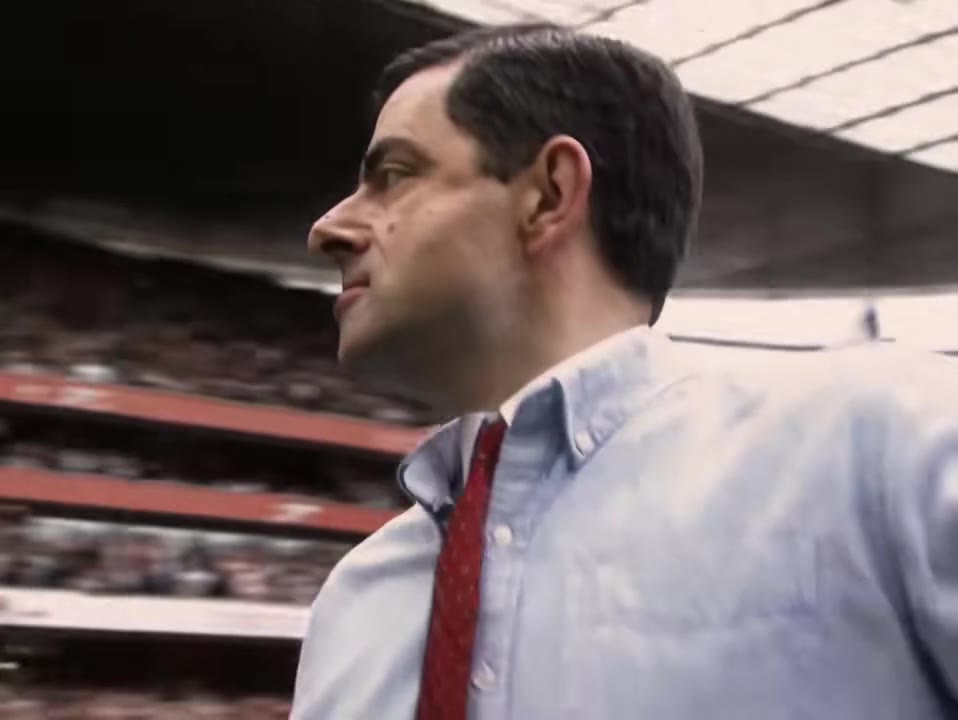
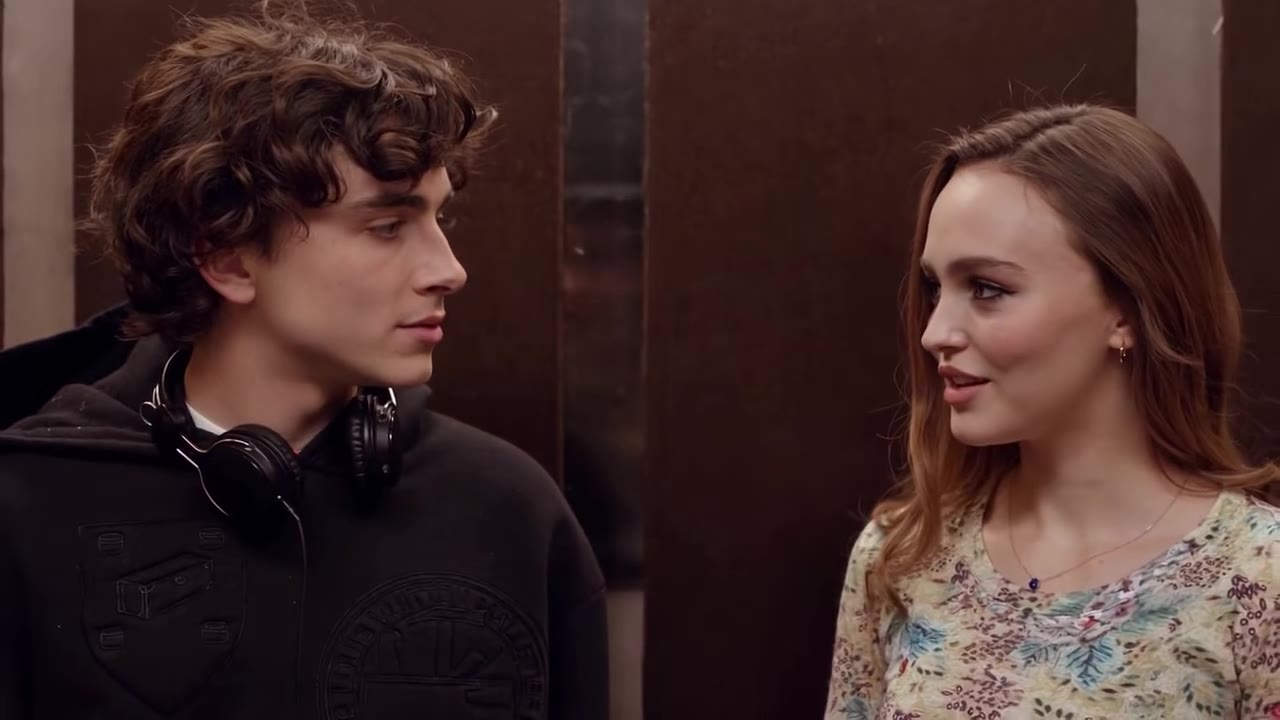
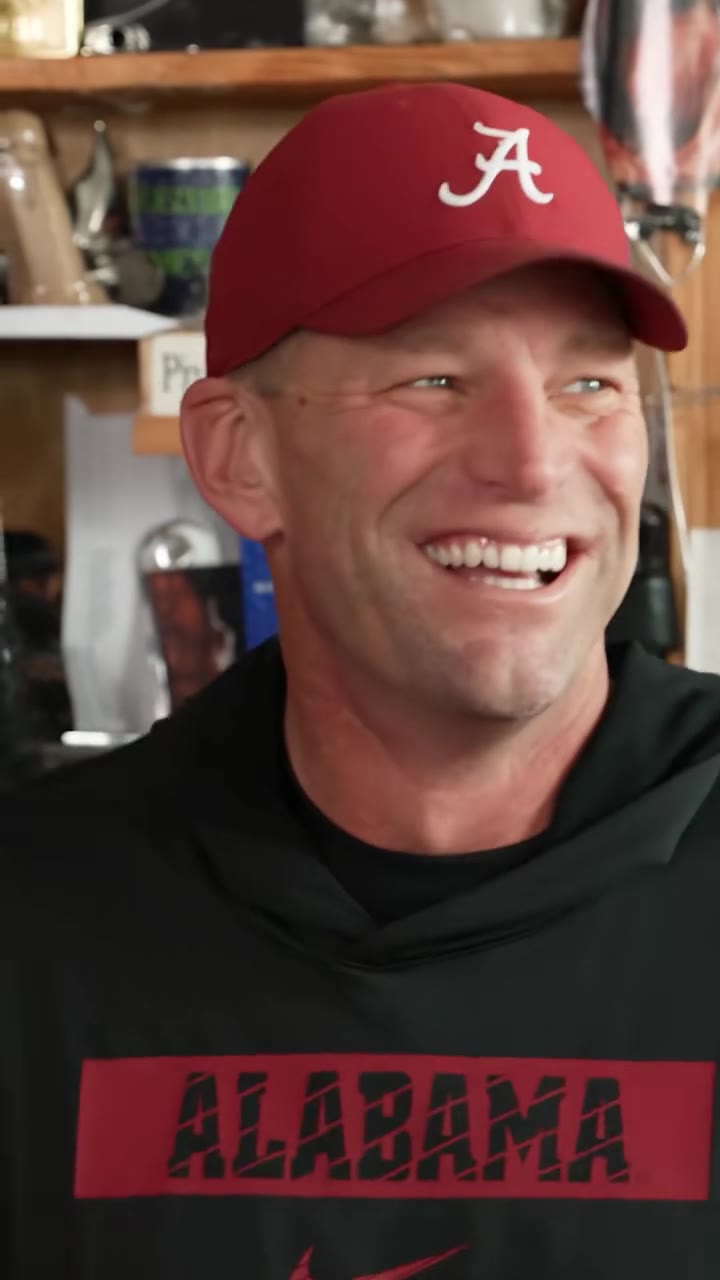
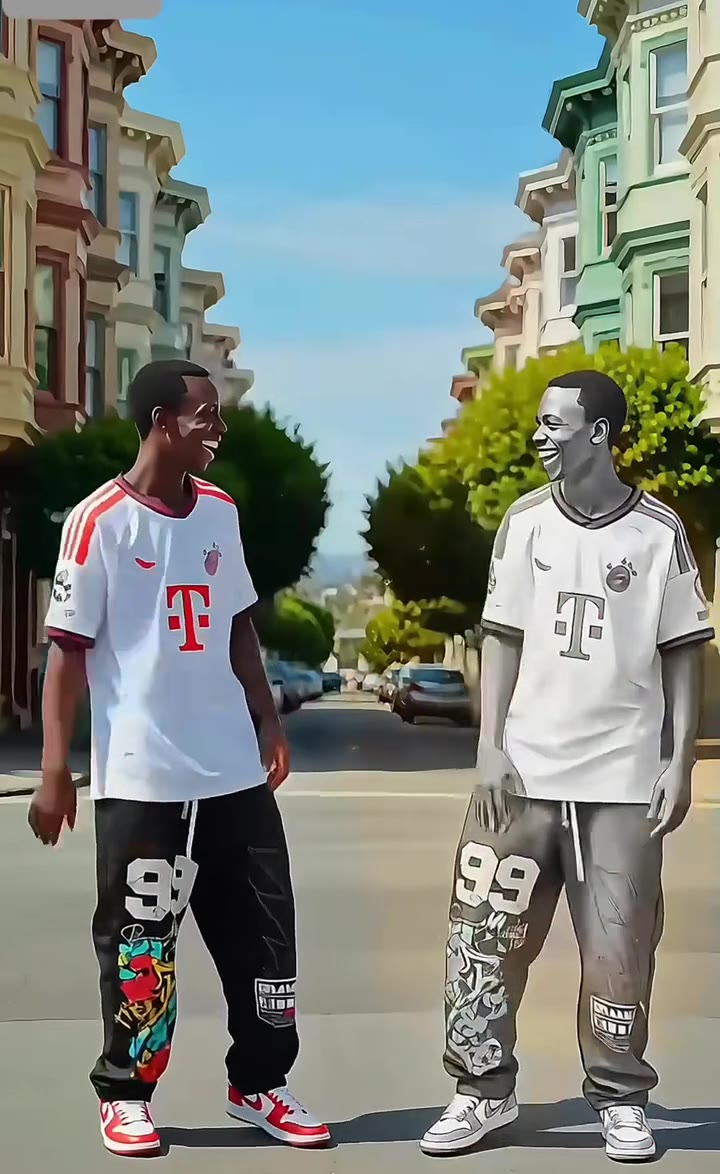
Baby face ai is the Cabbage Patch Kids doll look from a Snapchat lens, not a picture of what you looked like as a baby. To get it as a still image, upload one clear photo of an adult to the baby face AI image maker and it redraws the face as a glossy-eyed doll face for 1 credit.
This guide goes past the basics: where the lens comes from, why the joke works, how to get a clean result and what to check before you post.
Key takeaways
- The trend is a Snapchat lens called "ggg11", and Know Your Meme dates the earliest known example to 9 November 2026. It has only just started.
- The look is a Cabbage Patch Kids doll: beady eyes, round cheeks, smooth skin and a flat nose.
- The videosi version makes one vertical 2:3 still from one photo of an adult and costs 1 credit.
- A front-lit, sharp, single-person photo gives the cleanest face.
- Label the image as AI generated where a platform asks, and only use photos you have the right to use.
In this guide
- What exactly is the ggg11 lens?
- How do you get the lens on Snapchat?
- Why Cabbage Patch dolls?
- Why is it so funny on film scenes?
- How is it different from the older Snapchat baby filter?
- How is it different from AI baby dance videos?
- How do you get a clean result?
- What about privacy and whose photo you use?
- Should you label the image as AI?
- What are the alternatives to videosi?
- How early is this trend?
What exactly is the ggg11 lens?
It is a Snapchat lens that Know Your Meme lists as "ggg11 Lens". It gives whatever face the camera sees a Cabbage Patch Kids look and, in many posts, a high-pitched voice. Because it is a live camera effect, the face keeps moving: your frown, your eyebrows and your mouth shapes carry through the doll face.
Know Your Meme (its entry on the filter) says the entry was still under research when it was written, so treat dates and view counts there as a snapshot. No single original creator of the trend is confirmed beyond the lens author.
How do you get the lens on Snapchat?
Creators say to open Snapchat, search the lens name "ggg11" (some write it ggg111) in the lens search, and film with the front or back camera. Lens names and availability can change, so if nothing shows up, check the spelling and look for the lens author's name from the entry above.
The lens works on what the camera sees live. That is why the viral clips are screen recordings or filmed screens: someone points the lens at a television, a laptop or a friend. It is a Snapchat lens, so you will not find it as a built-in effect in other camera apps.
Why Cabbage Patch dolls?
The dolls are instantly recognisable. According to Wikipedia's article on Cabbage Patch Kids, Xavier Roberts made the original hand-stitched dolls and the mass-market version launched in 1982 from Coleco Industries, with soft bodies and toddler-like proportions. Many adults have seen them in a toy aisle, a photo album or a parody.
That shared memory is what makes the lens work. The face is not a realistic baby, it is a specific, slightly uncanny toy face with a flat nose and small bead-like eyes. The joke needs the audience to recognise the doll in a second, and almost everyone does.
Why is it so funny on film scenes?
It is a contrast joke. A serious scene has a stern face, a tense line of dialogue and dramatic music. When the lens swaps in a doll face but leaves the acting alone, the same serious moment becomes ridiculous. According to Know Your Meme, creators began aiming the lens at movie and TV scenes, and a separate meme about people with baby faces who get angry followed around 16 November.
The same logic explains why anger works so well. A scowl on a doll face is funnier than a smile, because the face looks like it should be placid. If you plan to make your own version, start with a photo where you look serious, suspicious or annoyed rather than neutral.
How is it different from the older Snapchat baby filter?
Older baby filters, sometimes called baby face or baby filter lenses, usually shrink the features and add a softer, more human infant look. The ggg11 trend is about a toy: hard glossy eyes, smooth plastic-like cheeks and a flattened nose. If you search for "baby filter", you may land on older effects that do not give the doll joke, so use the lens name or the words "Cabbage Patch" when you look.
videosi follows the doll version, not a generic cute-baby edit. Think of it as a character look rather than a de-aging tool.
How is it different from AI baby dance videos?
AI baby dance videos make a baby, or a baby-sized character, perform a dance. That is a motion trend and the output is a clip. The baby face AI page here does something much simpler: it takes your photo and redraws the face. There is no dancing, no sound and no video, only one still.
If you want motion, post the still as a slide in your video editor, add a zoom and put your own voice or the original scene audio under it. The squeaky voice many viral clips use is added by the lens in Snapchat, not by this image.
How do you get a clean result?
The model copies what it can see, so give it plenty to see. These habits help most:
- Use one photo with a single adult face, fully visible, with no sunglasses, mask or hand across it.
- Pick even front lighting. Backlit or very dark photos give the face too little detail and the result drifts away from you.
- Choose an expression with some character. A raised eyebrow or a flat stare reads better as a doll than a wide smile.
- Keep the face large in the frame. A tiny face in a group shot gets less detail than a head-and-shoulders crop.
- If the first image misses, generate again rather than editing the photo three times.
Your hair, clothes, pose and background stay as they are in the photo, so a plain background keeps the doll face as the star of the image.
What about privacy and whose photo you use?
Use photos of yourself, or of an adult friend who agreed. Do not upload a photo of someone who has not said yes, and do not use the effect on photos of children: the baby face page is built for adults only. Because the look is a joke, it is also worth asking a friend before you post their doll face in a group chat.
The doll face is not a prediction or an actual baby picture. It is a stylised joke image, so nobody should read it as a statement about anyone's real childhood or appearance.
Should you label the image as AI?
Yes, where the platform gives you the option. The image is AI generated, even if the joke is obvious, and a short note such as "made with AI" avoids confusion if it is reshared without context. This matters most if the image shows someone other than you, or if it could be mistaken for a real filter screenshot.
Also be clear about the source. The original effect is the Snapchat lens. A still made on videosi is a separate image made by a different tool, and videosi is not affiliated with Snapchat.
What are the alternatives to videosi?
The closest option is the original: the Snapchat lens itself, which is free and gives a live video with the voice effect. Use it when you want a moving clip, or when you want to film a film scene or a friend in real time. It needs the Snapchat app and a camera pointed at the person.
Use videosi when you start from an existing photo, when you want a still you can post anywhere, or when you want a result that does not depend on your lighting at the moment. A normal photo editor with a doll-face sticker will not redraw the face, so the AI version looks more integrated, though it is also less predictable than a live lens.
How early is this trend?
Very early. The earliest known example on Know Your Meme is dated 9 November 2026, the lens reached film scenes and a meme format within about a week, and the entry itself was only added on 17 November. That is a fast start but not yet a settled one, and these formats often fade within weeks.
If you want in, an early post usually does better than a late copy. Try a serious photo, keep the caption short and let the face do the work. You can start from the baby face AI page with one photo and 1 credit; the Single pack is $8.90 for 10 credits.