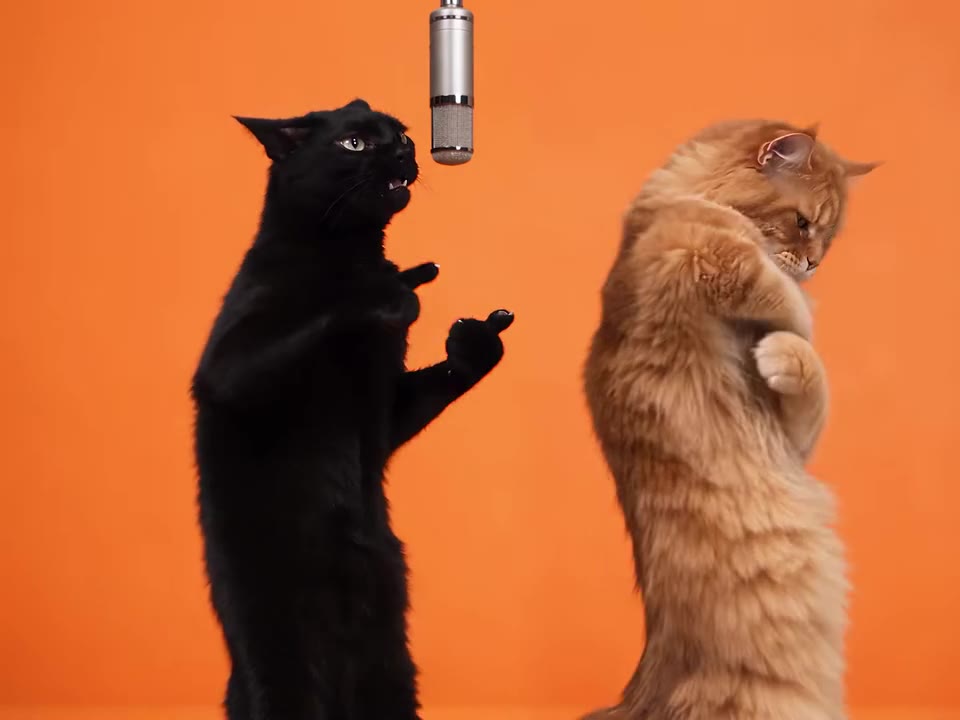
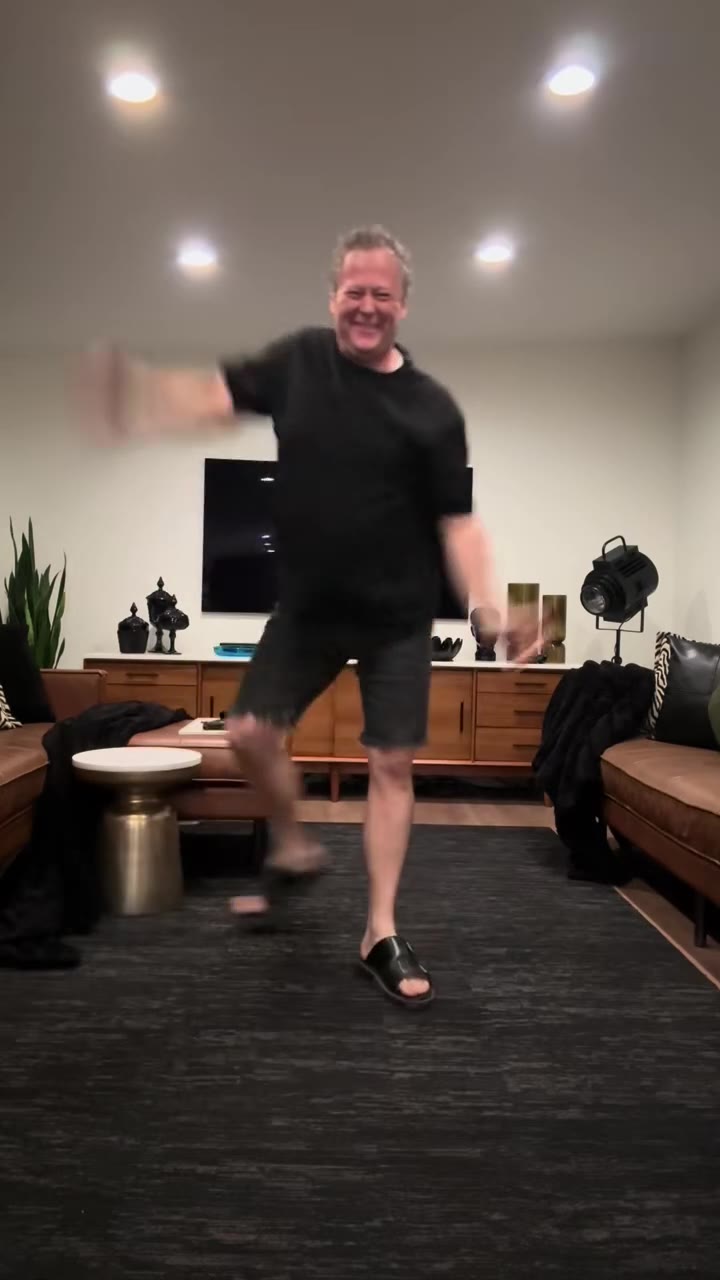
The Waiting On My Fries meme is a 15-second fast-food kitchen skit in which a customer is still waiting, one worker forgot the order and the other stalls with a slow, deadpan dance at the camera. On videosi you make your own version from one photo of you or your pet, with the original sound already on the clip.
This guide goes deeper than the FAQ on the trend page. It covers how the skit is built, why it is funny, how the AI version works, how to pick a photo, and what to do about the strong language in the sound.
Key takeaways
- The skit is four beats over 15 seconds: counter setup, the coworker panics, the stall, then the deadpan dance.
- The joke is the contrast between a panicking worker and a dancer who does not react at all.
- One clear, front-facing photo is enough; a second photo for the coworker is optional.
- The sound is spoken dialogue with strong language, and you should label the finished video as AI-generated.
- The page lists 13 credits per video, and a Single pack is $8.90 for 10 credits.
In this guide
- Where did the fries skit come from?
- How does the 15-second skit play out?
- Why is the deadpan dance funny?
- How does the AI version get made?
- How do I pick the right photo?
- Can I use my cat or dog as the dancer?
- What does the second photo do?
- What do I do about the strong language in the sound?
- Do I need to label the video as AI on TikTok?
- How is this different from other AI pet memes?
- What does one video cost?
Where did the fries skit come from?
The origin is reported to be a live-action Instagram reel set in a taco shop, posted on 15 November 2026. We could not verify that post, so treat the source as unconfirmed and do not credit anyone by name.
What spread on TikTok in the same week was the AI kitchen remake: a snow leopard standing upright at the counter, then cats in the same kitchen with the same dialogue. As of 23 November 2026 the trend has only just started, which is why most posts still reuse a single original sound.
How does the 15-second skit play out?
It runs in four beats, and the timing is what makes it work.
- 0 to 1 s: a wide shot of the kitchen, a worker at the left and the dancer standing upright at the steel counter.
- 1 to 5 s: the coworker realises the fries were forgotten, grabs his head and argues while the dancer stays calm.
- 5 to 7 s: the coworker rushes off to make them and the dancer turns toward the lens.
- 7 to 15 s: a slow, straight-faced sway at the camera, hands or paws in front of the chest, while the customer's voice complains off screen.
Because the clip ends on the dance, the fries never arrive. That unresolved ending is part of the joke and part of why people loop it.
Why is the deadpan dance funny?
The humour is a mismatch of energy. One person is in full panic, the customer is losing patience, and the dancer answers both with the calmest movement possible. The stall tactic is absurd because it is so committed: nobody explains why dancing would help.
The line the customer delivers at the end, giving up with a resigned remark that the dancer is doing it for real, turns the dance into the punchline. That is also why the sound matters so much. Viewers recognise the clip from the voices alone, before the picture has even settled.
How does the AI version get made?
You upload one photo and choose 9:16, 1:1 or 16:9. videosi runs a ByteDance Seedance video model that takes your photo plus a 15-second reference clip of the kitchen. The reference supplies the camera, the cuts, the coworker's panic and the timing of the dance, so you never write a prompt.
The dancer in the reference is replaced by you or your pet, standing upright in the same pose. The original sound is laid over the finished video afterwards. That means the mouths do not follow the words, which suits a skit where the dancer says nothing anyway.
The dancer is generated, not filmed. Expect a stylised result rather than a perfect copy of your photo, and expect that a re-roll is sometimes needed to get the deadpan timing right.
How do I pick the right photo?
A few simple rules give the cleanest result.
- Face the camera with both eyes visible, because the dancer turns toward the lens and a straight-on photo keeps the likeness through that turn.
- Use a plain background. A busy one competes with the kitchen.
- Show one subject per photo. Put a second person or pet in the optional coworker photo instead.
- Avoid sunglasses, heavy filters and photos where the face is half hidden.
If you are unsure which photo to use, pick the one where you would be happy to see the face on screen for the full 15 seconds.
Can I use my cat or dog as the dancer?
Yes, and pets are most of what the trend is. Use a clear head-and-chest photo so the fur and markings carry over. The generation keeps the coat and face from your photo and drops anything from the original animal in the reference.
One honest limit: the dancer stands on two legs for the whole clip. That is hard for image-to-video tools, and dogs and cats sometimes drift toward all fours or look more stylised than the reference. If the first result is off, try another photo with a more upright, centred pose.
What does the second photo do?
It replaces the worker at the left of the counter, the one who forgot the fries. Add a friend, a partner or a second pet and they become the panicking coworker. Leave it empty and an ordinary adult kitchen worker in a plain shirt and white apron appears instead.
Giving the coworker a face you know is what makes the clip personal. A friend who is always late with things is the obvious casting choice.
What do I do about the strong language in the sound?
The original dialogue is uncensored and includes strong language. That can matter on platforms with age or advertiser rules, and in places like schools or workplaces.
- Check the audience before you post, and consider a caption that warns viewers.
- If you need a clean version, download the video and swap the audio in your editor for a sound you have rights to use.
- Remember that the sound is laid over the video, so replacing it does not break the picture.
Whatever you choose, the decision is yours; videosi gives you the MP4 with the trend sound already attached.
Do I need to label the video as AI on TikTok?
Yes, label it. TikTok asks creators to mark realistic AI-generated content, and the same is expected on Instagram and YouTube. Turn on the AI-generated label in the posting screen, and say so in the caption too. A line such as "AI version of the fries skit" is enough.
Labelling also protects the joke. Viewers who know it is AI enjoy it as a remake instead of wondering whether your cat really stood at a counter.
How is this different from other AI pet memes?
Most AI pet memes are a single effect applied to a photo: a filter, a costume, a short loop. The fries skit is a scene with a script. It has a setting, a second character, a cut, a turn to the camera and a long held dance, all driven by the reference clip.
That is why it needs a motion reference instead of a one-line instruction. Without the reference you get a pet standing still, not the panic, the cut and the slow turn. If you want a quick pet transformation, a simple filter is the better tool; if you want a short comedy with timing, this is the one.
What does one video cost?
The Waiting On My Fries page lists 13 credits for the 15-second clip. Credits are sold in packs, and the Single pack is $8.90 for 10 credits. Credits never expire, and a render that fails returns its credits.
Plan on more than one try. The deadpan timing often needs a re-roll, so a second photo or a second pet is worth keeping ready before you start.