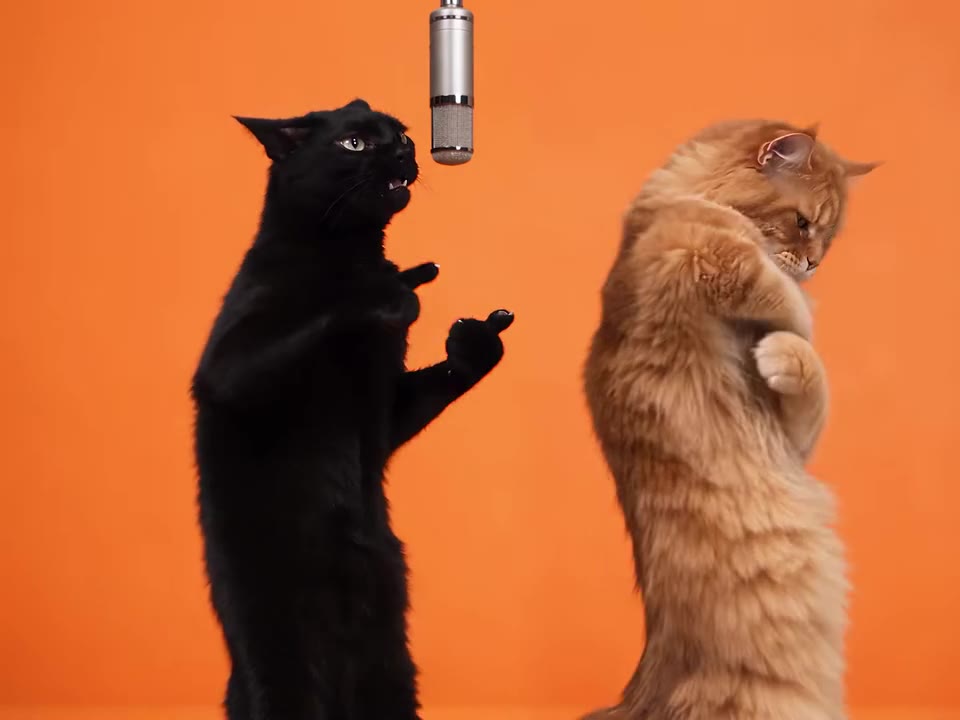
The tying shoes tip cup AI video is a 12 to 13 second comedy clip in which you crouch beside a paper cup, strangers mistake it for a begging cup and drop money in, and you only notice when you look up. On videosi you make it from one photo, with no prompt to write.
This guide goes deeper than the FAQ on the trend page. It covers where the joke came from, the two versions, why a low camera angle is hard, how to keep your face, and what the clip costs.
Key takeaways
- The joke has two versions: a park-path clip posted on 11 November 2026 (about 1.9 million views) and a realistic pub-doorway clip reposted from late February 2026.
- No single song and no confirmed original creator exist; the trend is at an early, emerging stage.
- videosi uses Seedance 2.0 or 2.5 with a reference clip, so the camera angle and the timing of the strangers stay as filmed.
- A clear, front-facing photo matters more than usual because the shot is low and fast.
- The first Standard 720p video costs 10 credits; packs start at $8.90 for 10 credits.
In this guide
- Where does the tying shoes tip cup joke come from?
- What is the difference between the park-path and pub-doorway versions?
- Why is a low camera angle so hard for AI video?
- How do I stop my face from drifting during the crouch?
- Can I use a pet or a character instead of a person?
- Why do the money drops look odd in some AI clips?
- Do I have to label the video as AI?
- How is the AI version different from filming it for real?
- Can I make it on a phone?
- Is there an official sound, and is it in the video?
- What does one video cost?
Where does the tying shoes tip cup joke come from?
Nobody has confirmed an original creator. The most-viewed post we found is a TikTok dated 11 November 2026, and an older realistic version circulated from late February 2026. Both rest on the same idea: an innocent act, tying a shoe, is misread as asking for money, and the person finds out last.
That delayed realisation is the whole comedy. The person never asks for anything, so the humour comes from the slow turn of the head, the look at the cash and the helpless grin. Because the trend only reached the radar in the week of 20 November 2026, treat any claim about its "true" origin with caution. The tying shoes tip cup page says plainly that the creator is unconfirmed.
What is the difference between the park-path and pub-doorway versions?
The park-path version was filmed with a low phone camera on a path with a bench and trees. The crouching figure is swapped for a character: a black cat that walks on two legs, a man in a folk costume, a masked gamer. It runs about 13 seconds on videosi.
The pub-doorway version is the realistic one: a young man crouches in a doorway beside a metal cup while legs walk past, then throws his head back in a shocked laugh. It runs about 12 seconds. Each scene has its own camera angle, length and sound, so pick the one that matches the mood you want. Both are on the trend page.
Why is a low camera angle so hard for AI video?
A ground-level shot puts the lens near the cup, so the subject is close, partly cropped and moving. Most video models are trained on eye-level footage, and when you ask for a low angle in words alone they tend to drift back to a normal one. The result loses the very thing that makes the joke work: you see legs, hands and bills from the cup's point of view.
That is why videosi does not rely on a written description. A short motion reference supplies the camera position, the walk-in, the crouch and when each stranger crosses the frame. The model only has to swap the person. A text-only request for a crouching person and cash usually gives a different angle and tips that arrive all at once or not at all.
How do I stop my face from drifting during the crouch?
Drift means the face in the video slowly stops looking like the face in your photo. In this trend it happens because the crouch turns the head down and sideways, and the camera sees little of the face for a few seconds.
Four habits help. Use a sharp, evenly lit, front-facing photo. Skip hats and sunglasses, because the look up and the grin carry the joke. Send a photo of one person only. And show your outfit: whatever you wear in the photo is what you wear in the clip, and a half-body or full-body photo gives the model more to anchor on. Likeness is never guaranteed, but these steps remove the most common causes.
Can I use a pet or a character instead of a person?
The cat version is what made the trend visible, so the question is natural. But the videosi scenes are built around a person: the pose, the crouch and the human grin are all tuned for a human subject, and the page is not designed for pet photos. A pet or a costume character is likely to give a less reliable result than a person.
If you want the costume or character look, the safer route is a photo of yourself in that costume. Only use photos of people who have agreed to it; videosi asks you to confirm that you have the right to use the photo.
Why do the money drops look odd in some AI clips?
Money drops are small, fast and detailed, which is where invented detail shows first. Bills can bend oddly, a hand can appear a beat late, or the pile in the cup can change between shots. The strangers in the reference are mostly legs and hands, and the video keeps them as filmed rather than adding new people.
Because the tips follow the timing of the reference clip, the pile-on from about 8 to 11 seconds, when several people bend down at once, looks the most natural. If one render has an odd moment, a second try with the same photo can differ. A failed or timed-out render returns its credits automatically; a render that finishes but looks off does not.
Do I have to label the video as AI?
Check the current rules of the platform you post on, because they change. Many platforms ask you to mark realistic AI-made video, and the pub-doorway scene in particular looks like real street footage. Adding a label is the honest default, and the download step on the trend page reminds you to do it where the platform asks.
It also helps to say in the caption that it is a skit. The clip is a comedy, not a real begging situation, and not filmed in a real place. Do not present it as a real event or put a real person's likeness in it without their agreement.
How is the AI version different from filming it for real?
Filming it for real needs a camera at ground level, a cup, willing strangers or extras, and a place where passers-by will cooperate. Real people also rarely drop money on cue, so many viral clips of this kind are staged anyway.
The AI version needs none of that. You upload one photo, and the model puts you in the reference scene. The trade-off is control: you get the camera angle, the timing and the strangers of the reference clip, not your own street. The look is also an AI render, so small details like hands and bills can be slightly off, while a real shoot gives you true footage and your own location.
Can I make it on a phone?
Yes. videosi is a web page, so it works in a phone browser: upload a photo from your camera roll, pick the park-path or pub-doorway scene, choose 9:16 for TikTok, Reels and Shorts (or 16:9), and press Generate. Rendering takes several minutes, and you can leave the page and come back.
When it finishes, download the MP4 and post it from your phone. There is no filter to install and no template link that can disappear. videosi is independent and not affiliated with TikTok or CapCut.
Is there an official sound, and is it in the video?
As of November 2026 no single song is confirmed. The most-viewed posts use their own original sound: footsteps, voices and laughter from the street. That is why searching for a track name gets you nowhere.
videosi mixes the sound of the reference clip onto the finished video after the render, so the street noise of the chosen scene is already there when you download. The model itself draws only the picture, and the sound is added on top.
What does one video cost?
On the Standard model at 720p, an account's first video costs 10 credits. After that the 13-second park-path video costs 11 credits and the 12-second pub-doorway video costs 10. There is no free generation. Credit packs start at $8.90 for 10 credits and do not expire, and a failed render gives its credits back.
Seedance 2.0 and 2.5 are ByteDance models, and you pick the tier on the page. If you only want to see what the scenes look like before paying, the tying shoes tip cup page shows a sample and the pub-doorway preview.