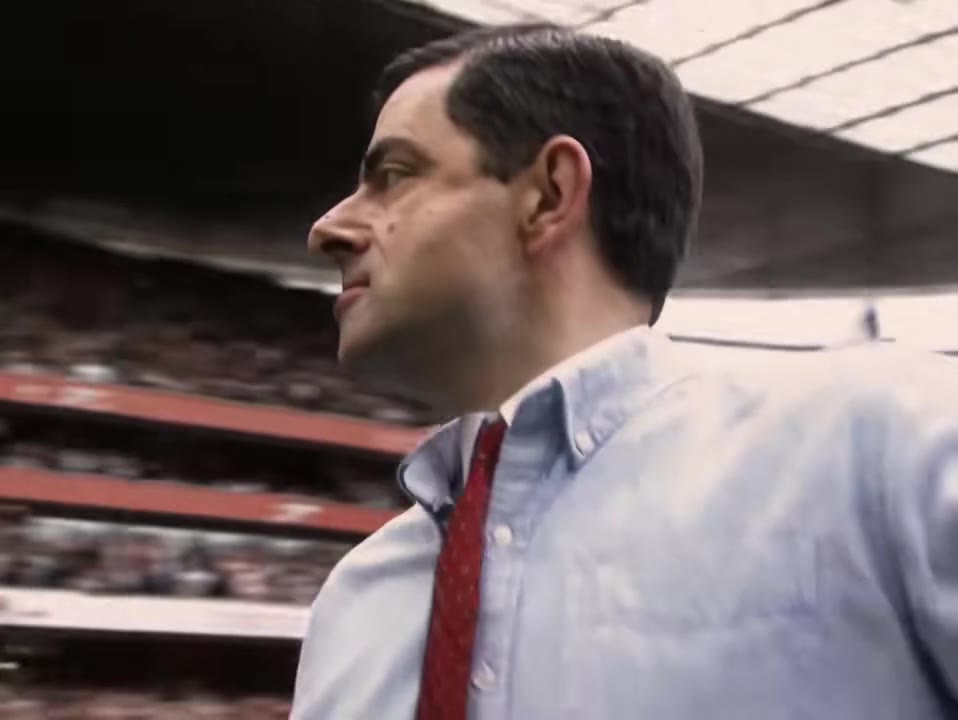
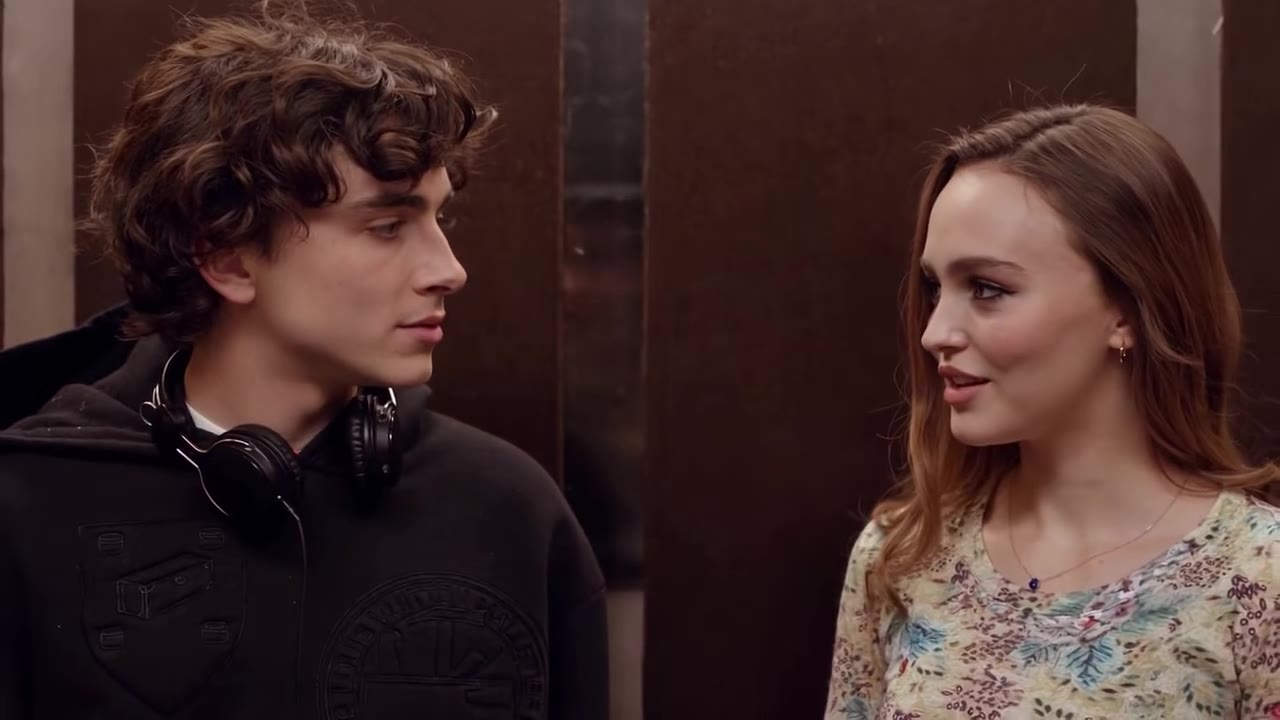
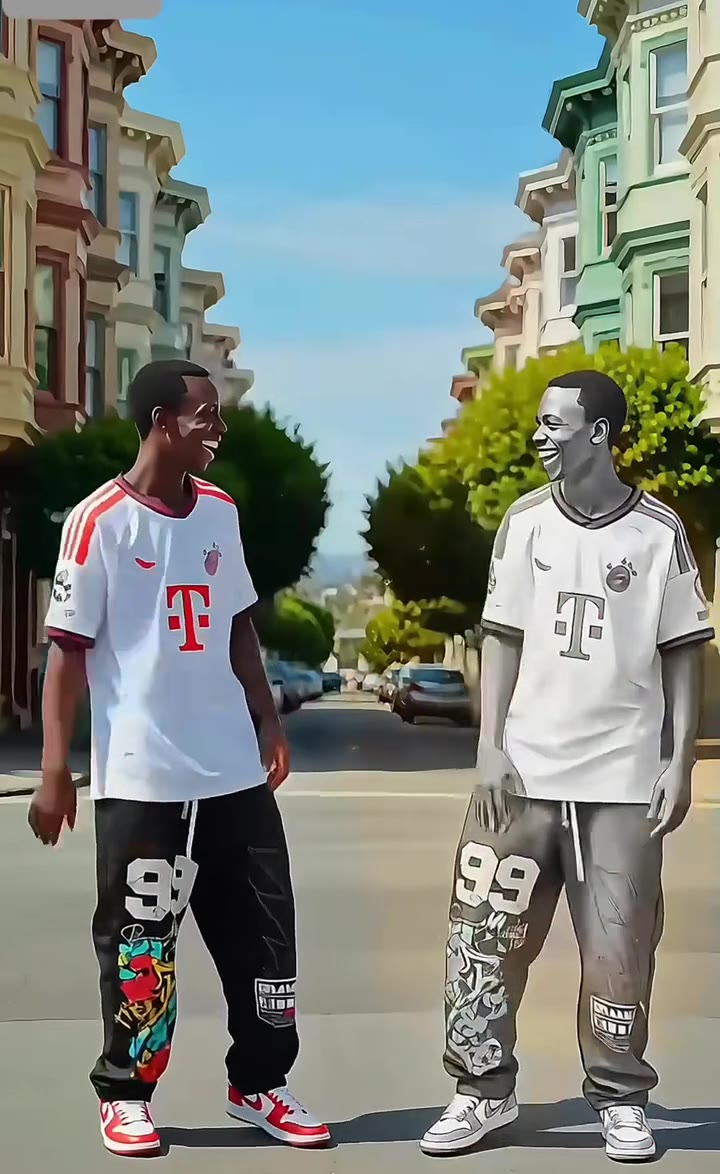
The Stereo Love Funk AI trend is a 15 second clip of you doing the Stereo Love Funk dance, made from one photo with no prompt to write. On videosi you pick the sunset rooftop duo or the night pool trio, press Generate and download an MP4 with the remix sound already on it.
This guide answers the questions people ask once they have seen the dance: where the song comes from, what the clip really is, what it costs, what can go wrong and how to post it without trouble.
Key takeaways
- The sound is a funk remix of Stereo Love, a 2009 song by Edward Maya and Vika Jigulina.
- The examples on the page are real dance clips by other people, and the effect has not been test rendered yet.
- One photo is enough; a second photo adds your partner, and only adults who agreed should be used.
- A 15 second Standard 720p video is 13 credits, your first video is 10, and a failed render returns its credits.
- The music has owners, so a platform may mute or limit a repost.
In this guide
- Where does the song behind the dance come from?
- Why does a 2009 pop song sound like Brazilian funk now?
- What happens second by second in the dance?
- Are the examples on the page AI videos?
- What photo should I use?
- How does the partner or trio version work?
- What does one video cost, and what if it fails?
- Why might a platform mute my video?
- Should I label the video as AI?
- Who can appear in the video?
Where does the song behind the dance come from?
The dance is built on a remix, and the remix is built on an older hit. According to Wikipedia's Stereo Love entry, the original is by the Romanian musician Edward Maya with the singer Vika Jigulina. It went to Romanian radio on 23 February 2009 and was released digitally on 6 July 2009. The article notes it reached number 1 in about a dozen countries and peaked at number 16 on the US Billboard Hot 100.
The version used in the dance is titled "STEREO LOVE FUNK". TikTok lists the sound under the artists Cotneus, PVNZER and Kngmn. Our trend notes say it was already popular on TikTok in June 2024, long before the dance wave arrived.
The page for this trend is Stereo Love Funk AI, and it puts that remix on every clip you make. videosi is independent and not connected with the artists, TikTok or CapCut.
Why does a 2009 pop song sound like Brazilian funk now?
Because the remix swaps the original beat for a funk and phonk style one. Wikipedia describes funk carioca, also called baile funk, as a hip hop influenced genre from Rio de Janeiro that grew out of the city's favelas in the 1980s and uses electronic drum loops and sampled melodies. The same article says a subgenre called funk automotivo is known outside Brazil as "Brazilian phonk", although it adds that Brazilians rarely use that label.
For a dancer this matters in one practical way. The remix has a hard, repeating beat, which is why the moves are short, sharp and easy to copy in a group: fists, a point, a sway, claps. The song supplies the timing and the routine supplies the look.
What happens second by second in the dance?
The routine on the page runs in six parts across 15 seconds, filmed side by side facing the camera.
- 0 to 2 seconds: both fists come up to the cheeks on the first beat.
- 2 to 4 seconds: one arm shoots up, then both dancers point across the frame in time.
- 4 to 7 seconds: arms cross over the chest and the hips sway, the signature move.
- 7 to 10 seconds: hands on the hips for a bounce, then claps above the head.
- 10 to 13 seconds: hand rolls in front of the body and a loose sway as the remix builds.
- 13 to 15 seconds: both dancers step into the lens laughing for the close up ending.
Knowing the order helps when you pick a photo, because the clip ends on a close up of your face and spends the middle on your whole body.
Are the examples on the page AI videos?
No. The examples on the trend page are real dance clips filmed by other people, shown so you can see the dance as people actually do it. They are not videosi renders, and we have not test rendered this effect yet, so we cannot promise how your own result will look.
What we can say is how it is meant to work. The model takes a real Stereo Love Funk clip as a motion reference and replaces the named dancer with the person in your photo. According to our notes, it is built on ByteDance's Seedance model, and the tier is your choice. The prompt is built in rather than published, which is why you only choose photos and a scene.
What photo should I use?
Use one sharp, well lit photo that shows you from head to toe if possible. The original dance is filmed full length, so a full body photo gives the model your build, trousers and shoes, and you dance in your own outfit. The ending is a close up, so a front facing photo where your eyes are visible keeps your face right.
Avoid sunglasses, masks and hands over the face, because the close up needs them clear. Clear glasses are fine. If you want a partner, use a separate photo for each person, or one photo of you both with you on the left and your partner on the right.
Likeness is not guaranteed. Faces are small in the full body middle part of the clip, and fast arms can blur, so treat the first render as a draft.
How does the partner or trio version work?
There are two scenes. The sunset rooftop is a duo: you and a partner side by side. The night pool is a trio, and you take the place of a dancer at the front.
Only the dancers you add are replaced. If you leave out the second photo in the duo, the other spot is filled by a stranger. In the trio, the dancer on the right stays as in the original clip. That is a quirk of working from a real reference video, and it is worth knowing before you post a clip that is meant to show two friends.
If you want to see everything the trend page offers before you decide, start from the Stereo Love Funk AI page and look at both scenes.
What does one video cost, and what if it fails?
It is not free; there is no free allowance. A 15 second video on Standard at 720p is 13 credits, and an account's first video costs 10. Credit packs start at $8.90 for 10 credits, and subscriptions start at $29.90 a month. A failed render returns its credits, so you do not pay for a clip that never arrives.
Rendering takes several minutes, so it is a "start it and come back" job rather than an instant filter. Higher tiers exist if you want a different model, but Standard 720p is the price used in this guide.
Why might a platform mute my video?
Because the music belongs to its owners. Both the original Stereo Love and the funk remix are copyrighted, and the clip you download has the remix sound mixed in after the render. TikTok, Instagram or YouTube may mute or limit a repost, and videosi cannot control that.
If your repost is muted, one fallback is to post the MP4 and pick STEREO LOVE FUNK from the app's own sound library instead. The sound can also drift a little off the beat in the render, with mouths and claps slightly early or late.
Should I label the video as AI?
Yes, label it. TikTok says in its newsroom post on AI transparency that it already labels content made with its own AI effects, has required creators to label realistic AI generated content, and reads C2PA Content Credentials to label AI content from other platforms. A clip that looks like a real dance should be marked, so viewers are not misled about who danced.
Labelling also keeps your account out of trouble. It costs nothing and takes a tap when you post.
Who can appear in the video?
Only adults who agreed to it. Use your own photo, or a photo of a friend or partner who said yes. Do not upload photos of strangers, children, or people who have not agreed, and do not use the video to mislead anyone.
The same page holds all of this in one place, so before you generate, read the notes on the trend page about the sound, the examples and what has not been tested yet.