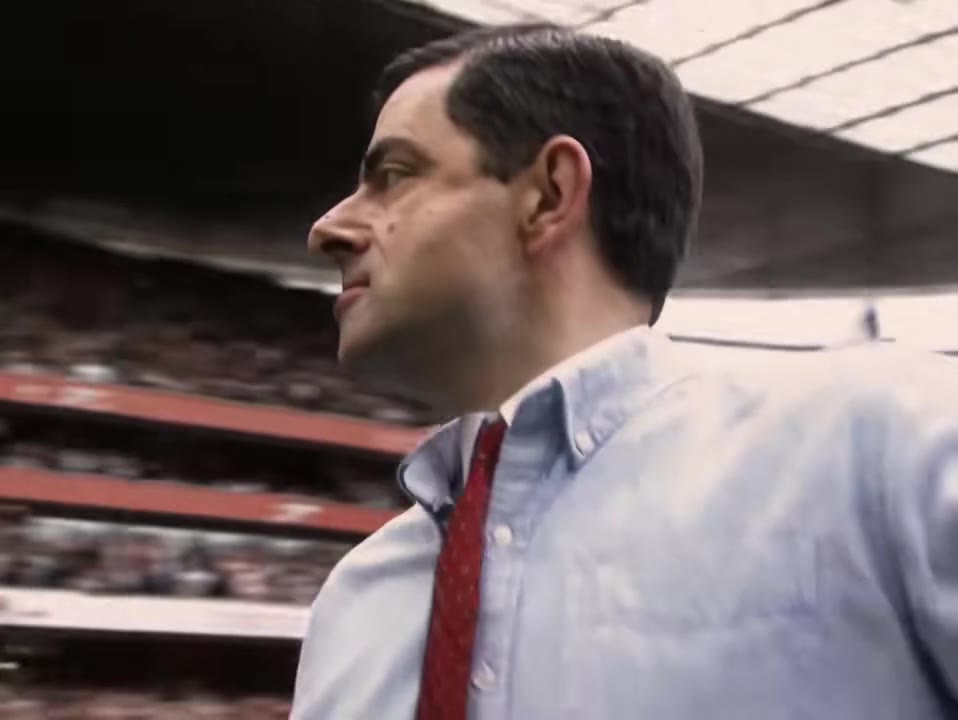
Soccer missed goal AI is a short football clip in which a player runs at an open net, shoots and misses, and throws his arms up in celebration anyway. The videosi soccer missed goal AI page makes it from one photo of you, with the original sound already on it and no prompt to write.
Key takeaways
- The trend is an 8-second football gag: a striker shoots at an open goal, misses, celebrates too early and then shrugs.
- The miss is the joke, so the ball must not end up in the net, and the early celebration has to come before the ball settles.
- The close-ups look most like you, while the small figure in the wide shot can drift, so a sharp front-facing photo matters.
- An 8 second Standard 720p video is 10 credits, the Single pack is 10 credits for $8.90, and credits never expire.
- Please label the finished video as AI-generated when you post it.
In this guide
- What happens in the 8 seconds, beat by beat?
- Why does the ball have to miss instead of going in?
- Why does the celebration come before the ball settles?
- Why do the close-ups look more like you than the wide shot?
- What kind of photo gives the best result?
- Does it matter what I wear in the photo?
- How is a CapCut template different from an AI regenerated video?
- Which Seedance model and tier should I pick?
- Why is the original player prevented from coming back in some shots?
- How much does it cost, and what happens if a render fails?
- How should I label and post the finished clip?
- Why are there so many versions of this trend?
What happens in the 8 seconds, beat by beat?
The clip runs as five beats. From 0 to 1 second the striker is close to the goal with the ball at his feet and an empty net in front of him. From 1 to 2.5 seconds he strikes the ball, and the camera stays on him rather than on the ball.
From 2.5 to 4.5 seconds he turns away with both arms raised, celebrating before the ball has settled. From 4.5 to 5.5 seconds a fast swipe cut shows spectators in the stand reacting. The last stretch, 5.5 to 8.4 seconds, returns to the pitch, where he stands among thrown water bottles and spreads his hands with an embarrassed grin.
That fixed order is why the soccer missed goal AI page needs only one photo. The story never changes, and only the person at the centre does.
Why does the ball have to miss instead of going in?
The whole joke is the gap between the celebration and the miss. If the ball ends up in the net, the celebration is simply correct and there is nothing to laugh at. The viewer needs to see the shot fail, then see the player raise his arms anyway.
This is also the part video models get wrong most easily. Left alone, a model tends to score, because that is what a striker facing an open net usually does. Our notes say the ball easily ends up in the net, which removes the joke, so the miss has to be kept from the reference clip. We also say plainly that the ball is the model's version of the shot, so some tries look different from the original, and a few show the ball going in. If that happens, it is worth another try.
Why does the celebration come before the ball settles?
Timing carries the humour. In the original beat structure the arms go up between 2.5 and 4.5 seconds, while the camera is still on the player and not on the ball. That means the viewer is told he has missed by his own body language, not by a replay.
Then the swipe cut to the crowd gives the audience a second to react, and the shrug among the water bottles lands the punchline. Remove any one of those three steps and the clip becomes a plain miss. The reference clip supplies this timing, which is why a motion reference matters so much more here than a clever description.
Why do the close-ups look more like you than the wide shot?
In the wide shot at the goal the player is small, so the face there is generated from your photo with very few pixels to work with, and it can drift. The close-ups of the celebration and the shrug fill much more of the frame, and they are the strongest part of the video.
Expect the first second or two to be the loosest likeness and the last few seconds the tightest. For a thumbnail, pick a frame from the shrug.
What kind of photo gives the best result?
Use one clear, front-facing photo of yourself, head and shoulders or waist up, in even light. Your face, hair and clothes come from this photo, and the celebration and the shrug are close shots of the face, so sharpness matters more than anything else.
Leave out caps and sunglasses, because anything covering your eyes makes the likeness drift when you turn and shrug. A side-on or blurry face is the usual cause of a result that does not look like you. Use only yourself, or an adult friend who agrees. The video is built for one person, so group photos and pets are not supported.
A sports shirt or a plain top reads best on the green pitch, and green clothing is best avoided.
Does it matter what I wear in the photo?
Yes, because the outfit travels with you. The prompt hands the player's role to your photo, so the shirt you are wearing is the shirt you play in. A plain colour against a green pitch gives clean separation, while green blends into the grass.
No real club kit or badge is added, so do not expect a specific club shirt.
How is a CapCut template different from an AI regenerated video?
CapCut has templates with names such as Soccer Missed Shot Celebration, and tutorials for them appeared from about 13 November. A template swaps a face into a fixed clip. The footage stays the same for everyone, so the result depends on how well the face fits the original shot.
An AI regeneration renders a new 8-second video from your photo and a motion reference. The pitch, goal, cuts and timing come from the reference, while your face, hair and clothes come from you. The trade-off is that the render is generated, so small details such as stadium signs and crowd faces are generated too and may show distorted lettering. We could not confirm an official TikTok filter for this trend, so check the apps for the newest templates if you prefer that route.
Which Seedance model and tier should I pick?
The soccer missed goal AI video uses ByteDance's Seedance 2.0 and 2.5 models, and you pick the tier. For a first attempt, the Standard model at 720p is the sensible start: an 8-second video is 10 credits, and it is enough to judge the likeness and the timing before you decide whether a different tier is worth it.
The length is fixed at 8 seconds, and you can choose 9:16, 1:1 or 16:9. Use 9:16 for TikTok, Reels and Shorts. The prompt itself only says which player in the reference clip your photo replaces and keeps the shot sequence, so there is nothing for you to tune beyond the photo and the format.
Why is the original player prevented from coming back in some shots?
A replacement prompt that names only the main shot often fails in the other shots. The model swaps the player in the wide view and then lets the original footballer return in a close-up. To stop that, the prompt names each part of the sequence: the wide shot at the goal, the close-ups and the final gesture among the water bottles, and states that every one of them is you.
Without a motion reference, general video models also make a normal goal or a generic tackle and lose the early celebration entirely. That is why we do not publish the full prompt: copying a shortened version into another tool usually loses the very lines that keep the clip consistent.
How much does it cost, and what happens if a render fails?
There is no free generation on videosi. A Soccer Missed Goal AI video of 8 seconds on the Standard model at 720p is 10 credits. The Single pack is 10 credits for $8.90, so one pack covers one video at that setting. Credits never expire, so there is no rush to use them, and a failed render returns its credits automatically.
Hand-made versions often need several attempts to get the timing, and each try costs credits and several minutes.
How should I label and post the finished clip?
Please label the finished video as AI-generated when you post it. Use the platform's AI content setting if it has one, or add a short "AI-made" note to the caption.
The clip already carries the original trend sound, recorded from an original clip and added to your video, so you do not need to add music. Platforms may mute or claim that sound, so if the audio disappears after upload, that is a platform decision and not a rendering fault. The video renders in a few minutes, you can close the tab, and we email you when it is ready.
Why are there so many versions of this trend?
Because the format is easy to copy. The earliest posts we found are dated 10 November 2026, and the most-viewed version we found, from a Brazilian sports account, passed 3.9 million views. Other versions followed within days, with captions such as "bro celebrated way too early" and, in Portuguese, "perdeu o gol comemorou".
Most share the same stadium footage and one soundtrack, which is the crowd and a commentator from the original clip. There is no single named song. We have not confirmed who made the first version or whether the base footage is staged, filmed or generated, so treat claims about its origin carefully. Each new version changes only the face, which is exactly what your own clip does too.
If you are ready to try it, start from the Soccer Missed Goal AI page. The trend is an independent fan format, and videosi is not affiliated with any club, league, player or platform.