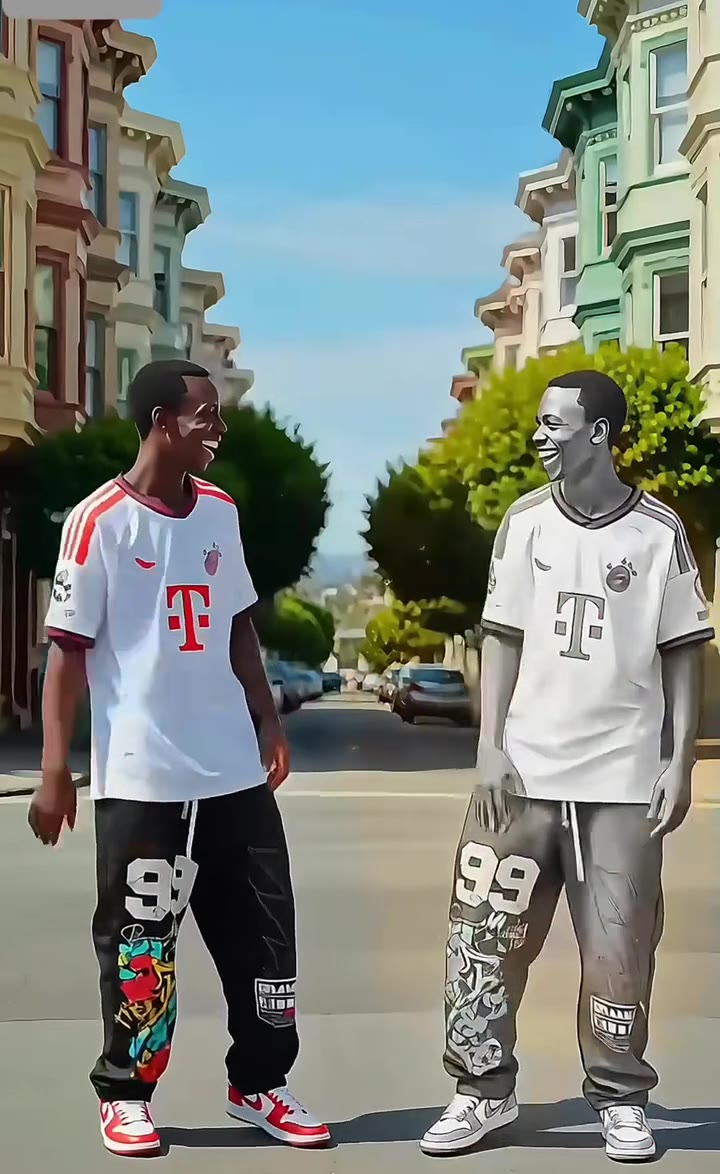
Hibidi Skibidi AI, also searched as Skibidi Bobbidi Boo AI, is a short video in which a photo of you replaces the rapper in a viral dark-studio mic freestyle. TikTok mostly labels the original sound 'Hibidi Skibidi', and the Hibidi Skibidi AI trend page on videosi makes the 15-second version from one picture, with the original audio laid over it.
This guide goes past the basics: how the freestyle is built, why a close-up face is hard for AI, how to choose a photo, and what to do when something goes wrong. The quick how-to lives on the trend page, and the answers below add the detail around it.
Key takeaways
- The trend is a fast, absurd mic freestyle built around the Disney 'Bibbidi-Bobbidi-Boo' hook; the performer and rights holder are unconfirmed.
- The AI version swaps the rapper for the person in your photo and keeps the studio, the mic and the gesture timing.
- A sharp, front-facing, single-person photo with a calm mouth gives the best likeness.
- Lip-sync to the words is not guaranteed, so post it as an AI-made meme and label it as AI.
- Trends like this usually peak fast, so the best time to post is while the sound is still spreading.
In this guide
- What is the Skibidi Bobbidi Boo freestyle?
- How is the freestyle structured?
- What does 'skibidi' mean?
- What does 'bibbidi-bobbidi-boo' mean?
- Why are close-up face shots hard for AI?
- How do I pick the right photo?
- Can I use a pet?
- CapCut or a web tool?
- Do I need to label it as AI?
- Why might the audio get muted?
- What if the render fails?
- How long do trends like this last?
What is the Skibidi Bobbidi Boo freestyle?
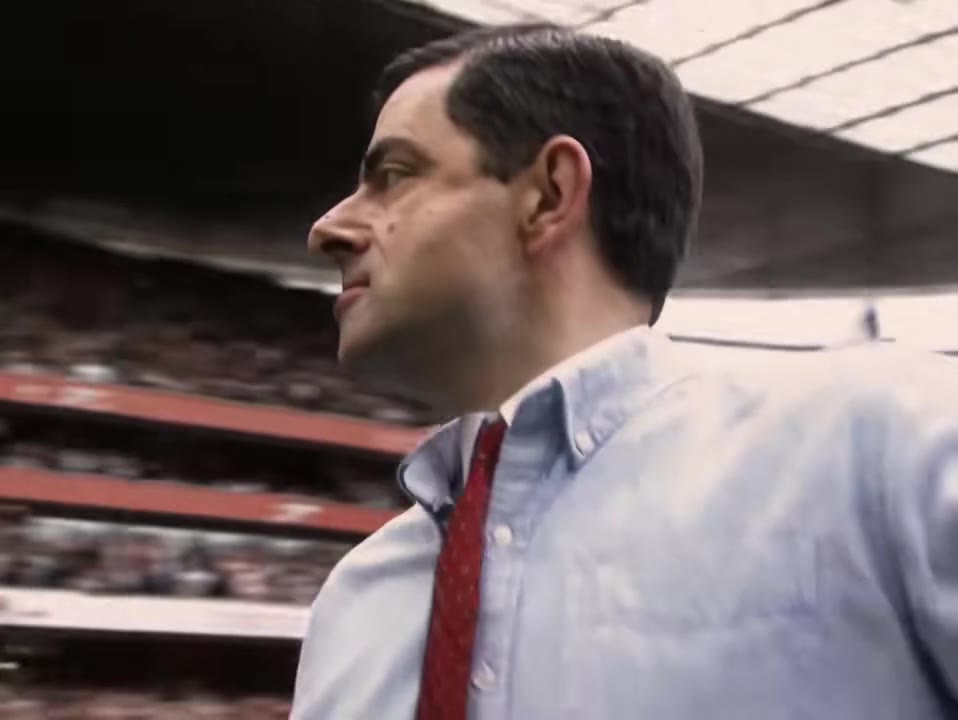
It is a clip of a man in a teal T-shirt sitting close to a vintage silver microphone in a dark, foam-panelled booth and rapping at top speed. His face is rubbery, his hands jump between pointing, fists and waving, and the words are a slang freestyle on a famous fairy-tale hook. That mix of deadpan studio setting and chaotic delivery is why people copy it.
The earliest posts we found are dated 6 October 2026, and the sound is listed as an 'original sound'. By mid-November 2026 it had moved into CapCut and AI-template videos, and tutorials for making an AI version started to appear. Who the rapper is has not been confirmed, so we do not name anyone, and we could not match the audio to a released song. The Skibidi Bobbidi Boo AI page on videosi is built from the first 15 seconds of that booth clip.
How is the freestyle structured, line by line?
At a high level it runs in five beats over the 15 seconds we use. The hook comes first: a tight close-up, eyes half shut, the mouth firing the 'hibidi skibidi' phrase into the mic. That is about the first three seconds.
The second beat is the pointing bars. Both index fingers jab toward the face and the camera while the line about turning up the king lands. The third beat is the 'magic in the air' line, where the hands wave and flick and the head tilts side to side. The fourth is the fists: two fists pump in front of the mic as the bibbidi bobbidi boo phrase repeats. The last beat is where the head swings closer and a verse begins, which is where the 15-second cut ends.
What does 'skibidi' mean?
On its own, 'skibidi' is mostly a nonsense syllable. It became a meme word through a long-running series of absurd internet videos and has since turned into general slang for something silly, chaotic or random. In this freestyle it works as a rhythmic filler, like a drum fill, not as a word with a dictionary definition.
That is also why the title varies so much. People search for 'skibidi bobbidi boo', 'hibidi skibidi', 'skibidi babidi boo' and other spellings of the same sound. They all point to the same clip, and the trend page lists these spellings so you can find it however you remember it.
What does 'bibbidi-bobbidi-boo' mean?
It is the magic phrase from the Disney film Cinderella, sung by the Fairy Godmother when she turns a pumpkin into a coach. The words themselves carry no literal meaning; they are a made-up spell. The freestyle borrows that spell as a hook and then bends it into 'hibidi skibidi', so the joke is a fairy-tale charm turned into a studio rap.
The rest of the lyrics are original slang, with lines about magic in the air and waking up feeling restless. We treat it as a freestyle riffing on the hook, not as a cover of the film song. For the page this matters because it keeps us honest about rights: the Disney phrase is well known, but the recording itself has no confirmed owner.
Why are close-up face shots hard for AI?
Three reasons. First, the face fills most of the frame, so any small error in the eyes, teeth or jaw is visible straight away. A wide shot hides mistakes; a close-up shows all of them.
Second, the mouth moves fast. A rapper's mouth changes shape many times a second, and the model has to invent those shapes for a face it has only seen once. That is why exact lip-sync to the words is not guaranteed, even though the mouth moves like a rapper.
Third, the hands are in shot and moving. Fingers jabbing toward the lens are among the hardest things for video models, so you may see an extra or blurred finger, especially during the pointing bars. If the hands look odd on one render, a second try with the same photo often looks different. See the Skibidi Bobbidi Boo AI page for what the final clip looks like.
How do I pick the right photo?
Use one adult, face fully visible, looking at the camera. The original frames the face very large, so a sharp head-and-shoulders photo gives the best likeness.
Choose a neutral expression. A calm mouth and open eyes give the model room to animate the rap, while a big grin can distort once the mouth starts moving. Skip sunglasses, which hide the eyes, and skip photos where you hold a microphone, because that can fight the studio mic in the scene. Avoid group photos too, since the model may pick the wrong face.
Can I use a pet?
The page is built for a photo of one adult person, and that is what the prompt and the reference clip assume. The motion comes from a human rapper with a human jaw and hands, so a pet photo is outside what the effect is designed for, and results are not something we can promise. If you want an animal doing a dance or a song, a pet-focused effect on videosi is a better fit than forcing a pet into a human close-up.
CapCut or a web tool?
By mid-November 2026 the sound had moved into CapCut and AI-template videos, so both routes exist. A CapCut template mostly lays your footage or stills over a ready-made timing pattern. It is quick, but it works with what you already have, which usually means a still or a clip of you, and it does not create new motion.
A web tool like videosi starts from one photo and generates the whole 15-second video, including the face movement and gestures. The trade-off is cost and wait time: a render uses credits and takes a few minutes. On the trend page the standard tier at 720p for 15 seconds is listed at 13 credits, and credit packs start at $8.90 for 10 credits, and your first video on an account is charged at most 10 credits, so the Single pack covers it; check the cost shown before you press Generate. If you only need a quick meme edit, a template is fine. If you want a believable face moving like the original, generate it.
Do I need to label it as AI?
Yes, and it is the right thing to do whether or not a platform forces it. A face replaced with AI should be marked as AI-made when you post, and most major platforms ask for or offer a label for synthetic media. It protects you if someone mistakes the clip for real footage.
Use your own face, or the face of someone who has agreed. Do not use a photo of another person without permission, and do not present the clip as the original performer. The freestyle is a meme, so keep it a meme: say it is AI, tag it clearly, and do not claim it as a song release.
Why might the audio get muted?
The audio is the original freestyle as found on TikTok, labelled 'original sound', and no commercial release is confirmed. That means the rights to the recording are unknown, and a platform's audio matching can still flag or mute it. We cannot predict that for each platform or account.
If a post gets muted, you have a few options. Re-post using the platform's own sound library version of the audio, if one exists. Or post the video with a short caption and let viewers add their own track. Keeping the clip short and labelled as an AI meme, not as music, also lowers the risk.
What should I do if the render fails or looks wrong?
Separate two cases. If the render fails outright, a failed render returns its credits, so you can retry without losing them. Wait a minute and run it again, because failures are often temporary.
If the render finishes but looks wrong, the cause is usually the photo. Check that the face is large, sharp and front-facing, that nothing covers the eyes, and that only one person is in the frame. Swap in a better photo before you retry, since the same photo will usually give a similar result. Remember the limits we list: hands can look odd, lip-sync is not guaranteed, and likeness is not guaranteed on any tier. If you still cannot get a clean result, the trend page has the full tips list, and a different photo is the fastest fix.
How long do trends like this last?
Short freestyle sounds tend to rise and fall within weeks, not months. The first posts here are from early October 2026 and the AI tutorials arrived about six weeks later, which is a typical pattern: an original sound, then creators lip-syncing, then template and AI versions, then fatigue.
We cannot tell you the peak date. The sensible approach is to post while search and tutorial interest are still growing and not wait for a perfect take. Searches for 'hibidi skibidi' and 'skibidi bobbidi boo' will likely cool faster than the underlying sound, so a short, funny clip posted early has the best chance.