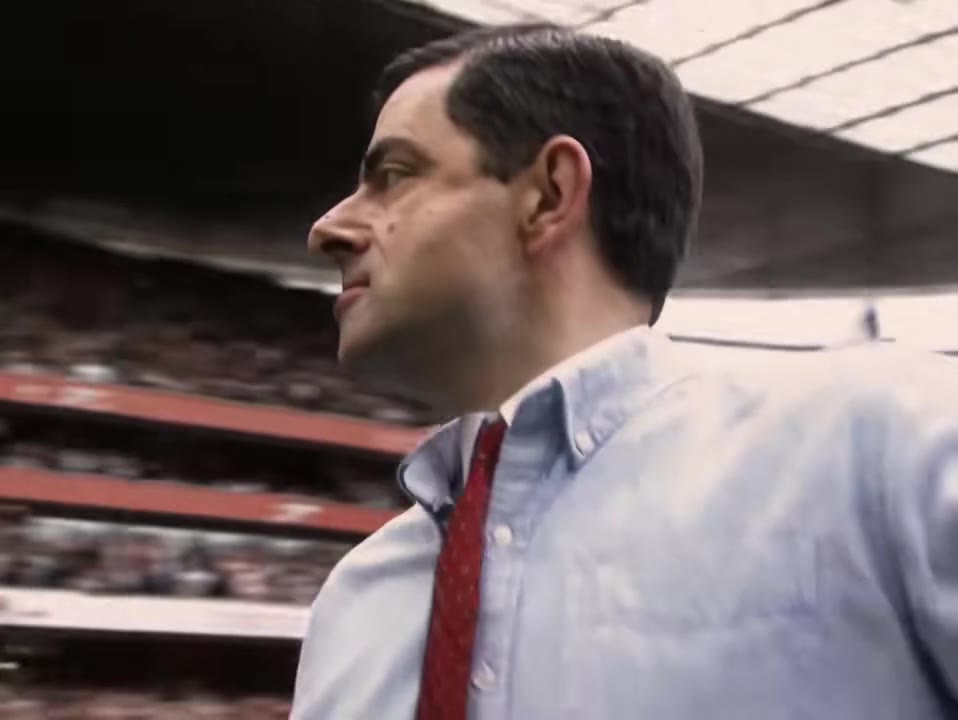
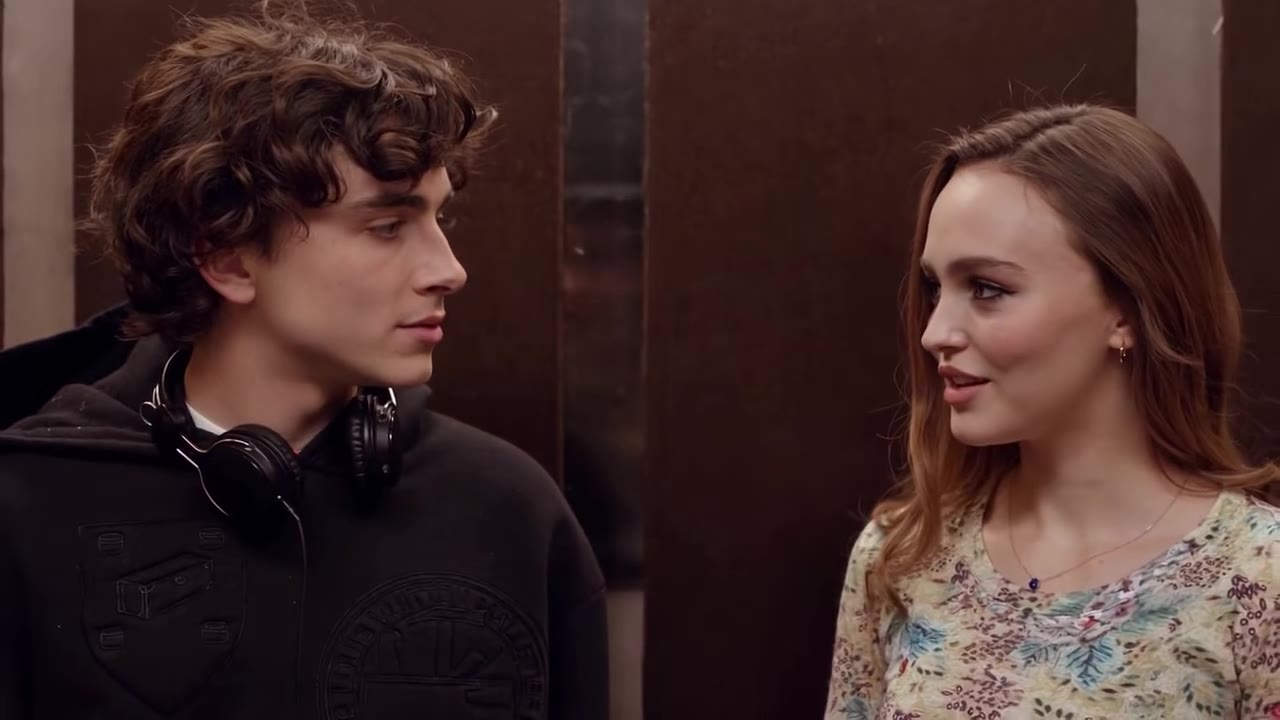
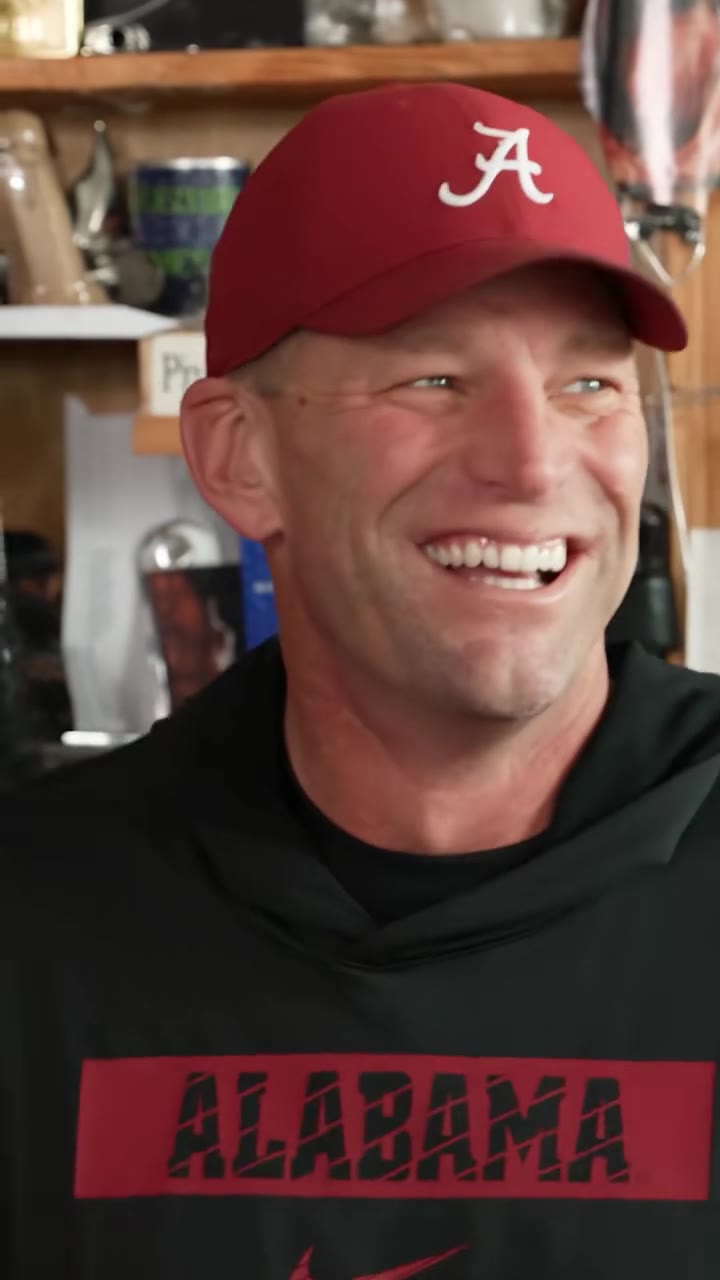
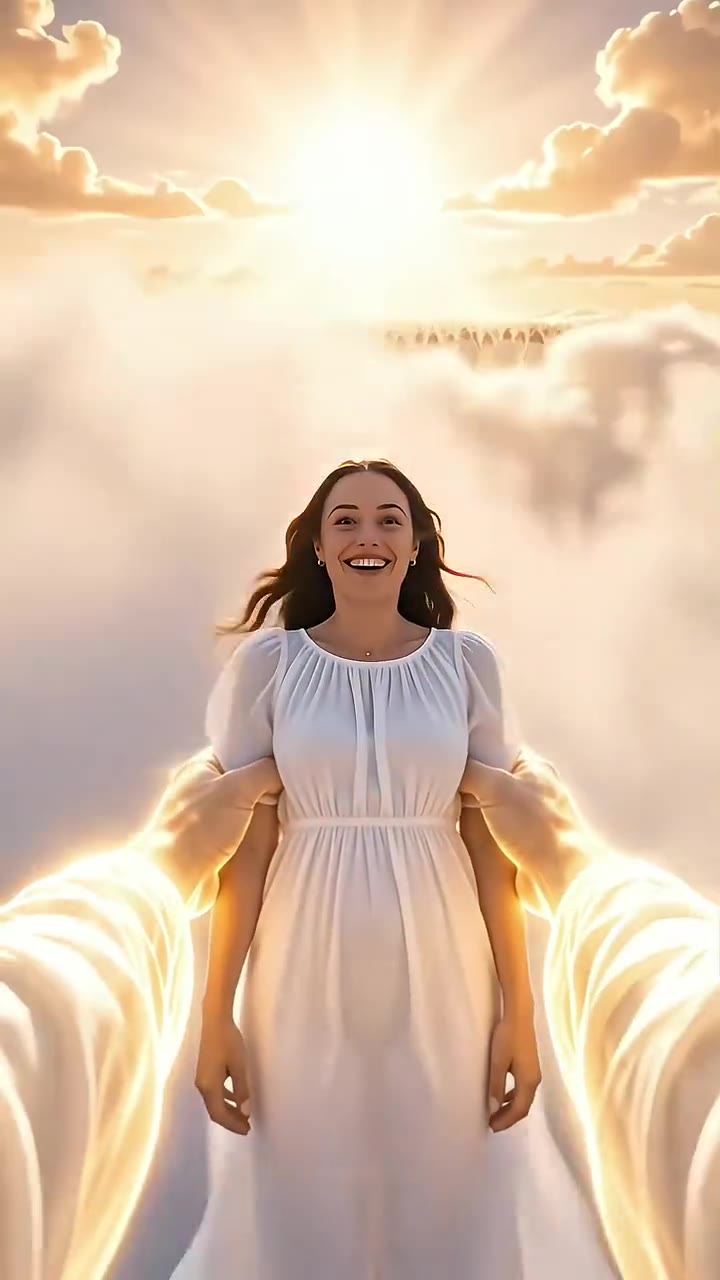
The Number One Ya Number Zero trend is a short TikTok selfie clip in which someone mouths a chanted boast, grins, points a finger up and sways while the words "Number One Ya Number Zero" are stacked across the frame. The line reads roughly "I'm number one, hey, you're number zero", a playful brag from an Egyptian festival-style chant that began circulating on 17 November 2026.
This guide answers the questions people ask once they have seen the clip: what "ya" means, what kind of music the sound is, how the text and the gestures work, and how to make your own version from one photo.
Key takeaways
- "Ya" is the Arabic word used to call out to someone, so the phrase is a boast aimed at a rival.
- The sound is an Egyptian mahraganat-style chant posted as a TikTok original sound; the song title and singer are not verified.
- The earliest post we found on the sound is dated 17 November 2026, and the trend is still new as of 23 November 2026.
- You can make a 10 or 15 second version from one photo on videosi, with the lettering and the trend sound already on the clip.
- If one letter of the text comes out wrong, you can fix it in a video editor over a clean export.
In this guide
- What does "ya" do in Egyptian Arabic?
- What is mahraganat?
- Why is the text stacked over the face?
- CapCut template or AI video: what is the difference?
- Which of the two scenes should you pick?
- What photo works best?
- How do you write a good caption?
- What if the text is misspelled?
- Can you use it for couples or friend rivalry jokes?
- What does it cost?
What does "ya" do in Egyptian Arabic?
In Arabic the particle ya goes in front of a noun to address someone directly. Wikipedia's article on the vocative case describes it as the particle that marks a vocative meaning and notes that English translations often render it as "O". Egyptian Arabic, the everyday spoken variety of Egypt, is carried across the Arab world through film and music, according to Wikipedia's Egyptian Arabic entry, which is one reason a short Egyptian line can travel so far on TikTok.
In "Number One Ya Number Zero" the English words "number one" and "number zero" sit on both sides of the Arabic "ya". Read it as a call across the room: "number one, hey, number zero". The first half is the speaker and the second half is whoever is being teased. That is why the clip works as a confident, slightly cheeky performance and not as a serious insult.
What is mahraganat?
Mahraganat, a word that means "festivals" in Arabic, is an Egyptian electronic dance genre. Wikipedia's Mahraganat article says it grew in Cairo's working-class neighborhoods from wedding DJs who mixed shaabi, the working-class music played at weddings, with electronic dance music, hip-hop and other styles. It leans on synthesizers, samplers and drum rhythms, and it is built for dancing.
The sound behind this trend is described as mahraganat-style because it is a short, chanted, rhythmic line made for a crowd. We have not verified a song title or a singer for it, so this guide does not name one. It circulates on TikTok as an original sound, and the clip you download from videosi comes with that sound already on it.
Why is the text stacked over the face?
The lettering is the signature of the format. Viewers who scroll past on mute still read the line, and the stacked layout turns a 10 to 15 second selfie into a poster for the phrase. In the original selfie style the text is usually a red or white serif font, laid down the middle of the frame while the person moves behind it.
It also creates a technical problem for AI video. When words cross the face, a model can blend the face of the person in the reference clip with the face in your photo. The videosi page handles this by keeping the lettering from a real trend clip and by saying exactly which person in that clip is replaced, so your face is the only one left on screen.
CapCut template or AI video: what is the difference?
CapCut and Hypic template accounts posted photo templates for this trend from about 20 November 2026. A template drops your photo into a fixed layout and adds motion and text to it. There is no official TikTok filter for the trend.
An AI video is a different thing. videosi uses a real trend selfie as the motion reference and your photo as the person, so you get a moving clip in which you mouth the line, sway and point, not a still photo with effects. videosi is a separate web tool and is not affiliated with CapCut or TikTok. If you like a template, use it; if you want the full selfie performance from a single photo, an AI render is the closer match.
Which of the two scenes should you pick?
There are two scenes on the page, and they feel different.
- Denim-jacket selfie, 10 seconds. A close handheld selfie in a warm beige room with red lettering. The beats are a pout, a shoulder sway, a point to the side, one finger up with a big grin, and a finger pointed at the lens. It is the softer, funnier version.
- Cap-and-gestures selfie, 15 seconds. A dark studio wall with white lettering at the top and a cockier energy: a smile, a wink, an OK sign, a finger to the lips, folded arms and raised fists. It has more moves and more time.
Pick the 10 second scene if you want a quick post that loops well. Pick the 15 second scene if you want the swagger and the hand gestures. The cap scene does not give you a cap or a beard unless your own photo has them, because hair and clothes come from your photo.
What photo works best?
Use one clear, front-facing photo of one person, chest up or waist up, with a well-lit face. Both scenes are close selfies, so both eyes should be visible. Avoid sunglasses and heavy beauty filters, which make the model guess your features behind the lettering. A second face in the photo can end up in the clip or blend into yours, so crop to one person.
How do you write a good caption?
Keep it short and let the line do the work. Put the trend name in the caption, add an AI label where the platform asks for one, and tag your own joke, such as who your "number zero" is. Do not claim the clip is a real recording of you. A caption like "my confidence today" or "me to my Monday alarm" matches the spirit of the boast without needing any extra explanation.
What if the text is misspelled?
AI video models are known to misspell overlaid text, and four words in a stacked layout give them room to go wrong. videosi keeps the lettering from the reference clip, so it usually reads "Number One Ya Number Zero", but a letter can still come out wrong. If that happens, generate again with a sharper photo, or take a clean export and add the text yourself in CapCut or any editor. Treat the exact spelling as likely rather than guaranteed.
Can you use it for couples or friend rivalry jokes?
Yes, as long as the person in the photo agreed to it. The clip is built around one person, so the common approach is to make one video of you and one of your friend or partner, then post them as a pair: one "number one" and one "number zero", each claiming the title. Each clip renders one person, and pets are not supported on this page because both scenes are human selfies with hand gestures.
The mouth follows the reference person's movement and timing, so it matches the chant closely but is not a lip-sync of your own voice. Close viewers may spot small offsets, which most people treat as part of the joke.
What does it cost?
On videosi a 10 second clip costs 10 credits on Standard 720p and the 15 second scene costs 13 credits. The Single pack is $8.90 for 10 credits. Higher quality tiers cost more, and the exact price is shown before you confirm. A failed, timed-out or blocked render returns its credits, though likeness itself is not guaranteed.
To try it, open the Number One Ya Number Zero page, upload one photo, pick a scene and press Generate. The clip arrives in a few minutes as an MP4.