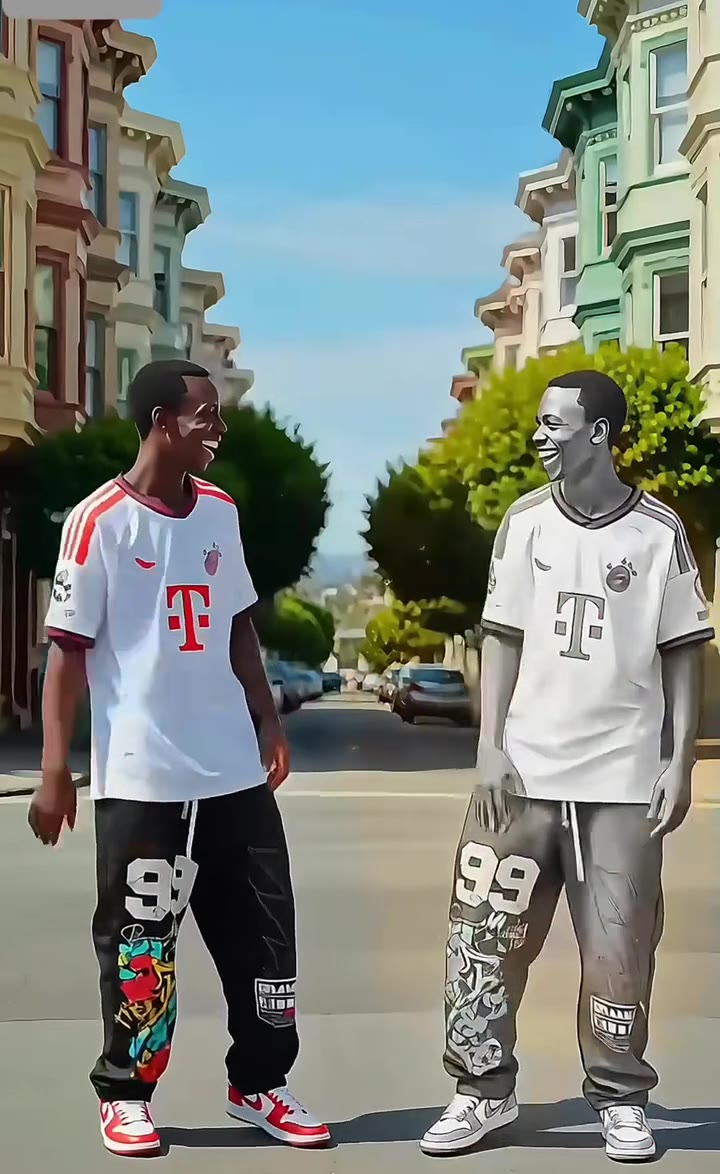
The Kakalika dance AI trend is a TikTok dance challenge to the 2025 song "Kakalika" by DopeNation, and you can do it with one photo of yourself. On videosi (videosi.io) you upload a single front-facing photo, press Generate, and get a 12-second video of you doing the bouncing Kakalika steps in a city square, with the original song already on it.
Key takeaways
- The Kakalika dance is a bouncing, knee-lifting groove with side steps and arms thrown up on the beat, set to a song by the Ghanaian twin duo DopeNation.
- One clear, front-facing photo is enough. Your face, hair and clothes come from that photo, and the steps come from a reference clip.
- A Standard 720p video of 12 seconds costs 10 credits, and Single is $8.90 for 10 credits. A failed, timed-out or blocked render returns its credits.
- The video is an AI-made look-alike, not a recording of you, so turn on the AI-generated label when you post it.
In this guide
- Who made the Kakalika song, and what is the DopeNation background?
- How did the Kakalika dance spread?
- Why do footballers keep doing the Kakalika dance?
- How do I take a good photo for the Kakalika AI video?
- What happens in the 12 seconds?
- How is the AI video different from filming it myself?
- Can I make it on my phone?
- How do I post it on TikTok with the AI label?
- What about copyright and the original sound?
- What happens if the render fails?
- Where can I keep reading?
Who made the Kakalika song, and what is the DopeNation background?
"Kakalika" is a 2025 song by DopeNation, a Ghanaian twin duo made up of B2 and Twist. The music video was published on 5 November 2025, and TikTok lists most dance clips under the sound "Kakalika". Some creators use their own original sound of the same track instead.
The word itself is not fully explained. One lyrics site describes it as a small creature that keeps scuttling along, a symbol of persistence, but the exact origin of the word is unconfirmed. videosi is not affiliated with DopeNation, and the AI video only reuses the sound so you can post it with the same song.
How did the Kakalika dance spread?
The challenge started in Ghana and then moved to the rest of the world through TikTok. The earliest big Kakalika dance clips we found are from January 2026, and no single original dance post is identified, so the creator of the dance is unconfirmed.
As of 19 November 2026, several clips under the Kakalika sound are above 2 million views and one is above 15 million. videosi rates the trend as past its peak but still active.
Why do footballers keep doing the Kakalika dance?
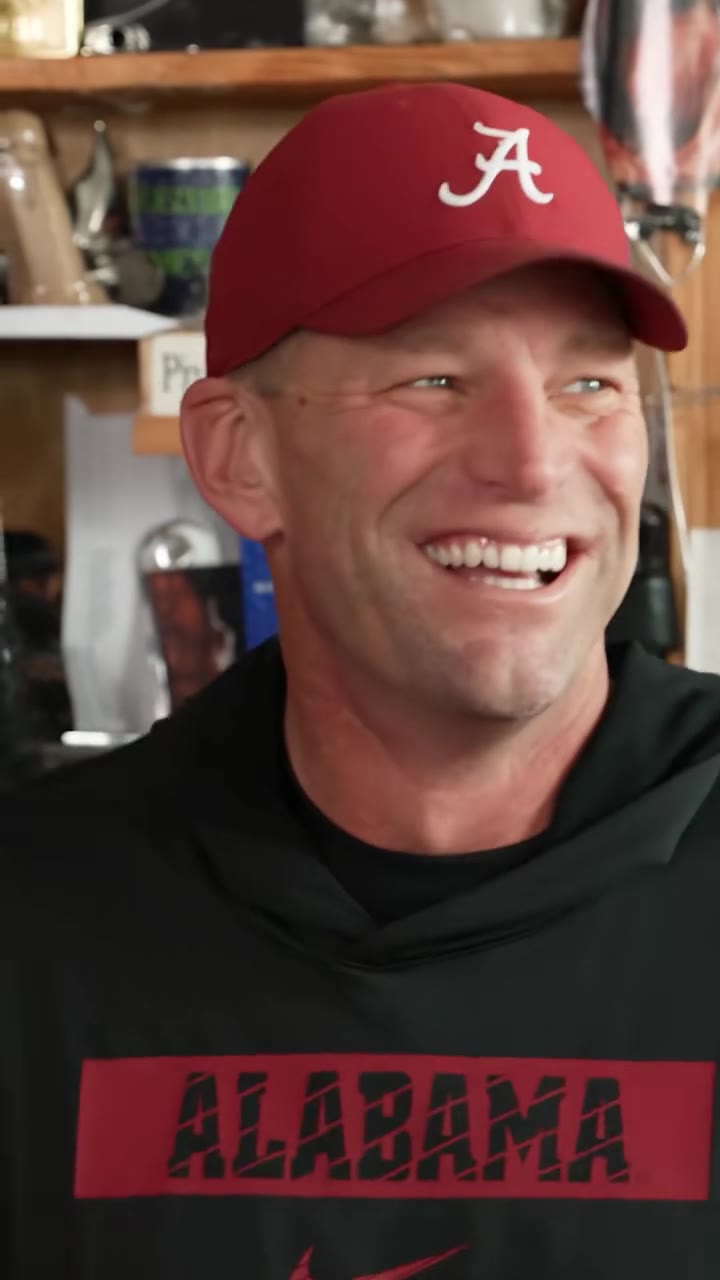
Football players helped the trend travel. PSG's Doué and Hakimi, Everton's Thierno Barry and Sturm Graz players posted their own versions.
The AI video is not a way to put a famous player in a clip. It shows the person in your photo, and it is only for people who agree to appear in it. If you want a football feel, one of the example clips on the Kakalika page is a pitch warm-up, and you can dress in a kit in your own photo because your clothes carry over into the dance.
How do I take a good photo for the Kakalika AI video?
The best photo is sharp, front-facing and shows most of your body, with nothing covering your face. The reference clip is filmed low and wide, so the AI needs to see your build and your outfit to keep them steady for 12 seconds.
- Show your whole face. Sunglasses, hats and a tiny face in the frame make the likeness drift.
- Wear what you want to dance in. Your clothes in the photo are the clothes you dance in, whether that is a jacket, a shirt or a tracksuit.
- Use one person only. A group photo confuses who should be dancing.
Pets are not supported on this page, because the dance needs a person with arms and legs. If a friend wants a version, use their photo only with their permission.
What happens in the 12 seconds?
The clip follows the reference dance in four short parts. In the first three seconds you settle in with small side steps and shift your weight. From three to six seconds the groove picks up, with bouncing knee lifts and quick foot swaps to the beat.
From six to nine seconds you lean into the steps and throw both arms up, then swing them to the side. In the last three seconds the steps get wider, with a kick and arms raised again, and the clip loops back to the start, which helps it replay cleanly on TikTok and Reels.
The square, the camera angle and the choreography come from the reference clip. You cannot pick a different dance on this page, and only the dancer is replaced by you. The passers-by and the red-brick building behind stay as they are in the reference.
How is the AI video different from filming it myself?
Filming gives you a real recording. The AI video gives you a look-alike with no practice and no square to film in.
A few differences are worth knowing before you generate:
- Your steps follow the reference clip and cannot be changed.
- Likeness is not guaranteed, and a second photo can give a different result.
- The model, Seedance from ByteDance, renders the video without sound, and the original Kakalika audio is added afterwards in sync with the steps.
- You do not write a prompt. A text prompt alone in a general video tool rarely reproduces the exact steps and their timing against the song.
If you already know the dance, film it. If you want to see yourself in it with no practice, the Kakalika AI page does it from one photo.
Can I make it on my phone?
Yes. videosi is a website, so you can pick a photo from your camera roll, press Generate and download the MP4 on the same phone. Choose 9:16 if you plan to post to TikTok, Reels or Shorts, or 1:1 or 16:9 for other places.
For a similar one-photo dance, see AI dance or the gas station dance AI meme.
How do I post it on TikTok with the AI label?
Download the 12-second MP4, upload it in TikTok, and turn on the AI-generated content label before you publish. TikTok asks for this label on realistic AI video, and it keeps your account on the right side of the rules. Platform rules change, so check the current guidelines in the app.
The video already has the Kakalika sound on it. You can also add the sound from TikTok's library inside the app, which lets your post appear under the Kakalika sound page.
To see which other formats are moving this week, check what is trending, and come back to the Kakalika dance AI page when you are ready to generate.
What about copyright and the original sound?
The song belongs to DopeNation and their label, not to videosi. The finished video comes with the original Kakalika audio added after the render, so check the music rules of the platform you post on. Most platforms let you use sounds from their own library, which is the safest route for public posts.
Whether a particular platform or region limits the use of this track in AI videos is unconfirmed. If you post commercially, for a brand or a paid campaign, ask the rights holders first. For personal posts, the platform library sound is the usual choice.
What happens if the render fails?
A failed, timed-out or blocked render returns its credits automatically, so you do not pay for a clip you never got. A Standard 720p video costs 10 credits, and Single is $8.90 for 10 credits. Higher tiers cost more credits, and there is no free tier.
If the clip renders but the face does not look like you, that is not a failure by itself, so no credits come back. Swap the photo for a sharper, front-facing one and try again. The most common cause is a photo with a hat, sunglasses or a very small face.
Where can I keep reading?
- AI dance, a dance video from one photo.
- Gas station dance AI, another dance meme you can star in.
- What is trending this week, newest first.
If you want the clip rather than the reading, open the Kakalika dance AI page, upload one photo, pick your format and download your 12-second dance with the song already on it.