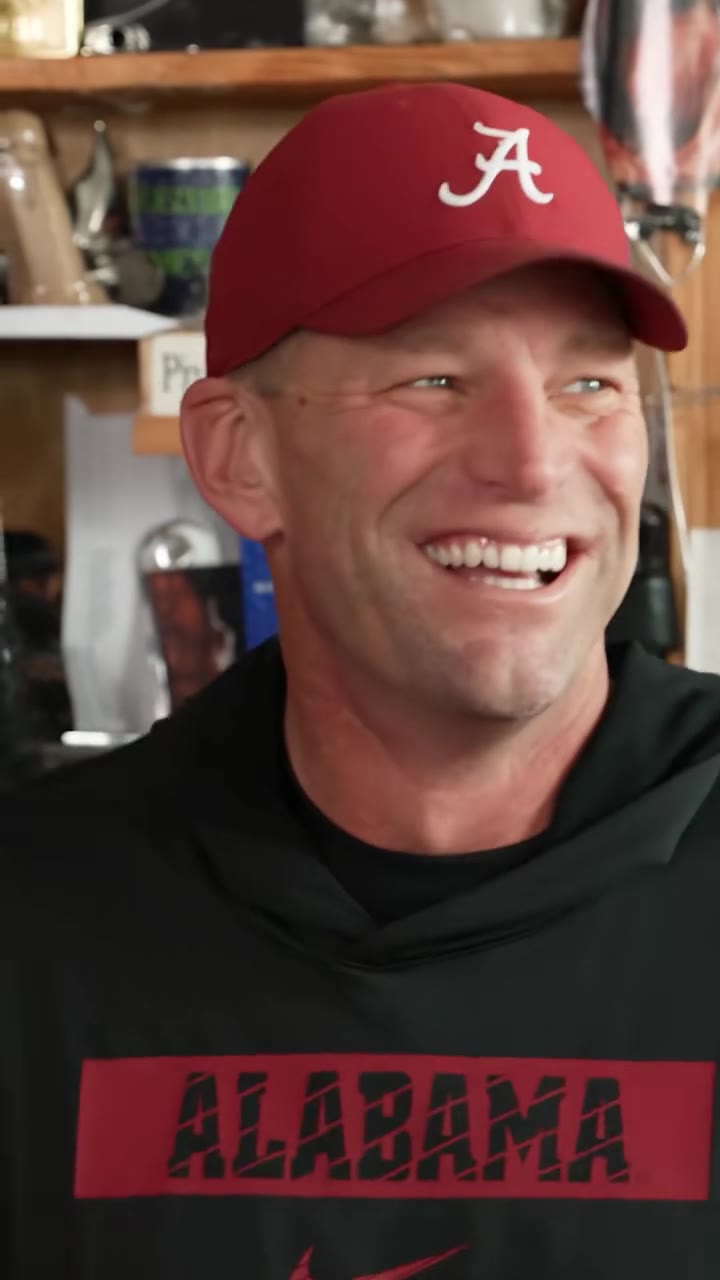
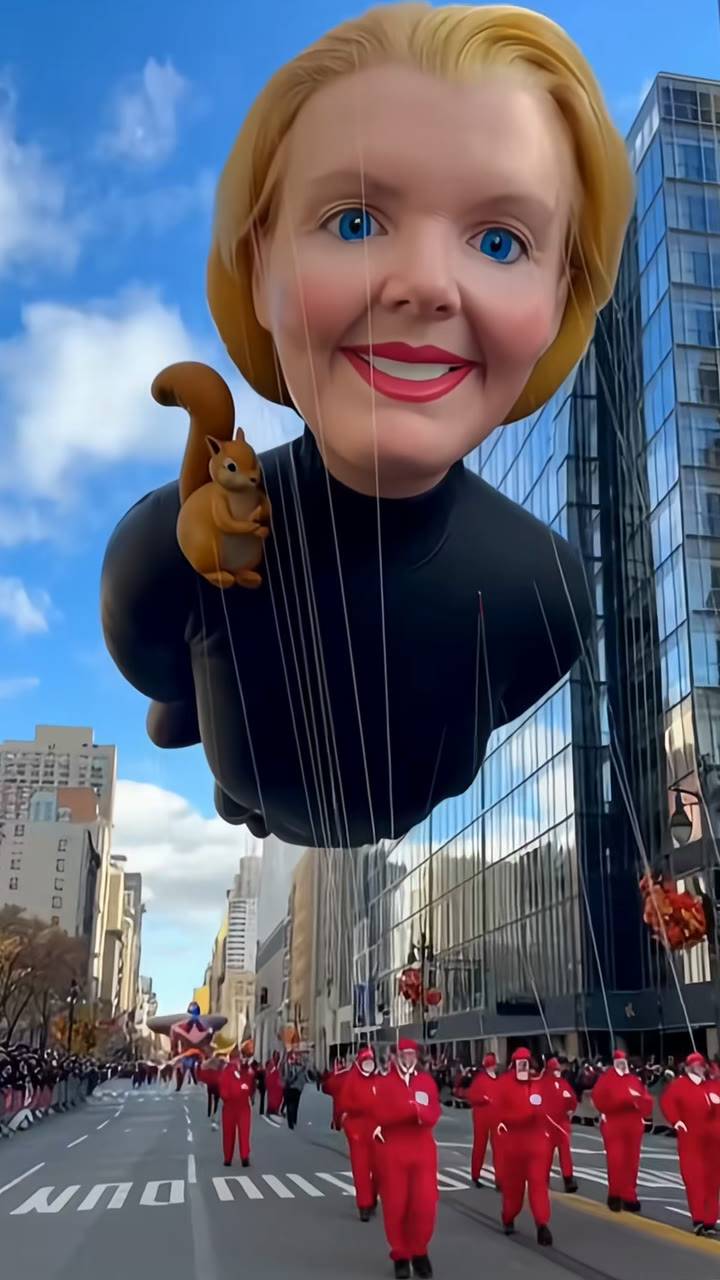
The Hot Chick ice cream scene is a short comedy moment from the 2002 film The Hot Chick, where a customer tastes the whipped cream on a free shake at a shop counter. You can make your own version with AI by uploading one photo to videosi (videosi.io), which renders a new 15-second scene with you in the role and the film's sound on top. The Hot Chick ice cream scene AI page does it with no prompt: you choose the photo and the format, and the reference clip does the rest.
This guide goes past the basics. It covers the film behind the clip, how the scene is built, why a close-up is a hard job for a face swap, how to choose a photo, how to handle labels and consent, and how to judge an early trend before you spend time on it.
Key takeaways
- The Hot Chick ice cream scene is a short 2002 film moment of a customer tasting whipped cream on a free shake, and videosi remakes it with you from one photo.
- The result is 15 seconds, in 9:16 or 16:9, with the film's original sound laid on top.
- Close-ups make likeness hard, so a clear, front-facing photo does most of the work.
- It costs 13 credits at Standard 720p, and a failed render returns its credits.
- The trend is early: film clip copies date from January 2024 and no AI remake wave has been found yet.
In this guide
- What is the story behind The Hot Chick, and why does this scene get reposted?
- How is the ice cream scene put together?
- Why does the joke work, and what has to survive in a remake?
- Why is a face swap hard in a close-up scene?
- How do I choose the photo for this scene?
- What exactly does the AI change, and what does it leave alone?
- How much does one video cost, and when should I use a higher tier?
- Should I label the video as AI, and what about consent?
- How do I tell whether an early trend like this is worth making?
- What is the quickest way to make one?
What is the story behind The Hot Chick, and why does this scene get reposted?
The Hot Chick is a 2002 American comedy built on a body-swap premise. Rachel McAdams plays Jessica, a high-school student who wakes up in the body of a petty thief played by Rob Schneider, so for most of the film Schneider is on screen while the character is still the teenager. Much of the humor comes from that mismatch between who people see and who the character really is.
The ice cream shop scene works as a standalone clip because it needs no plot. You do not have to know who anyone is. A person is handed a free shake, takes it seriously, and the people nearby react. That is why short copies of it travel on their own, away from the rest of the film.
How is the ice cream scene put together?
The scene is a small piece of staging. It opens wide on the shop, with the counter, the shelves of colourful bottles and the clerk in a yellow cap. Then it moves in: two girls whisper beside the counter, tall shakes with whipped cream are set down, and the customer takes his cup in both hands.
After that the scene is mostly close-ups. The customer tastes the cream from the top, then from a fingertip, and the camera cuts away to the clerk's side-eyed reaction before coming back. The last cuts hold the delighted expression and the clerk looking on. On the trend page this is laid out as a five-part beat table, from the counter to the final reaction, across 15 seconds.
Why does the joke work, and what has to survive in a remake?
The joke is a mismatch of scale. A free shake is a tiny thing, and the customer treats it like an event. The laugh comes from his sincerity and from the clerk, who is the audience inside the scene. If either side goes missing, the clip is just a person eating cream.
For a remake, that means three things have to stay: the pacing of the cuts, the face doing the tasting, and the clerk's watching presence. Everything else, including the shop details, can be approximate. This is also why the Hot Chick ice cream scene AI page keeps the original framing and timing from a reference clip and only swaps the person.
Why is a face swap hard in a close-up scene?
Close-ups remove the places a model can hide mistakes. In a wide shot, a face is a few dozen pixels and small errors read as style. In a close-up, the face fills the frame, the mouth is moving, and a fingertip is entering the shot. Four things go wrong most often.
First, the likeness drifts between cuts, because each cut is a new camera angle and the model has to rebuild the same face from your photo. Second, the original actor's features can linger when the photo is small or dark. Third, hands and the cup are where invented detail appears first, such as an extra finger or a cup that changes shape. Fourth, hats and sunglasses change shape from shot to shot.
None of this means a result is bad. It means a first take is a draft, and a retry is a normal part of the process. The page itself says some takes look better than others.
How do I choose the photo for this scene?
Treat the photo as the only source of truth about you, because it is. The scene's framing comes from the reference clip, and the face, hair and build come from your photo, so every flaw in the photo is repeated in every cut.
Pick a front-facing photo with even light and the whole face visible. If your shoulders are in the frame, the model has a top to dress you in instead of inventing one. Keep your hands out of the picture, since the hands are the busiest part of the scene. Skip hats and sunglasses. A photo of one person works best, and a pet photo is not recommended because the scene is built around a person tasting a shake with a finger.
What exactly does the AI change, and what does it leave alone?
Only one person is swapped. The prompt replaces the man holding the shake with you, and it leaves the shop, the clerk and the other customers as they are. The camera and the cuts come from the reference clip, so you cannot move the camera or redesign the shop.
This is a deliberate narrow job. A model asked to rebuild the whole room invents a generic ice cream shop and loses the timing that makes the clip funny. A model asked to change one face keeps the comedy intact. The finished video is a newly generated 15-second scene, not the film's footage, and it carries the film's original sound laid on top, so it sits comfortably next to the clips people already post. The full prompt is not published.
How much does one video cost, and when should I use a higher tier?
On videosi, the video costs 13 credits at Standard 720p for the 15-second clip, and the exact number is shown before you press Generate. Higher tiers cost more credits. Credits never expire and a failed render returns its credits.
A sensible order is to start on the Standard tier. For a close-up scene, move up only if the likeness is the problem, since the higher tiers hold a face more steadily across cuts. If the problem is the photo, a better photo is cheaper than a better tier.
Should I label the video as AI, and what about consent?
Yes. A clip of you in a film scene is plainly a made-up video, and the platforms increasingly ask for a label. Tick the AI label where the app offers one and say so in the caption. It costs nothing and it avoids confusion.
Consent matters more when the photo is not yours. Use your own photo, or a friend's photo only with their agreement. Do not use a stranger's picture, and do not use a photo of a child you do not look after. The scene is a light comedy bit, so keep what you make light as well. The result should be a joke about you, not about someone who did not ask to be in it.
The trend page repeats the same advice in its FAQ: one person per photo, a friend with consent, and an AI label where the platform asks.
How do I tell whether an early trend like this is worth making?
This one is early, and the page says so. Copies of the film clip have been on TikTok since at least 3 January 2024, and one repost from July 2024 reached about 1.3 million views. We first saw searches for the phrase rise on 11 November 2026, and no wave of AI remakes has been found yet.
That combination is an honest signal and an incomplete one. There is proven interest in the original clip, and there is no crowd of remakes to compete with. It is also unproven: nobody has shown yet that people want to see themselves in it. A reasonable test is cheap. Make one video, look at it, and post it with the original sound. If it earns a reaction, the trend is yours to lead. If it does not, you have lost one render.
Three questions help: does the original clip stand alone without context, does the scene need a single person you can swap, and is the original sound part of the joke? This scene answers yes to all three.
What is the quickest way to make one?
Open the Hot Chick ice cream scene AI page, upload one photo, choose 9:16 for TikTok, Reels and Shorts or 16:9 for the wide shop framing, and press Generate. The 15-second scene renders in a few minutes, you can close the page meanwhile, and the MP4 downloads without a watermark with the scene's sound already on it.
There is no prompt to write. The reference clip and the swap instruction are built in, so the only decisions you make are the photo and the format.