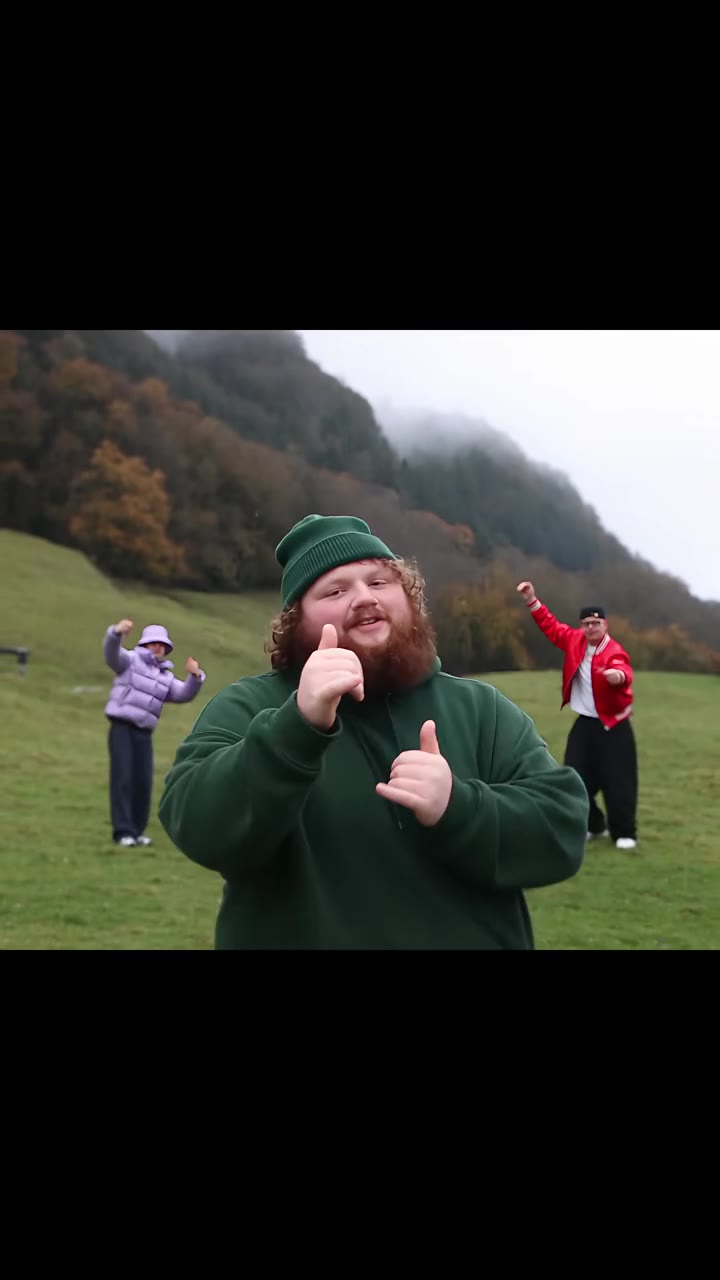
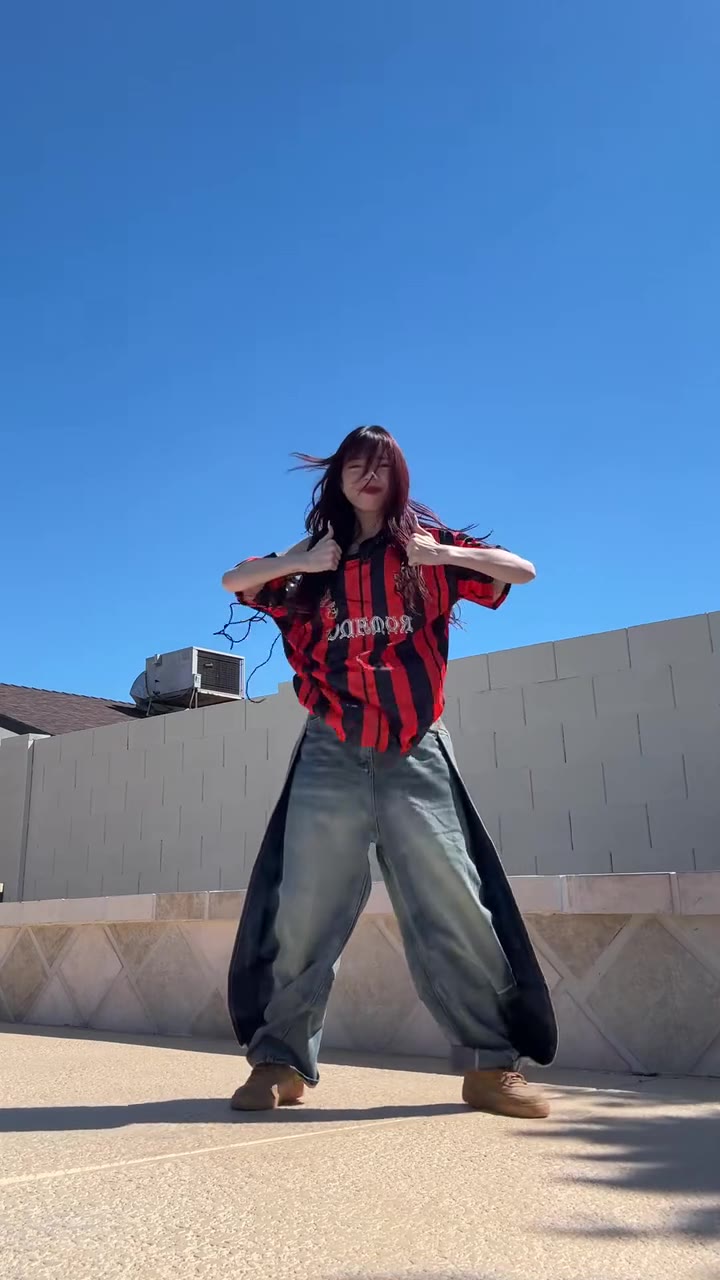
The hippo pathway what if trend is a TikTok meme, also called the giant pop star trend or "what if a pop star was 100 times taller": a giant blonde pop star towers over a city and shrinks with every beat, and you can make your own 15-second version from one photo. It is not about the Hippo signalling pathway from biology, which only shares the name. The simplest route is the hippo pathway what if page, where you upload a photo and get an MP4 with the trend sound already on it.
This guide goes past the basics: how the trend relates to the 3D "what if" series, how to spot AI clips, which photo to use, why the video runs 15 seconds, and what the biology name means. The character is a 3D animation, not a real person, and her name is not given in the clips. The earliest big post we found is a TikTok from 2026-10-07 by the account man_ia_c with about 7 million views, and we did not verify whether it was the first.
Key takeaways
- The character is a 3D animated pop star, not a real person, and the song title "Hippo Pathaway (What if?)" has no confirmed official release.
- The 3D version shrinks by 11% per beat from 541 ft; pasted versions are filmed places with a cut-out added.
- Use one sharp front-facing photo with face and upper body in view.
- Label the post as AI-generated. A 15-second video costs 13 credits (Standard 720p), and credit packs start at $8.90 for 10 credits.
In this guide
- How does the hippo pathway what if trend relate to the 3D what-if animation series?
- How can I tell a 3D or AI hippo pathway video from a filmed one?
- What is the difference between the photo-based version and a pasted real-person version?
- What are the ways to make a hippo pathway what if video yourself?
- Is it okay to use the pop star character, and should I label the video as AI?
- Which photo and camera angle work best for the giant pop star video?
- Why is the video 15 seconds long?
- Can I make the video on my phone?
- What does "hippo pathway" mean in biology, and why is it in the trend name?
How does the hippo pathway what if trend relate to the 3D what-if animation series?
The trend grew out of a style of short 3D animation built around a "what if" question on screen, with a counter that changes as the clip plays. In the pop star version, text asks what would happen if a giant pop star shrank with every beat, and she loses 11% of her height each beat from 541 ft until the street towers over her. The fixed ingredients are the gold sequin dress, the skyscraper avenue, a handheld microphone and the counting caption.
Once that format got millions of views, people copied the character rather than the animation. That is why you now see two families: the original 3D "what if" clips, and filmed clips where the same woman is pasted into a parking lot, a lake or an aeroplane window. The hippo pathway what if page is built on the 3D family, because that is the one with a clear 15-second shape.
How can I tell a 3D or AI hippo pathway video from a filmed one?
Start with the lighting. In the 3D clips the city is clean and evenly lit, the cars look like toys and the camera moves in a smooth, perfect line. In filmed versions, the giant woman is a cut-out on top of real footage, so her edges, shadows and colour often do not match the street or the water behind her.
Then check the text. The original animated clips carry a height counter that falls beat by beat, while the pasted versions usually carry a caption like "who is this and why is she so tall?". A clip with no text at all can be either, so do not rely on one signal. The only dependable answer is the label the creator puts on the post, which is one reason to label your own AI videos.
What is the difference between the photo-based version and a pasted real-person version?
A pasted version needs two things you have to supply: a cut-out of the giant woman and your own footage. You then edit them together, match the scale by eye and add the sound. It gives you a real location, but it takes time and the result often looks like a sticker on a video.
The photo-based version works the other way round. You give one photo of yourself, and the video swaps you in for the giant pop star inside the original city scene. You keep the skyline, camera move and shrinking timing, but you do not choose the place. If you want your own street, the pasted route is still the right one. If you want a finished 15-second clip in a few minutes, the photo route is faster.
What are the ways to make a hippo pathway what if video yourself?
There are three realistic routes. First, manual editing: in a video editor you cut out the giant woman, place her over your footage and key the scale down with the beat. It gives full control but takes the most skill. Second, a general AI video tool where you write your own prompt; results vary, and the shrinking effect is a scale change over time that models often flatten into one fixed size. Third, a dedicated page such as the hippo pathway what if generator, where you upload one photo, pick 9:16, 1:1 or 16:9, and press Generate with nothing to write.
On videosi the model gets your photo plus the trend clip as a motion reference, so the shrink, the city and the camera come from the reference and the person comes from you.
Is it okay to use the pop star character, and should I label the video as AI?
We do not know who made the original character, and the clips do not give her a name, so treat the character as someone else's work. A safe habit is to make the video about yourself, use your own photo or a photo of someone who agrees to appear, and avoid using the clip to imply anything about a real celebrity. Do not use the video for ads or products that suggest an endorsement.
Always turn on the AI label when you post. TikTok, Instagram and YouTube all have a disclosure setting for AI-generated or altered content, and using it keeps your post clear for viewers. It also protects your account if a moderator looks at the clip. This is general platform practice, not legal advice, and rules differ by country.
Which photo and camera angle work best for the giant pop star video?
You are a small figure in a wide city shot for much of the video, so the face is the first thing to go. Use one sharp, well-lit photo with your face and upper body in view, front-facing or turned only slightly. Include shoulders and waist, because the pose is hands on hips, hands behind the head, then one arm raised, and a full torso follows those moves best.
Soft daylight with no harsh shadows keeps skin tone and hair colour steady. Crop out other people, since a second face can merge into the one giant figure. A photo taken from a little below eye level suits the idea well, because the character looks down the avenue. Avoid heavy filters, sunglasses and wide-angle selfies that bend the face.
Why is the video 15 seconds long?
The reference clip has four clear beats, and they fit in about 15 seconds. The giant stands at full height with hands on hips for the first few seconds. Around the middle she puts her hands behind her head and sways, then lifts one arm and sings as the counter drops past 270 ft, 190 ft and 135 ft. In the last stretch she is shorter than the towers, rain starts and the street fills the frame.
That arc is the joke, so a shorter clip would cut the shrink off. A longer one would repeat the dance. Fifteen seconds is also a good length for TikTok, Reels and Shorts, and it matches the length of the trend sound that is attached to the video.
Can I make the video on my phone?
Yes. The trend page runs in a mobile browser, so there is no app to install. Choose a photo from your camera roll, pick 9:16 for a vertical post, press Generate and leave the page open or come back later. Rendering takes several minutes, and the finished MP4 waits in your account.
The file has no watermark and the trend sound is already on it, so you can upload it straight to your social app. The cost is 13 credits for a 15-second video at Standard 720p, and credit packs start at $8.90 for 10 credits. A failed or blocked render returns its credits automatically.
What does "hippo pathway" mean in biology, and why is it in the trend name?
The Hippo pathway is a real signalling pathway in cells. A 2011 review in Nature Cell Biology by Zhao, Tumaneng and Guan describes it as a kinase cascade that limits organ size by switching off the growth co-activators YAP and TAZ. When it is active, cells grow less and die more; when it is off, tissue can overgrow. In mice, extra YAP in the liver makes the organ larger, and sustained overexpression can lead to tumours. A 2015 review in Cell by Yu, Zhao and Guan extends the story to tissue maintenance and cancer.
The link to the trend is a pun about size. A pathway that controls how big an organ gets is a neat joke for a woman who is hundreds of feet tall, and the first clip asked what it would be like if a pop star were 100 times taller. We found no statement from the creators about their intent, so treat it as our reading. The song title "Hippo Pathaway (What if?)" is how creators label the sound, and we found no confirmed official release.
Sources
Biology background: Zhao, Tumaneng and Guan, Nature Cell Biology, 2011 and Yu, Zhao and Guan, Cell, 2015. Trend facts come from our own checks on 2026-11-13. To make your own, open the hippo pathway what if page, or see what is trending this week.