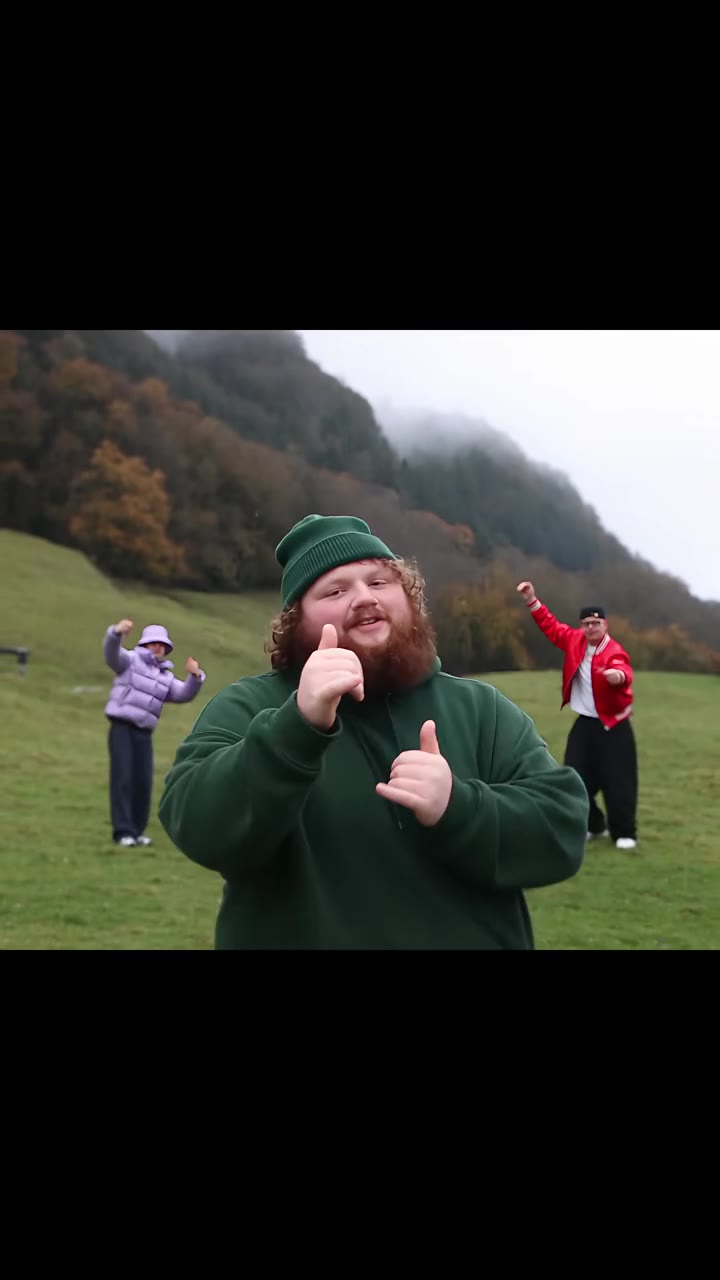
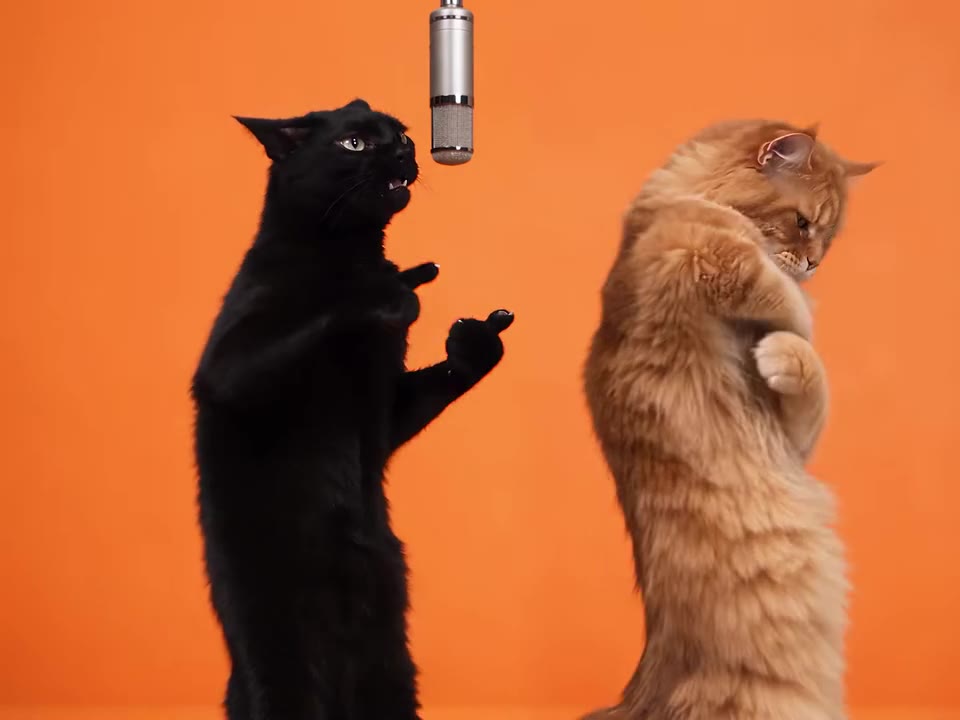
The dugun oyunu AI trend is a 15-second Turkish wedding halay in which a line of dancers kicks to drum and zurna behind a leader with a handkerchief. On videosi you make it from one photo of yourself, with no prompt, and you take the leader's place at the front.
This guide goes deeper than the FAQ on the trend page. It covers what the halay really is, how it differs by region, what the handkerchief and the instruments mean, why the world leaders clip spread, and how to get a clip that looks like you.
Key takeaways
- Düğün oyunu means wedding dance, and halay is the best known of those dances.
- Halay is danced by Turks, Kurds and others, and it varies by region; the clip shows one version.
- The viral AI clip dates from 20 October 2026 and reached about 5.4M views.
- videosi never makes real politicians: every original face is replaced by your photos or ordinary guests.
- A 15-second Standard 720p video is 13 credits, and the first video on an account costs 10.
In this guide
- What kind of dance is the halay?
- Why is it called dugun oyunu and not just halay?
- How does the halay differ from region to region?
- What does the handkerchief mean, and who leads the line?
- What are the davul and zurna in the music?
- Why did the world leaders version go viral?
- Can I make a politician dance the halay on videosi?
- How do I make the video look like me?
- Should I choose the wedding hall or the courtyard?
- How can I use it with a WhatsApp wedding invitation?
- What does a dugun oyunu AI video cost and what do I get?
What kind of dance is the halay?
Halay is a family of line and circle dances, and Wikipedia calls it the national dance of Turkey. Dancers form a row or ring and hold each other by the fingers, hands or shoulders, then step, dip and kick in time with the music. It is danced at weddings and other festivities, which is why the AI clips are set in wedding halls and courtyards.
The word is Turkish, but the dance is shared. The same article notes that Turks, Kurds, Arabs and Asia Minor Greeks all dance versions of it, and that Kurds often call this type of dance govend or dîlan. The dugun oyunu clip is one specific halay, so it is a good picture of the style but not the whole tradition.
Why is it called dugun oyunu and not just halay?
Düğün means wedding and oyun, in this context, means a folk dance, so düğün oyunu is simply the wedding dance. Halay is the best known of those dances, which is why people use the two words almost interchangeably when they talk about the trend. Search habits follow that: some people type dugun oyunu AI, some type AI halay, and some type the Turkish spelling with accents.
For that reason the dugun oyunu AI page on videosi lists all of those spellings. The page and the clip are the same thing whichever word you search with.
How does the halay differ from region to region?
The short answer is that it varies a lot, and the trend clip shows only one version. According to the Halay article on Wikipedia, the name is traced to Khalái, a Pontic Greek dance that appeared in Cappadocia in central Anatolia in the early 20th century. Variants then spread to places such as Sivas, Çorum and Kayseri. A similar dance in Azerbaijan is called yallı, and the article lists regional forms such as Dunnik, danced by Kurds, and Halabi, danced by Turks, Kurds and Arabs.
The origin of the word itself is uncertain, so treat any single origin story with care. What matters for the video is that the steps in the AI clip follow the reference footage. You do not pick a regional variant, and a dancer from a village tradition may spot differences from the way their own family dances. If regional accuracy matters to you, say so in the caption and treat the clip as a fun portrait, not a lesson.
What does the handkerchief mean, and who leads the line?
In the halay the person at the front sets the pace, and the article on Wikipedia says the first and last dancers may hold a handkerchief called a mendil. In everyday Turkish the lead dancer is often called the halay başı, the halay head. They wave or swing the cloth, throw an arm up and decide when the line turns or speeds up, while the others follow with the same steps.
That is why the videosi version puts you in that spot. Photo 1 becomes the leader at the front with the handkerchief, and two optional photos become the dancers holding on beside you. Being the leader is the whole joke: the person people recognise is the one leading the whole wedding hall.
What are the davul and zurna in the music?
The sound that makes the clip feel like a Turkish wedding is a drum and a reed pipe. The davul is a large double-headed drum played with a thick stick on one head and a thin switch on the other, which gives a deep bass beat with a sharp treble tap. The same article says that in Turkey, Armenia and Azerbaijan it is most commonly played with the zurna.
The zurna is a loud, high-pitched double-reed instrument. Wikipedia notes that its steady volume is poor at marking rhythm, so it is almost always played with big drums such as the davul, and it names weddings and public celebrations as typical settings. Dancers step on the drum and the pipe carries the tune. Fast halay clips on TikTok sit on exactly that pairing, though no single named track has been confirmed for the trend.
Why did the world leaders version go viral?
It combined three things that spread easily: a dance everyone in Turkey recognises, faces everyone recognises, and a joke that needs no translation. A clip posted on 20 October 2026 showed three world leaders in suits dancing a halay in a wedding hall. It reached about 5.4M views, and the same account followed with courtyard and stone-house versions.
Once the format was clear, other creators swapped in cats, cockroaches and footballers. The idea is older than this wave, because earlier AI halay and govend clips exist from at least December 2025, so the October clip is the start of this wave, not a confirmed first post. As of mid-November 2026 the trend is still emerging.
Can I make a politician dance the halay on videosi?
No. videosi does not make videos of real political figures. Every face in the original clip is replaced, either by a person from your photos or by an ordinary adult wedding guest, so nothing of the three original faces remains in your result.
The model can also refuse photos of famous people, so uploading one is not a workaround. The version that works is the simple one: you, plus up to two friends who agree to appear, in the same hall with the same music. If you want the humour of a famous line-up, a pet or a mascot photo is a safer idea than a real person.
How do I make the video look like me?
Likeness is the hardest part of any wide dance shot, because the dancers are seen full length and faces are small. Start with a sharp, front-facing photo in even light, with no sunglasses, no heavy filters and no group crop. Use a photo with only you in it, with your face large and in focus.
If a friend takes the middle or right place, give them their own photo and make sure they said yes. If you leave photos 2 and 3 empty, the other dancers are ordinary AI adults, not people you know. And if the first render drifts in a turn, try a better photo before you re-roll the same one. Failed renders return their credits, but a weak photo is not a failure, it is a weak input.
Should I choose the wedding hall or the courtyard?
Both versions are the same 15-second halay with different scenery. The wedding hall has a marble floor, a tree and a handheld camera that backs away, and the leader swings the handkerchief in a clear flourish. The courtyard version sets the line in an apartment courtyard among potted plants, with the dancers linking little fingers and raising their arms to the shoulders.
Pick the hall if you want the original look that people recognise from the viral clip. Pick the courtyard if you want something closer to a street or family celebration. Either way the halay music of the version you choose is mixed into the video, so you can post it as it is.
How can I use it with a WhatsApp wedding invitation?
The clip is a 15-second vertical-friendly video, so it travels well in a chat. A couple can put themselves at the front of the line as the halay leader and send it next to the invitation as a playful teaser. A friend group can do the same for a bachelor party or a henna night chat, with the closest friends as photos 2 and 3.
Keep the tone obvious. Say it is an AI video in the message, so older relatives do not read it as real footage, and ask anyone you put in it before you send it. Download the file from videosi and post it yourself to WhatsApp, TikTok or Reels, since we found no official TikTok filter for the trend.
What does a dugun oyunu AI video cost and what do I get?
A 15-second video on Standard at 720p costs 13 credits, and an account's first video costs 10 credits. A pack of 10 credits is $8.90, credits do not expire, and a failed render returns its credits. Better models and higher resolutions cost more.
For that you upload one to three photos, pick a scene and get a clip in a few minutes. Open the dugun oyunu AI page to see the samples first, then decide whether it is worth a try.