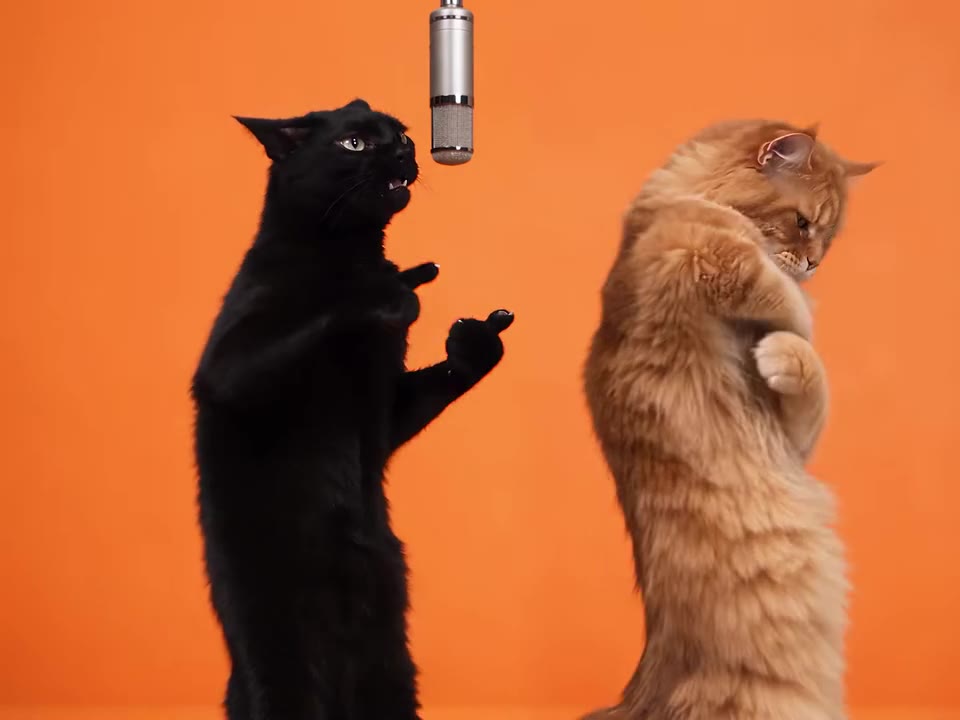
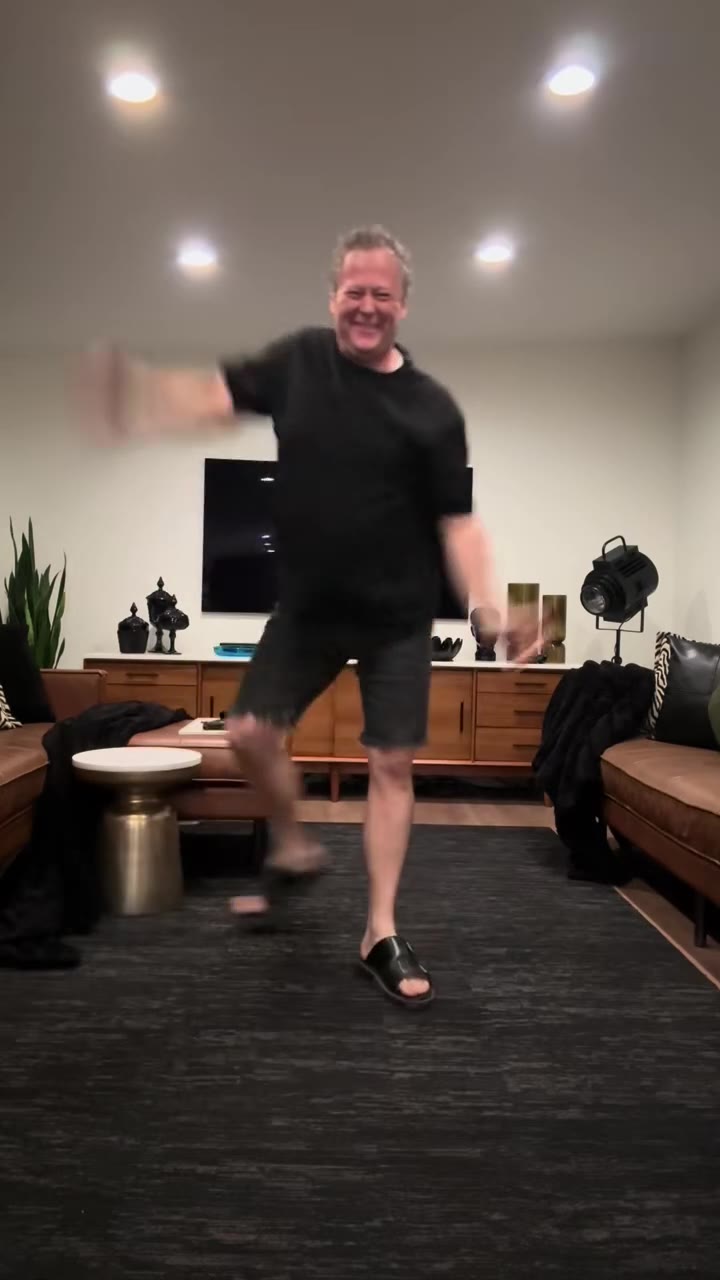
The ducking dodging dance AI page turns two photos into a 15-second two-person routine, with both of you ducking, dodging and swapping places to the "Im Ducking Im Dodging" remix. You upload the photos and press Generate, with no filming, no prompt and no editing app.
This guide goes deeper than the FAQ on the trend page. It covers where the sound comes from, how the routine works beat by beat, which photos to use, why results sometimes go wrong, how to post an AI clip honestly, and how this trend differs from the Indian Om Movie edit.
Key takeaways
- The trend is a Western two-person TikTok dance to a popular TikTok remix, not the Indian Om Movie nine-grid.
- Two sharp front-facing photos, with photo 1 as the left dancer, give the best result.
- Fast spins and passing arms are where hands blur, and a retry usually fixes it.
- The sound can still be muted or claimed by a platform, and the video should be labeled as AI-made.
- A 15-second video is 13 credits at Standard 720p, and a first video is capped at 10 credits.
In this guide
- Where does the sound come from and what does the lyric mean?
- How does the two-person routine work, step by step?
- Which photos work best for two people?
- Does it work for a couple, friends or siblings?
- Why do the faces blend or the hands blur?
- Should I film it by hand or generate it?
- How is the AI video made?
- How should I post it and label AI video?
- Is the sound copyrighted, and can I use the video commercially?
- Is the ducking dodging dance still trending?
- Is this the same as the Om Movie or Fa Fa Fa trend from India?
- How much does it cost?
Where does the sound come from and what does the lyric mean?
The track is a popular TikTok remix titled "Im Ducking Im Dodging", credited to Chinaa Blacc and House of Evo. Its hook is a repeated "fa fa fa fa", and the line that follows, "I'm ducking, I'm dodging", gave the dance its name.
The audio has circulated on TikTok since October 2025. The lyric is not a word with a hidden meaning. It works as a rhythm: the staccato "fa" hits are where the dancers snap their hands, and the spoken line tells them when to drop and sidestep. That is why the routine feels so tightly tied to the audio, and why a version without the sound loses most of its point.
How does the two-person routine work, step by step?
The routine is about 15 seconds and is almost always filmed in one take. It follows five beats.
- 0 to 1 s, standing apart. Both dancers face the camera a few steps from each other with loose arms.
- 1 to 5 s, face-off and dodges. They turn toward each other and trade quick ducking, dodging and hand-flick moves on the "I'm ducking, I'm dodging" line.
- 5 to 8 s, arms up. Arms rise for a shimmy and mirrored hand moves, still facing each other.
- 8 to 10 s, spin and swap. One dancer spins and they pass each other, swapping sides of the frame.
- 10 to 15 s, side-by-side finish. Both face the camera and bounce, sway and hit hand-to-chest accents until the last beat.
The swap of places is the part people remember. If you film it yourself, agree in advance who ends up on which side.
Which photos work best for two people?
You upload two separate photos, one of each person. Photo 1 becomes the dancer on the left and photo 2 the dancer on the right, so order matters. Pick photos that are sharp, front-facing and lit evenly, with the face and shoulders visible and nothing covering the eyes.
Avoid hats, sunglasses, heavy filters and tight crops. A photo with more than two faces can confuse the result, because the routine has exactly two dancers. If one of you has long hair and the other short hair, or the two outfits clearly differ, the model keeps the pair easier to tell apart through the spin and swap.
Does it work for a couple, friends or siblings?
Yes. The trend was never limited to couples: the original videos show friends, siblings, couples and flatmates. The routine is a face-off and a swap, not a romantic dance, so any two people fit. Because the moves are playful and a bit competitive, friends and siblings often get the most reaction.
The only rule that matters is consent. Use photos of people who have agreed to appear, and tell them the video is AI-made before you post it.
Why do the faces blend or the hands blur?
There are two common causes. Faces blend when the model is not told which person belongs on which side of the frame. That is why a generic text prompt does not work for a duo, and why each photo has to be tied to its own dancer. Hands blur because the routine is fast: spins, passing arms and hand flicks are where video models invent detail first.
Practical fixes:
- Use two sharp front-facing photos, not one blurry group shot.
- Keep the order right, with photo 1 as the left dancer.
- Retry once. A short retry usually fixes a blurred hand, because each render is a fresh attempt.
- Do not mix in a third face. Extra people in the photo can pull the result off.
Should I film it by hand or generate it?
Film it by hand if you have a partner, a phone and ten minutes. You need a stable spot, a clear space about three steps wide, and a few takes to get the swap clean. Most real videos are shot in a parking lot, a driveway or a living room with the phone propped up. It costs nothing, and the result is truly you.
Generate it when the other person is far away, when you cannot learn the moves, or when you want to see two people who have never danced together in the same frame. The generated version does not film your street or room: it is the empty night-time parking lot of the reference, with street lights behind the dancers. If a real location matters, film it yourself. For a quick joke video, generating is faster.
How is the AI video made?
videosi uses ByteDance's Seedance video model, a 2.0 or 2.5 tier of your choice. It takes your photos plus a 15-second reference clip of the routine. The photos decide who the two dancers are: face, hair, build and clothes. The reference clip supplies only the motion, meaning the dodges, the swap of places and the final bounce.
The scene stays as the reference shows it: the empty parking lot at night, in one continuous take. Each face is kept from its own photo, so the two people do not blend. The full prompt is not published, and you do not need to write one. Press Generate on the trend page and the trend sound is added to the finished MP4.
How should I post it and label AI video?
Say it is AI-made. TikTok, Instagram and YouTube all have AI-content labels or disclosure toggles, and using them protects you if someone asks. Put "AI" in the caption as well, since a label alone is easy to miss.
Get consent from both people before you post, and do not use a photo of someone who has not agreed. Export in the format that fits the platform: the video can be 9:16 for TikTok and Reels, 1:1 for feeds or 16:9 for YouTube.
Is the sound copyrighted, and can I use the video commercially?
Treat the sound as owned by someone else. It is a remix track, and platforms can still mute or claim it on a posted video, even though it is the trend's own audio. On TikTok, using the platform's own sound library is the safest route for personal posts. For ads, brand content or paid work, do not assume the audio is cleared: swap it for licensed music instead.
The dance itself is a short routine without a confirmed author. Nobody has confirmed who choreographed it, so we do not credit one. If you post a result, avoid claiming you invented the moves.
Is the ducking dodging dance still trending?
It is past its peak. The earliest duo-dance posts we found are from 13 and 14 June 2026, and the biggest versions, with millions of views each, date from June to July 2026. As of November 2026 couples and friends still post it, but it is no longer new.
That makes it a safe, familiar format rather than a fresh one. If your goal is reach, pair it with a joke or a personal twist, such as two pets' owners, two coworkers or two siblings with matching outfits.
Is this the same as the Om Movie or Fa Fa Fa trend from India?
No, and the shared "fa fa fa" is the only link. The Om Movie edit that went around India in November 2026 is a nine-grid of AI poses cut to a Tamil film song, made in an editing app. It is a still-image collage with a song, not a dance.
The ducking dodging dance is a Western two-person TikTok routine to the "Im Ducking Im Dodging" remix. If you searched for the Indian pose grid, this is not that trend, and the ducking dodging dance AI page will not make a nine-grid. If you want two people dancing the face-off routine, you are in the right place.
How much does it cost?
On videosi a 15-second video costs 13 credits at Standard 720p. A first video is capped at 10 credits, and the Single pack is 10 credits for $8.90, so your first video is one pack. Higher tiers and 1080p cost more, and the price shows before you press Generate. A failed render returns its credits.
If you plan to make several versions, such as one for each pair of friends, larger packs are cheaper per credit. The Trio Pack is 30 credits for $17.99 and the Duo Pack is 50 credits for $29. Credits never expire, so you can spread them over a few weeks.