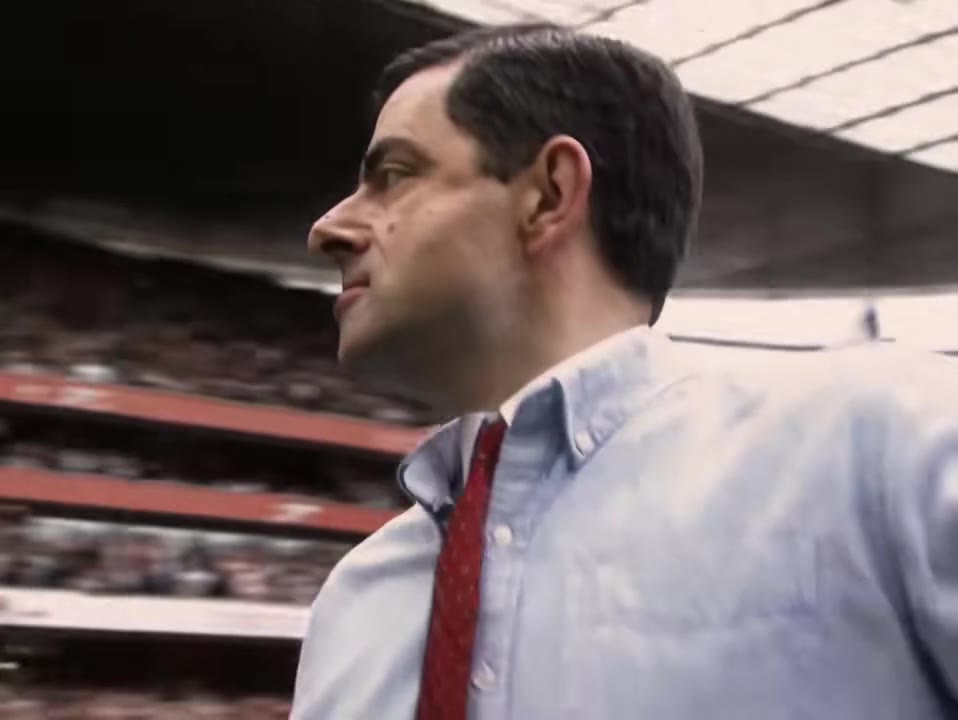
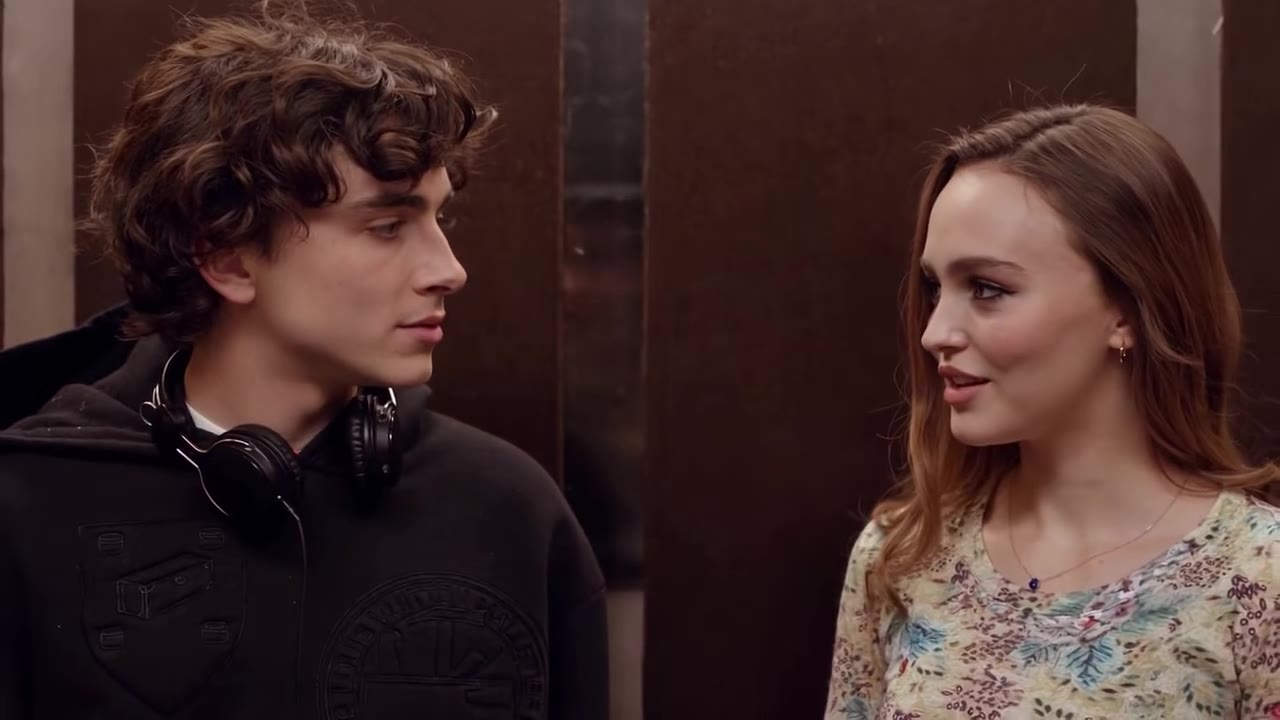
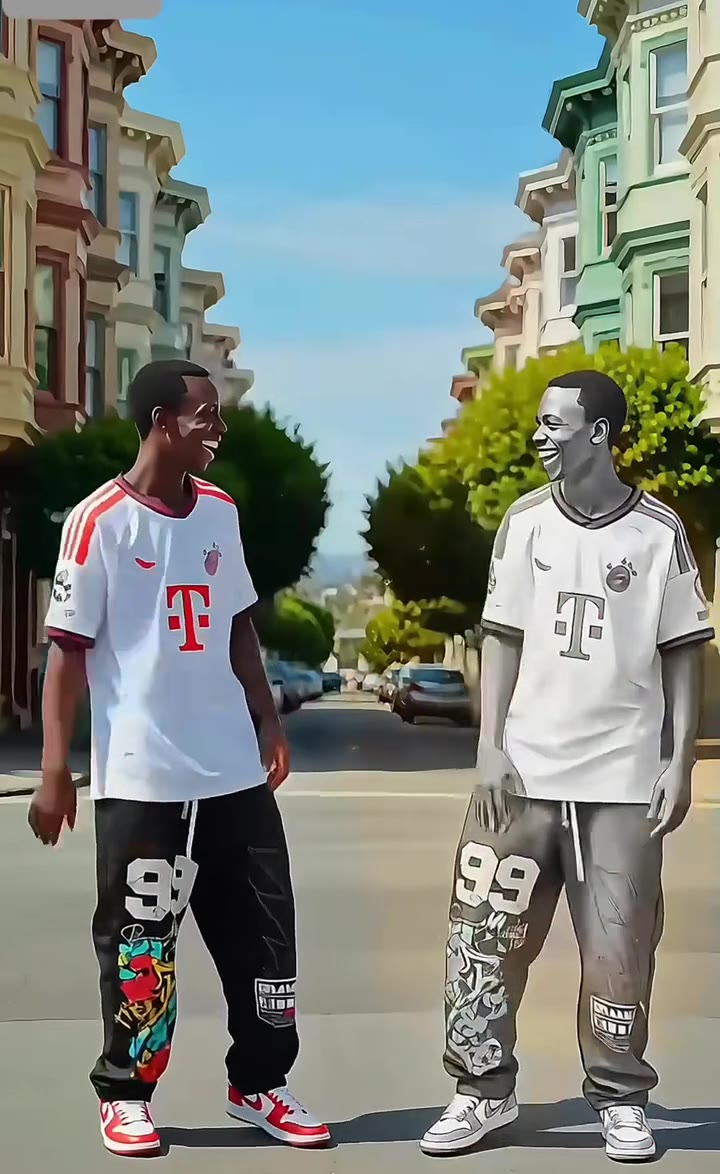
The Dip On Em AI trend is a 13-second TikTok duo dance in which two people walk toward the camera and hit the same bouncy moves side by side, set to the sound "DIP ON EM" by SouthMemphisHypeman. On videosi you make it from two photos, or one photo of you both, with no prompt to write.
This guide goes deeper than the FAQ on the trend page. It covers where the dance came from, what the song is, the moves second by second, why faces drift, how AI labels work, who you can dance with, and whether a general video model can do the same job.
Key takeaways
- The earliest remakes we found are dated 2 October 2026, and they were still being posted in mid-November; nobody has confirmed who posted first.
- The clip is 13 seconds with six beats, from a march toward the lens to a final hit held for a beat.
- It is a duo dance, so you need two adults who agreed to it: a friend, partner, sibling or twin.
- A 13-second Standard 720p render is 11 credits, and the Single pack is $8.90 for 10 credits.
- Likeness drifts most when a photo is small, dark, cropped to the face or shows sunglasses or a hat.
In this guide
- Where does the Dip On Em dance come from, and when did it start?
- What is the song, and can I use it?
- What happens second by second in the 13-second clip?
- Why do the faces drift or blend?
- Do I have to label the video as AI on TikTok?
- Can I do it with a friend, partner, sibling or twin?
- Is there a solo version, or a duo only?
- Can a general video model do this without a built-in recipe?
- What does it cost?
- Is it still trending?
Where does the Dip On Em dance come from, and when did it start?
The dance is a real one, performed by people, and the AI version copies it. The earliest remakes we found on TikTok are dated 2 October 2026. We could not identify a single original post, so we do not name a creator, and you should treat any site that names one as unconfirmed.
What we can say is how it spread. Two of the biggest clips we found, one by two friends at a gas station and one by two men in suits in a living room, each passed one million views. The living-room clip is the one the Dip On Em AI page is built on: a fixed camera at chest height, a bright room and two dancers in suits who walk in at slightly different moments.
The AI layer is the new part. Instead of filming with a friend, you supply two photos and the video model puts each person into the dance. The moves, the timing and the camera come from a real remake used as a reference, so the result still reads as the same trend.
What is the song, and can I use it?
The sound is "DIP ON EM" by SouthMemphisHypeman, as it is listed on the TikTok remakes we checked. We cannot see inside every post, so read that as how the sound was labelled in the clips we looked at, not as a statement about who owns the underlying track.
The song is a commercial recording, so the rights belong to its owners and not to you or to us. The clip videosi makes has the trend sound mixed in, taken from the same reference as the motion, so the video is ready to post as it is. If you prefer the exact sound attached to a clip you saw, you can swap it inside TikTok, Reels or Shorts.
For normal posting on the platform where the sound is offered, that is how the trend works. If you plan to put the video in an advertisement or on a channel you monetise, check the licence yourself first. This is not legal advice.
What happens second by second in the 13-second clip?
The Dip On Em AI video is built from six beats, and knowing them helps you judge a result quickly.
- 0 to 1.5 seconds: the front dancer high-steps toward the lens with loose arms while the second dancer is still turned away at the back.
- 1.5 to 3.5 seconds: the second dancer swings round and the two step forward side by side, shoulders bouncing, arms flicking out.
- 3.5 to 5 seconds: both raise their hands, wiggle them, then jump with both arms overhead and clap.
- 5 to 8 seconds: quick hand-to-head and hand-to-chest poses, a lean to one side and a swing of the arms, in time with the beat.
- 8 to 11 seconds: feet apart, knees bent, both bounce and swing their arms from side to side with the camera locked off.
- 11 to 13 seconds: one last pose together, held for a beat, then the clip ends on the beat.
Two details matter when you check your render. The front dancer is you, and the one behind joins a moment later, so the second person should look turned away at the start. And the overhead clap and the wide-stance bounce are where invented detail shows first, especially on hands.
Why do the faces drift or blend?
With two people in one clip, the model has two identities to hold at once, and it can swap or blend them. That is why each photo is tied to its own dancer in the built-in recipe: the first photo is the only source for the front dancer, and the second is the only source for the one behind.
The other causes are in the photos. A small, dark or grainy picture gives the model little to keep through all the bouncing and turning. A photo cropped tight to the face leaves it to invent your hair and build. Sunglasses and hats make the likeness slip once the dance gets going. Hands and fast footwork are the other weak spot, so a finger count that looks off in the clap is normal for any video model.
Fix the photo before you run it again, because every try costs credits. Use a sharp, evenly lit, front-facing photo with your shoulders and hair in frame, and one person per photo. If you use one photo of you both, stand side by side, you on the left and your partner on the right, with nobody else in the picture. Likeness is never guaranteed.
Do I have to label the video as AI on TikTok?
Check the current rules in the app, because platforms update them. TikTok, Reels and Shorts all offer an AI-generated content label for realistic synthetic video, and a video of two real people dancing in a room they never stood in is exactly the kind of clip a label is meant for. Turning it on is the safe habit.
Can I do it with a friend, partner, sibling or twin?
Yes, that is the point of the trend. Photo 1 is you, the dancer in front, and photo 2 is your friend, partner, sibling or twin, the dancer behind. Twins and siblings suit the matching moves well.
Two practical rules apply. Everyone in the photos must be an adult who agreed to it. And the clip has exactly two dancers, so a photo with more than two faces can confuse it. Open the Dip On Em AI page, upload the two photos in order, or switch to one photo together, and press Generate.
Is there a solo version, or a duo only?
The built-in dance is a duo only. The 13-second routine was filmed with two dancers who enter at different moments, and the whole timing depends on that, so a solo remake is not offered. If you are on your own, the usual workaround is to use a second photo of a friend or family member who agrees to it.
You may see solo Dip On Em clips elsewhere, including a person alone in a kitchen. Those are a different edit of the same song, and on videosi the dance stays a two-person one so the result matches the trend that people recognise.
Can a general video model do this without a built-in recipe?
You can try, and the honest answer is that it takes more attempts than it looks. Without a motion reference the two dancers drift out of step, and the overhead clap and the wide-stance bounce are lost. A general model also tends to keep the faces and suits of the reference unless the instruction says clearly who is replaced, and two faces in one prompt blend into each other unless each photo is tied to its own dancer.
Each attempt also costs model credits and several minutes, and most people need several tries to get the timing right. videosi uses ByteDance's Seedance 2.0 or 2.5 with a built-in prompt and a real two-person remake as the motion reference, so you skip that tuning. The full prompt stays unpublished and you never write one.
What does it cost?
There is no free generation. A 13-second Standard 720p render is 11 credits, and the Single pack is $8.90 for 10 credits. Higher tiers and resolutions cost more, and the exact price shows before you confirm. The clip is an MP4 with no watermark, and a failed, timed-out or blocked render returns its credits automatically.
Is it still trending?
As of mid-November 2026, yes. Remakes were still being posted in the week of 15 November, about six weeks after the first ones in early October, and the two biggest posts we found each passed one million views. We list the stage as emerging, so a video made now is still timely.
Trends like this fade quickly, so the best time to post is while the sound is still circulating. Make yours from the Dip On Em AI page and add the AI label when you post.