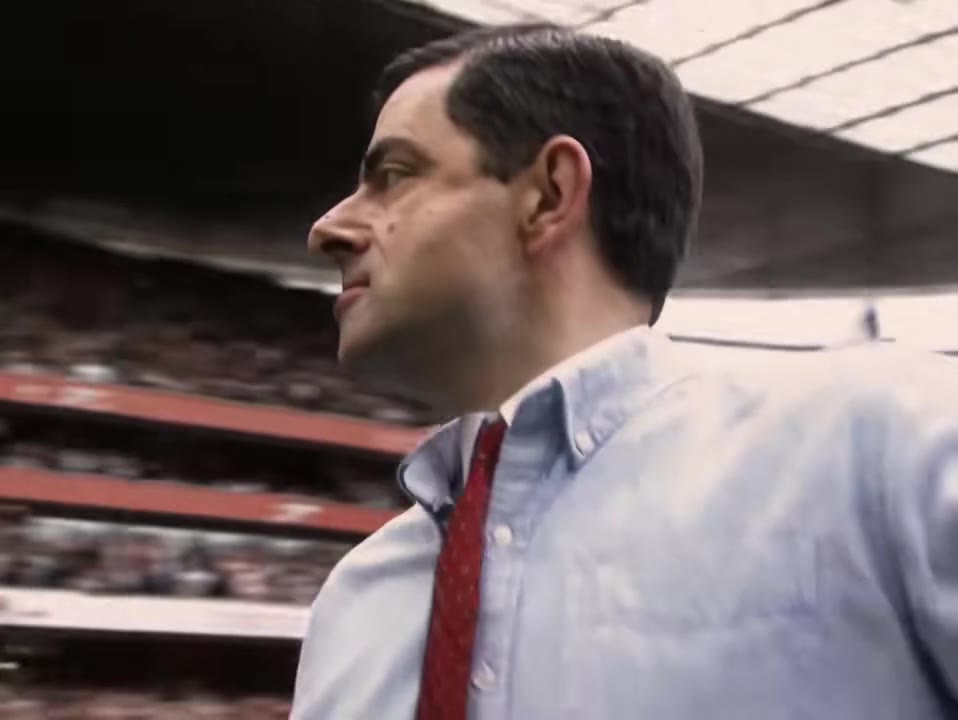
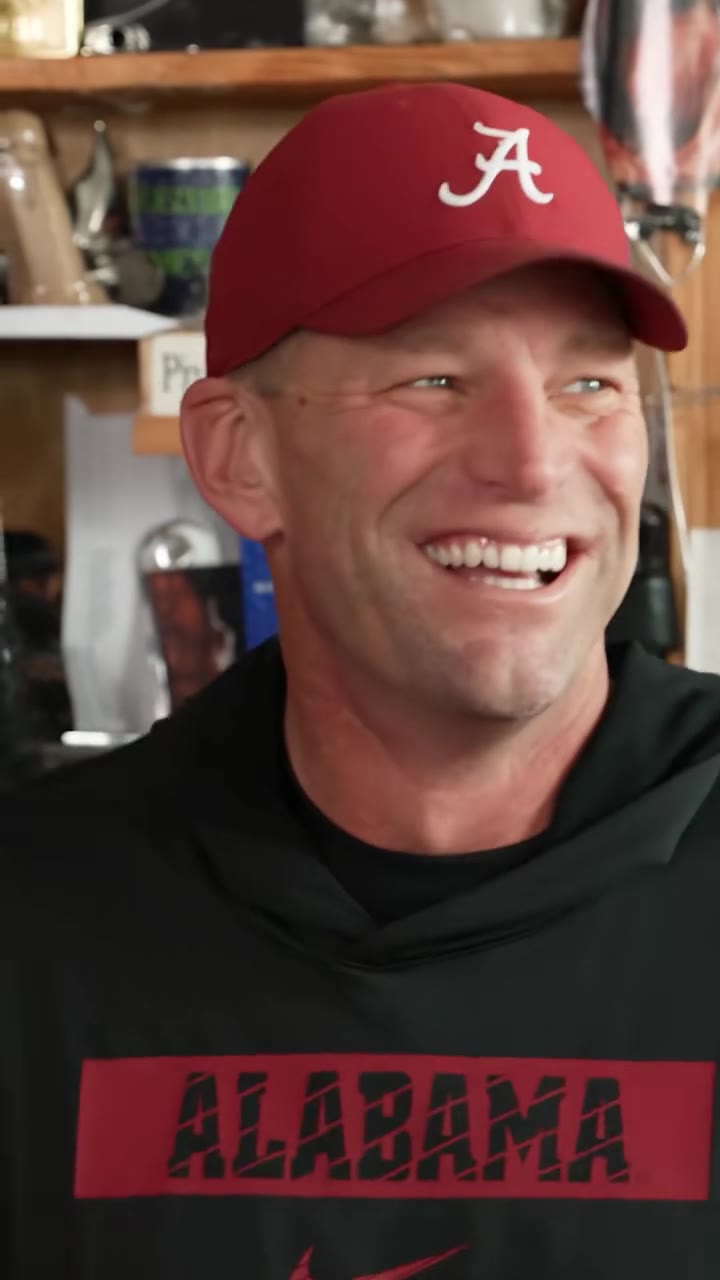
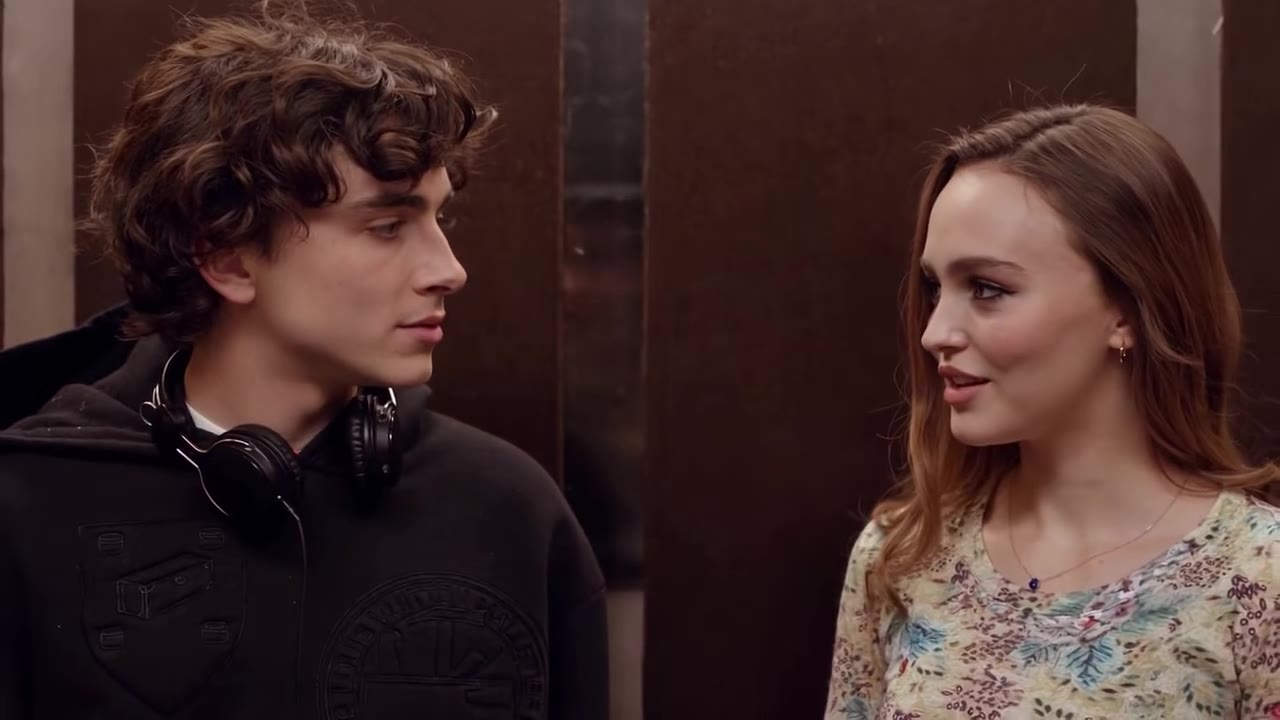
The broke boyfriend hug is a TikTok couple meme where one partner pays at a counter or kiosk while the other hugs them from behind, a joking thank-you from the broke one. To make your own AI version, give the broke boyfriend hug AI generator two photos, one of the person who pays and one of the person who hugs, pick a scene and press Generate.
This guide goes deeper than the page FAQ: why the camera sits behind the pair, who goes in which slot, how to choose a scene, how to caption it and what to know about AI labels before you post.
Key takeaways
- Photo 1 is the person who pays and photo 2 the person who hugs; each photo holds one person.
- Both people are filmed mostly from behind, so hair, build and outfit matter more than a close-up face.
- Pick the sneaker-store counter or the fast-food kiosk; the hug and sway are built in and there is no prompt to write.
- Label the finished clip as AI on TikTok and YouTube before you post it.
- A 10-second Standard clip is 10 credits at 720p or 5 at 480p, and failed renders are refunded.
In this guide
- Why is the hug filmed from behind?
- Who should be photo 1 and who should be photo 2?
- How do I choose between the sneaker-store counter and the fast-food kiosk?
- Which photos give the best result?
- Can I make the friend version instead of the couple version?
- Why does the clip sometimes not look like us?
- How do I write a caption that fits the joke?
- Do I need to label the video as AI when I post it?
- Is it easier to film the real thing?
- What does it cost and what happens if it fails?
Why is the hug filmed from behind?
The joke needs a counter, a payer and a partner who has nothing to pay with. The camera sits behind and beside the pair, so you see the payer facing the cashier and the other person wrapping both arms around them from the back. That angle is the whole punchline: the hug reads as a thank-you, not as a romantic moment.
It also explains why the AI version behaves the way it does. Both people are seen mostly from behind and side-on, as in the original clips, so likeness shows mainly in hair, build and outfit. Faces appear only in a few moments. If you go in expecting a close-up portrait, you will be disappointed; if you expect a recognisable silhouette and a believable sway, the format delivers.
Who should be photo 1 and who should be photo 2?
Photo 1 is the person who pays. Photo 2 is the person who hugs from behind, the broke one. The two roles are tied to the photos and never swapped, so the order matters. Put them the wrong way round and your partner pays while you hug, which may be a perfectly fine joke but is not what you planned.
The generator takes one person per photo. It does not accept a shared picture of the two of you, so each of you needs your own clear photo. If you only have couple pictures on your phone, crop or retake so that each file shows one face.
One more practical point from our tips: the hugger stands behind the payer, so the scene reads best when photo 2 is the taller person. It is not a rule, just a way to make the shot look natural.
How do I choose between the sneaker-store counter and the fast-food kiosk?
Both scenes carry the same hug, the same camera and the same timing. What changes is the setting. The sneaker-store counter is the closest to the earliest clip we found, posted on 27 January 2024 with about 3.6 million views. The fast-food kiosk matches the version that passed 2 million views in September 2026.
Pick the one that fits your caption. If the joke is about a gift or a splurge, the counter feels right. If it is about lunch, the kiosk does. You do not write a prompt in either case; the scene, the hug and the sway are built in. You can see both on the broke boyfriend hug AI page before you spend any credits.
Which photos give the best result?
Because faces are small and turned away, send waist-up photos where hair, hair colour and clothes are easy to see. A sharp face in even daylight still helps in the few moments each person turns toward the camera.
Keep these checks in mind before you press Generate:
- One adult per photo, with no one else in the frame.
- Hairstyle and outfit clearly visible, not hidden by a hood or a hat.
- Even light, without heavy filters or a strong colour cast.
- Photo 1 for the payer, photo 2 for the hugger.
Only use photos of adults who agreed to be in the video. Photos of celebrities, public figures or minors are not accepted.
Can I make the friend version instead of the couple version?
Yes. The format started as a couple joke but it is not limited to couples. A November 2026 version with two best friends at a perfume counter reached about 840,000 views, and a "bro pays for my food" version with two male friends has about 390,000.
On videosi any two adults work. Photo 1 is whoever pays and photo 2 whoever hugs. The clip shows a friendly hug from behind, nothing more intimate, so it suits siblings and friends as much as partners. Both people should agree to be in it before you post anything.
Why does the clip sometimes not look like us?
Almost every complaint comes from the same cause: the model has only a few frames in which to show each face. Without a strong instruction a model tends to keep the original couple's hair and jackets, and two faces close together can blend or swap roles. That is why the scene is built from a real counter hug as motion reference and why each photo is tied to one person.
Your part is the input. Use waist-up photos with clear hair and clothes, one person per photo, and check the order. If a render fails, times out or is blocked, the credits come back automatically, so a bad run does not cost you.
How do I write a caption that fits the joke?
The clip comes with a clean frame: the caption from the source clip is removed, so you add your own text when you post. The original 2024 clip used "Broke boyfriend hug hits different", which is a good model for the tone: short, a little self-mocking, and about the hug rather than the money.
A few patterns that suit the format:
- A one-line setup that names the payer, such as "When she pays so you give her the broke boyfriend hug".
- A caption that names the purchase, like sneakers or lunch, so viewers get the scene before the hug lands.
- For the friend version, a line that names the favour, such as who covered the food.
Add the text in TikTok or CapCut. The trend's original sound is already on the clip, and you can swap it in the same apps if you prefer another track. We could not confirm one shared song for the 2026 posts, so there is no single correct sound to match.
Do I need to label the video as AI when I post it?
Yes, you should. TikTok's community guidelines say: "we require creators to label AI-generated or significantly edited content that shows realistic-looking scenes or people." A video of two realistic people at a counter fits that description. The same page says unlabeled content can be removed, restricted or labeled by TikTok depending on the potential harm.
YouTube asks for the same on Shorts. Its help page says creators must disclose AI-generated or altered content that seems realistic, including a realistic scene that didn't actually occur, and the setting sits in the Attributes section during upload in YouTube Studio. YouTube may also apply a label itself if it detects generated content.
The practical advice is simple: turn on the AI-generated label every time, and keep the caption honest. A clearly labeled joke clip is a safe post. Our own page FAQ says the same about the 9 to 10 second MP4 without a watermark: you can post it on TikTok, Reels or Shorts as long as you label it and only use photos of people who agreed.
Is it easier to film the real thing?
Sometimes. Filming is free, and the real clip will always have the original charm. But you need both people, a third person to hold the phone, and a moment at a counter when one of you is actually paying. Many people do not have all three at once.
The other route is writing your own prompt in a general AI video model. That costs money per attempt on the model's site and needs a reference clip, one photo per person and several tries. Without the reference the two often stand side by side instead of hugging from behind, and the faces blend. The AI version on videosi skips that: the reference and the instruction are built in, and you only add two photos.
What does it cost and what happens if it fails?
A 10-second video on the Standard model costs 10 credits at 720p or 5 credits at 480p. Better models cost more. There is no free generation. A Single pack is $8.90 for 10 credits, and subscriptions start at $29.90 a month.
If a render fails, times out or is blocked, the credits return automatically. That is worth knowing if you want to test a couple of photo pairs: a failed attempt does not drain your balance. You can start the process from the trend page, where the two photo slots and the scene choice are laid out in order.
Sources checked: TikTok Community Guidelines, integrity and authenticity and YouTube Help, disclosing altered or synthetic content. videosi is independent and not affiliated with TikTok, CapCut or YouTube.