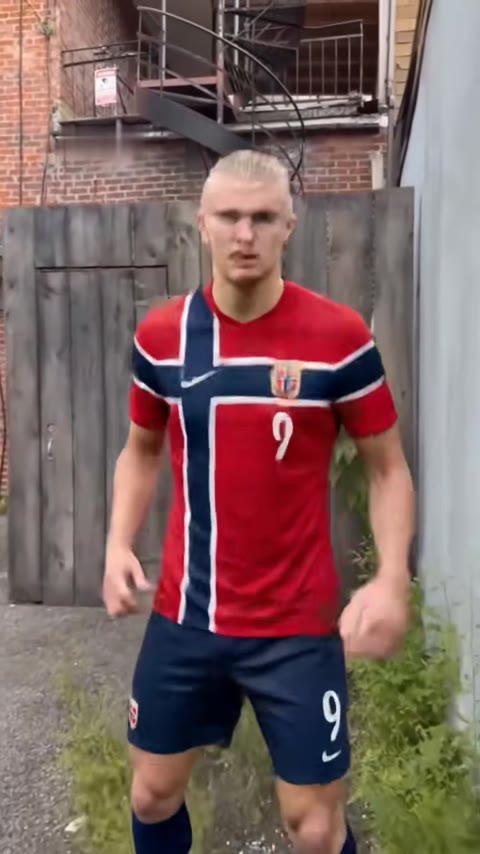
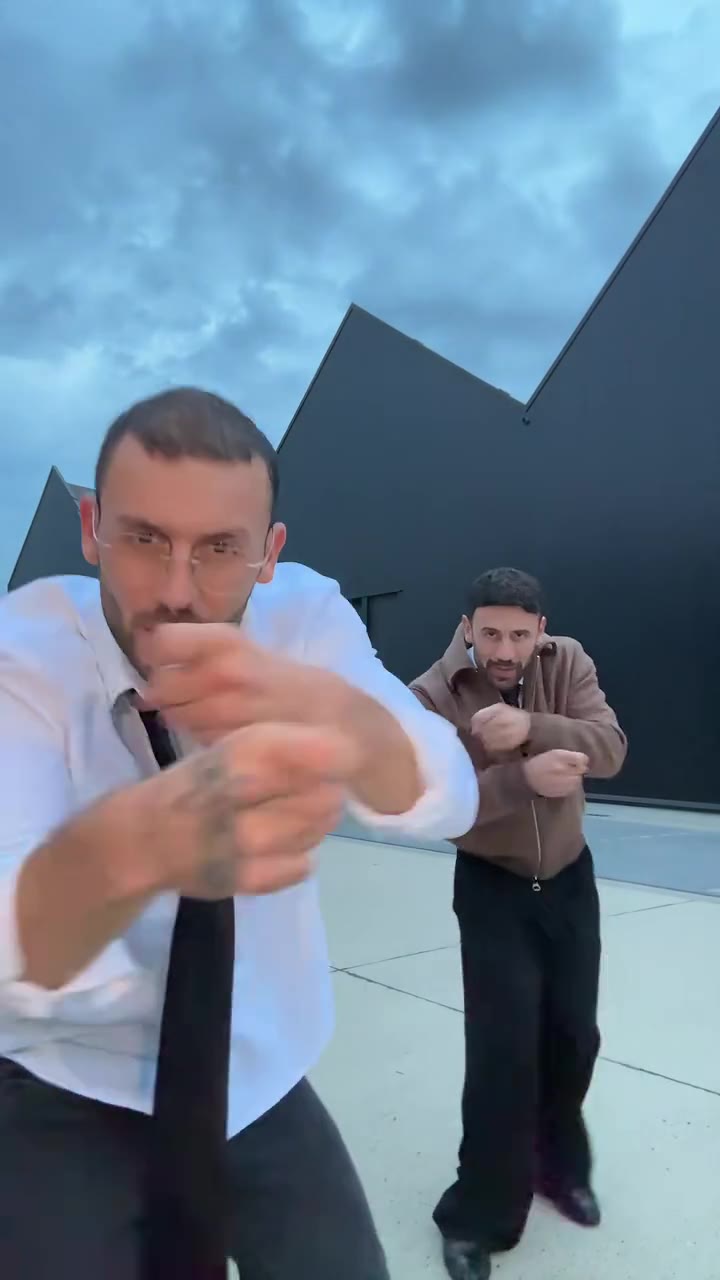
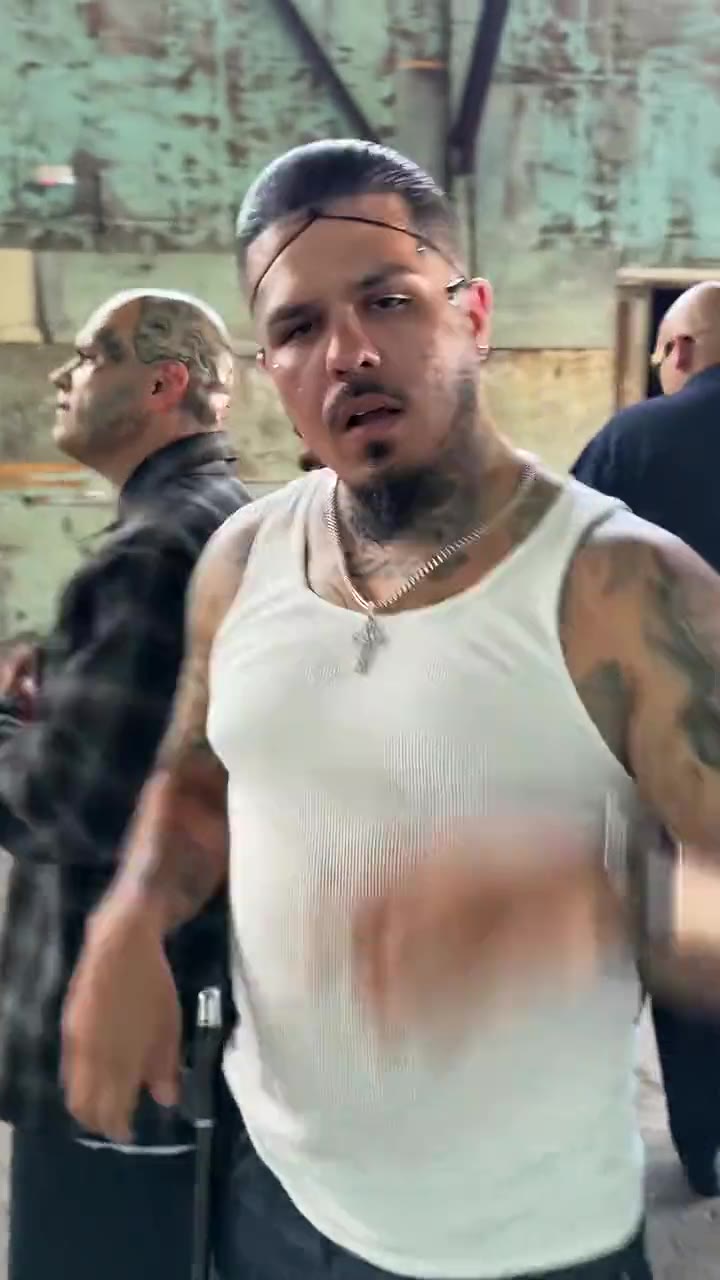
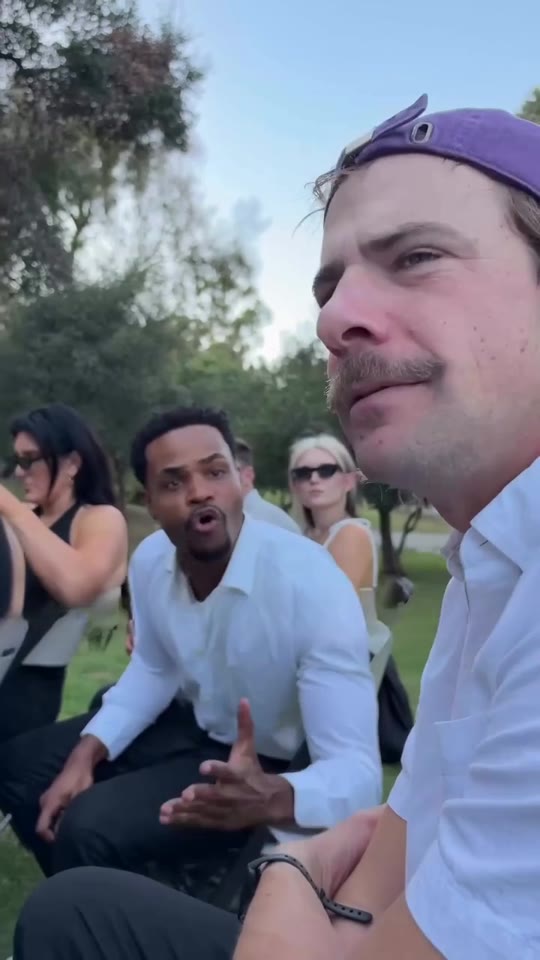
The mic session is a one-shot studio clip: a person in headphones steps up to a big microphone and delivers a fast verse without a single cut. You can make your own from one photo on the Mic Session AI trend page, and the result is a 15-second video with a rap-style sound already on it.
This guide goes past the basics and answers the questions that come up once you try one: why the format works, where it came from, what the sound is, how close the mouth gets to the verse, and how to avoid a video that looks like somebody else. It is based on the videosi page and on TikTok posts we watched, and it says plainly where nothing is confirmed.
Key takeaways
- The mic session is a single locked shot of one performer at a studio mic; no original post or single song is confirmed.
- The mouth moves in rhythm with the verse but is not an exact lip-sync.
- A front-facing, chest-up photo of one adult gives the best likeness, and sunglasses hurt it.
- A 15-second Standard 720p video costs 13 credits, or 7 at 480p, and failed renders are refunded.
In this guide
- Why does a one-shot studio clip work as a meme?
- Where did the mic session trend come from?
- Which song is used in a mic session clip?
- Does the mouth really move to the verse?
- What photo gives the best mic session video?
- Why do some AI mic session videos keep the original rapper's look?
- Can I make a duet or a group mic session?
- Do I need to label a mic session video as AI?
- How much does a mic session AI video cost?
- Is the mic session trend still worth making?
Why does a one-shot studio clip work as a meme?
Because everything the viewer needs is in the first second: a mic, headphones and a person who does not look like the usual rapper. With no cuts, the clip reads as a real take, and the humour comes from the gap between the person and the verse. There is no plot to follow, so the clip loops well and is easy to remake with anyone's face. That is also why the AI version keeps the locked camera: a cut would break the feeling of a single session. On the mic session AI page the camera never moves or cuts for the full 15 seconds.
Where did the mic session trend come from?
No single original post is confirmed. Studio-mic AI rap clips on TikTok date from late September 2026, TikTok posts tagged micsession appear from mid October 2026, and the format sits inside a wider wave of AI rap studio clips: orange-wall duets, hanging-mic freestyles and cameo verses. Treat any claim of one inventor with caution. The videosi page lists the first-seen date as 24 September 2026 and marks the origin as unconfirmed.
Which song is used in a mic session clip?
There is no single song. Each creator uses a different rap track or generated verse, so the sound label on TikTok changes from post to post. The videosi video carries the audio of its reference clip, added after the model draws the picture, so you get a rap-style sound without picking a track. If you want a particular track, swap the audio in your editor before posting, and check that you have the rights to use it on your platform.
Does the mouth really move to the verse?
Roughly, but it is not a true lip-sync. The reference clip is a real performance, and the model follows its mouth and head rhythm, so the face looks like it is rapping in time. Exact syllable matching is beyond a 15-second image-to-video model, and the page says so. If you need a precise sync, use a dedicated lip-sync tool on top of the finished clip.
What photo gives the best mic session video?
A front-facing, evenly lit photo from the chest up, with one adult and no beauty filter. The model takes your face shape, hair and clothes from the photo, so a tight face crop leaves it to invent the shoulders, and sunglasses hide the eyes that carry the likeness. Wear something that contrasts with a green wall: a dark or neutral top works, a green one disappears into the background. The mic session AI tool accepts one photo.
Why do some AI mic session videos keep the original rapper's look?
Because many models treat a reference video as the thing to edit, not just a movement guide. If a prompt only says to borrow the motion, the original performer's sunglasses, suit or haircut often stay and only the face changes. The videosi prompt is written as a replacement: the original performer is swapped for the person in your photo and nothing of the original remains. Likeness still is not guaranteed, so a failed render returns its credits.
Can I make a duet or a group mic session?
This page makes one performer. For two people trading bars under one hanging mic, the Hotel Lobby AI page is built for duos, and the Tiny Desk AI page handles a small band. The one-person mic session keeps a single locked shot, which is why it is the simplest of the three to get right.
Do I need to label a mic session video as AI?
Yes, you should. TikTok, Instagram and YouTube all ask creators to label realistic AI-generated video, and a clip of a person rapping can be mistaken for real footage. Switch on the AI-generated label when you post, and use only your own photo or one from an adult who agreed. videosi does not accept photos of celebrities, public figures or minors.
How much does a mic session AI video cost?
A 15-second video costs 13 credits on the Standard model at 720p, or 7 at 480p, and better models cost more. There is no free generation. Credit packs start at $6.99 for 10 credits and never expire, and a failed, timed-out or blocked render returns its credits automatically. You write no prompt, and the result is saved in My creations.
Is the mic session trend still worth making?
As of November 2026 it is spreading rather than peaking, so there is still room to post a version. The wider AI rap studio wave has been running since late September 2026, and trends of this kind usually fade within a couple of months. Make yours soon, keep the clip under 15 seconds, and post it with the AI label on.
Ready to try it? Open the Mic Session AI generator, add one photo and press Generate.