The Stateside dance AI is a 13-second video in which you do the viral Stateside routine on an empty theatre stage, filmed low from the floor, with the song already on the file. On videosi you make it from one photo of yourself, with no prompt to write.
This guide goes past the trend page FAQ: how the routine breaks down, which song it uses, why the camera sits where it does, which photo works, and what the result can and cannot do.
Key takeaways
- The routine is hip sways, arm waves, elbow and shoulder pops, a spin, a high kick and a hair toss, all in one take.
- The sound is Stateside + Zara Larsson by PinkPantheress, and the MP4 you download has it mixed in.
- Moves, set and low camera come from a reference clip; your face, hair, outfit and build come from your photo.
- This effect has not been test-rendered yet, so fast moves can come out soft and likeness is not guaranteed.
- It is not free: a standard 720p video is 11 credits, and an account's first video costs 10.
In this guide
- How is the Stateside dance broken down move by move?
- Which song and which version does it use?
- Why is the camera on the floor?
- What kind of photo works best?
- What limits should you expect in the finished clip?
- Why can you not pick a different place?
- How is this different from a CapCut template?
- How should you label the video when you post it?
- Can you make it on a phone?
- What does one video cost?
How is the Stateside dance broken down move by move?
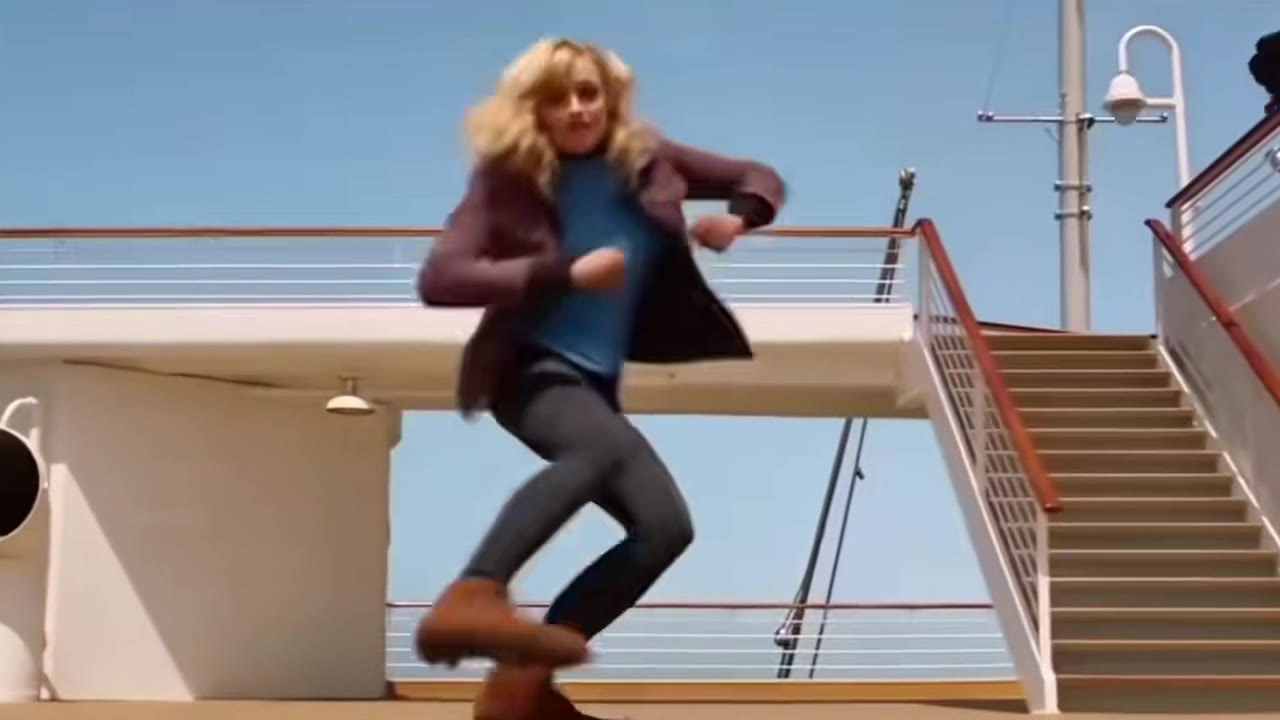
The routine is loose pop choreography, and the 13 seconds fall into five parts. We split them by time so you know what the clip will show.
- 0-2 s, the look back. You stand centre stage with your hips already swaying and glance over one shoulder into the low camera.
- 2-5 s, arms up. A quick spin turns into both arms raised overhead, hands together, hips rolling.
- 5-8 s, elbows and shoulders. Elbows pop out, shoulders roll and one arm swings wide, with a hip pop on each beat.
- 8-10 s, the high kick. A sharp step into a high kick, hair flying, wide trousers whipping round.
- 10-13 s, hair toss and pose. A lean, a hair toss and a final pose with one hand behind your head.
Nothing in it needs a prop or a partner, which is part of why it is easy to copy and easy to turn into a video from a single photo.
Which song and which version does it use?
The sound is labelled Stateside + Zara Larsson, by PinkPantheress. That is the label on the original clip and on the top clips we looked at, and the lyrics are clean. The song is about flying to the United States to see someone, and the dance matches that mood: playful, light and a little flirty.
videosi mixes the same section of the original sound onto every video after the render. That means nobody lip-syncs, and you can post the MP4 as it is. The song belongs to its owners, so a platform may mute or limit a repost, and that is worth knowing before you plan a campaign around it.
Why is the camera on the floor?
Because the original was filmed that way. The earliest clip we found is a low-angle rehearsal shot on an empty theatre stage, posted on TikTok on 22 December 2025, and it credits a choreographer in its caption. The true origin is unconfirmed, so treat that as the earliest we found, not the proven start.
A phone on the floor looking up makes the dancer look tall and makes the high kick fill the frame. It also distorts faces and legs, which matters for the AI version. Without something holding your identity steady, a face can change in the middle of the spin. That is why the effect uses the real clip as a motion reference and locks your look to your photo.
What kind of photo works best?
Think of the photo as your costume and your casting at once. The outfit in the photo is the outfit you dance in, and your hair is what flies in the spin and the toss.
- Show your whole body. Legs and shoes in frame keep your stance and outfit right.
- Wear something loose. Trousers or a skirt with a top read best. Long coats and bags over the shoulder blur the arm moves.
- Let your hair show. A clear view of its length and colour helps the model keep it yours.
- Skip hats, masks and sunglasses. The model needs your face shape and eyes, and an even, bright photo gives the best likeness.
One adult per photo. videosi does not accept photos of celebrities, public figures or minors, and users must be 18 or older. A friend's photo is fine only if that adult has agreed to it. Pets are not supported, although a dancing poodle is one of the real TikTok examples shown on the trend page.
What limits should you expect in the finished clip?
Be realistic. We have not test-rendered this effect yet, so we cannot promise how any single result looks. These are the risks we can see from the routine itself.
- The spin and the high kick are fast and the camera is low, so faces and hands can come out soft.
- Likeness is not guaranteed. A face-only crop, a dark photo or sunglasses make it worse.
- The clip is 13 seconds, in 9:16, 1:1 or 16:9, and the moves follow the reference clip. You cannot rewrite the choreography.
- It is not a lip-sync. You dance; you do not sing.
The examples on the trend page are other people's real clips of the trend, not renders made with videosi. Do not read them as a preview of your own result.
Why can you not pick a different place?
Your photo only fixes your look. The set is always the original empty theatre with its stage lights, because the reference clip supplies the place along with the moves, the timing and the low camera. There is no choice of location.
One detail is worth knowing: the crew standing in the background of the original stay where they are. In a loose setup, background people tend to start dancing too or wander into the shot, so the effect pins them in place. You are the only dancer.
How is this different from a CapCut template?
A template swaps your clips into someone else's edit, so you still have to film the dance yourself. The Stateside dance AI page starts from the other end: you give it one photo and it returns a finished 13-second MP4 with you in the routine.
There is no official TikTok filter for the Stateside dance, and the CapCut templates we saw were ordinary dance tutorials. We have not tested any of them, and templates change often, so check what is on offer today. If you can already dance it and want to film it, a tutorial is the better route. If you cannot or will not, the AI version gets you a clip without a camera.
How should you label the video when you post it?
Label it as AI-generated. Use the platform's own AI-content setting if it has one, and say so in the caption, for example "AI version of the Stateside dance". It keeps you inside platform rules and it is honest with viewers, who may otherwise take it for a real dance clip.
The same applies to the song. Posting with the original sound is common for this trend, but the platform decides whether it stays up with that audio on a repost.
Can you make it on a phone?
Yes. videosi runs in the browser, so there is no app to install. Upload a photo from your camera roll, choose the format and press Generate. Rendering takes several minutes, and the result stays in My creations when it is done, so you can close the tab and come back.
For TikTok and Reels pick 9:16. If you plan to post it elsewhere, 1:1 and 16:9 are there too. Then download the MP4 to your phone and post it from there.
What does one video cost?
It is not free: there is no free generation for this effect. A 13-second video on the Standard tier at 720p is 11 credits, and an account's first video costs 10. Better models and higher resolutions cost more. Credit packs start at $6.99 for 10 credits.
If you only want to try it once, upload your best whole-body photo the first time. A weak photo is the most common reason for a result you did not want, and fixing that costs less than a second render. When you are ready, open the Stateside dance AI page and start with one photo.