"Then I walk in" is a TikTok meme in which a setup is answered by someone strolling toward their front camera with total, deadpan confidence under that caption, and you can make your own 8-second version from one photo with the then I walk in AI page on videosi. Upload a photo, pick a format and download the finished MP4, with no prompt to write. This guide goes deeper than the page FAQ: why the joke works, how to write the setup, and how to post it responsibly.
Key takeaways
- The joke is a big promise followed by an underplayed entrance; the straight face is what makes it work.
- The selfie walk is a front-camera format, so your face, hair and clothes come from one sharp photo.
- A standard 8-second video costs 10 credits; the Single pack is $6.99 for 10 credits and there is no free generation.
- Label the clip as AI-generated on TikTok.
- Only use adults who agreed, yourself included.
In this guide
- Why is the then I walk in joke funny?
- How do I write a setup that makes the entrance land?
- Why does the format use a front-camera selfie?
- Who started it, and how big did it get?
- How is it different from the explosion walk and the Lil Yachty walkout?
- Which photo gives the best result?
- Can I make the "then we walk in" version with two people?
- What does it cost to make one?
- What AI model makes the video?
- Do I have to label the video as AI when I post it on TikTok?
- How do I use it without making fun of someone who did not agree?
Why is the then I walk in joke funny?
The joke has three parts: a setup, a pause and an entrance. Someone describes a situation, a party, a classroom, a crisis, and then the caption "then i walk in" promises that a person is about to arrive and settle everything. The comedy comes from the gap between that huge promise and what you actually see, which is an ordinary person strolling toward a phone with a perfectly straight face.
How do I write a setup that makes the entrance land?
Treat the setup as the first half of a two-line joke. The best ones are short, specific and slightly tense: a group chat argument, a family dinner going wrong, a group project nobody wants to lead. State the problem in one sentence, then let the walk-in be the whole answer. Do not explain the solution, because the entrance is supposed to be absurdly insufficient.
A few habits help. Use plain words, because the caption sits on screen for a few seconds and viewers read fast. Keep the stakes human and small rather than dramatic. And leave the last beat for the clip: if your own text already says "and I fixed it", the walk has nothing to add. If you post the AI clip as the punchline after your own setup video, trim the setup so the cut to the walk-in comes right on the sentence break.
Why does the format use a front-camera selfie?
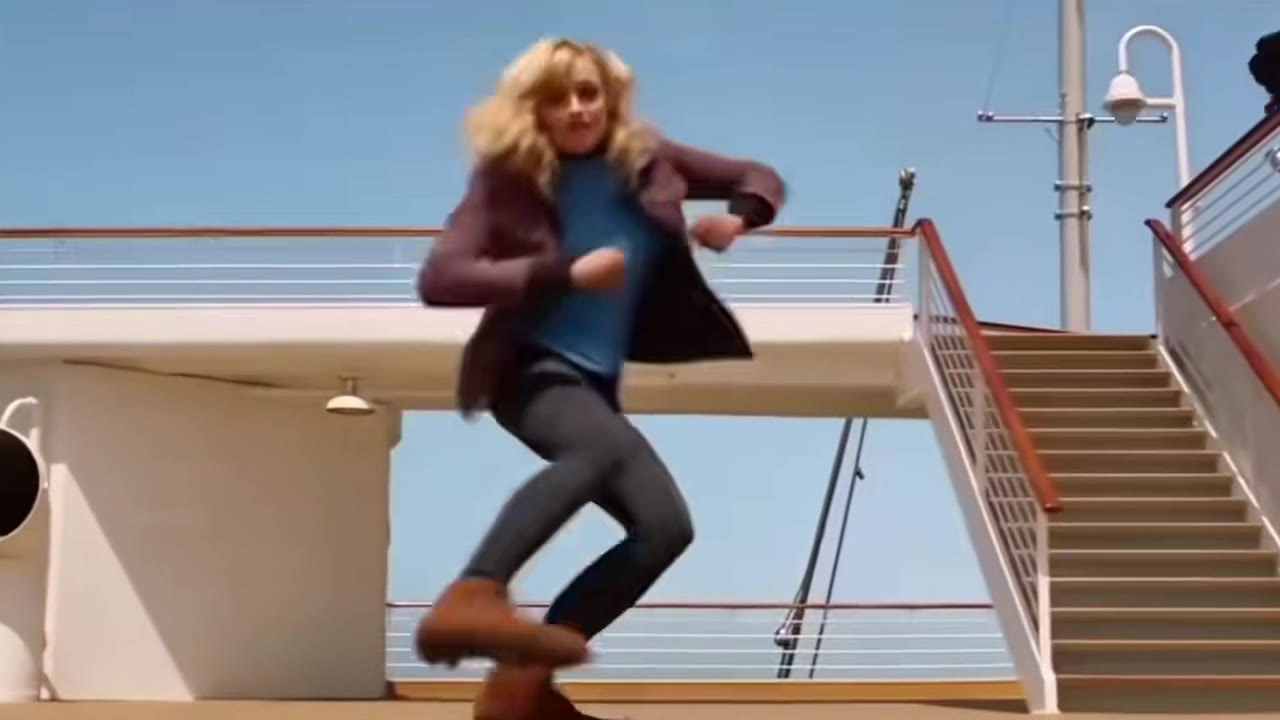
The original joke is a confident selfie, so the format keeps the grammar of one. A front camera at arm's length has a recognizable look: the face fills the middle of the frame, the background slides past, and the phone swings slightly with each step. Viewers read that instantly as "this person is filming themselves while walking", which makes the confidence feel personal rather than staged.
Who started it, and how big did it get?
The line is tied to a confident selfie of TikTok creator Model Alexander, which commenters began pasting under other people's videos with the words "then I walk in". The earliest dated video we watched is an interview in which he explains the photo, posted on 15 October 2026, and it had about 2.3 million views by 3 November. Know Your Meme dates the start to late September 2026, when he began attaching his selfies to comments on other people's videos; the exact first post is unconfirmed.
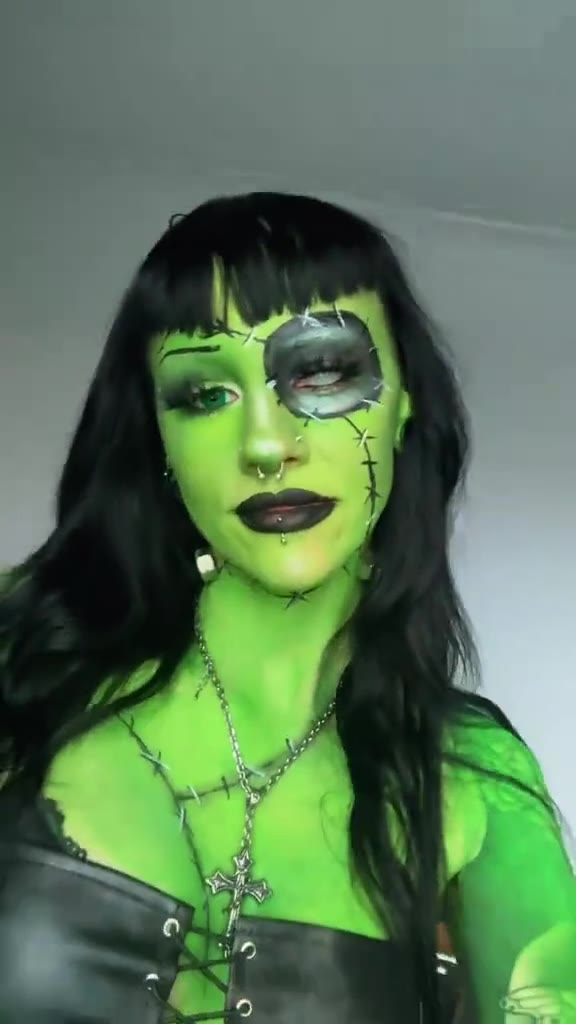
The selfie walk that this page follows came later. A costume creator's version in a blond wig and red shirt, posted on 24 October, passed 3.9 million views, and remakes, edits and AI face swaps followed. We do not claim any song as the source: many posts use spoken original sounds, and the sped-up track under the selfie walk has no confirmed title or artist. The joke belongs to its audience now, and the polite way to use it is to credit the idea, not to mimic one person's look.
How is it different from the explosion walk and the Lil Yachty walkout?
All three are entrance memes, but they sell different things. The explosion walk is about spectacle: you walk away or forward while the world behind you goes up in flames, and the visual does the bragging. You can see how that one works on the explosion walk AI page. The Lil Yachty walkout is about swagger and a stage: a confident march with a crowd feeling, covered on the Lil Yachty walkout AI page.
Then I walk in is the opposite of both. There is no spectacle, no stage and no music cue that tells you to be impressed. It is a quiet, ordinary hallway, a plain caption and a face with no expression. The humor is that the entrance is underplayed while the caption oversells it. If you want a loud entrance, pick one of the other two. If you want a dry one, this is the format, and it pairs well with a setup written like a small crisis.
Which photo gives the best result?
Use a sharp photo from the chest up or wider, facing the camera, with both eyes visible and even light. The video copies your face, hair, clothes, build and skin tone from that one picture, so the picture is the whole casting call. What you wear in the photo is what you arrive in, so upload the outfit you want the entrance to be remembered for.
Skip sunglasses, hats and heavy filters. They hide the features the model has to hold for eight seconds, and a cap can turn into hair or disappear halfway through. Choose a neutral expression, because a serious face in the photo matches the deadpan walk better than a big grin. Adults only, and only people who agreed to be in it. Likeness is never guaranteed, so if the first result looks a little off, try a different, sharper photo rather than the same one again.
Can I make the "then we walk in" version with two people?
Yes. A photo of two adults who both agreed works, and the result puts both of you in the same selfie, which matches the "then we walk in" posts. The setup text changes accordingly: write it as a problem for a group, such as a team that is stuck or a friend group arguing about where to eat, and let the pair arrive together as the answer.
What does it cost to make one?
There is no free generation. On videosi a standard 8-second video (Standard model, 720p) is 10 credits. Credit packs are one-off and the entry one, the Single pack, is $6.99 for 10 credits, which covers exactly one standard video. Plans start at $29.90 a month. Better models and higher resolutions cost more credits, and you pick the tier before you generate.
If a render fails, times out or is blocked, the credits come back automatically. You do not write a prompt and you do not need a video editor: pick a photo, pick 9:16, 1:1 or 16:9, and download the MP4. You can start from the then I walk in AI page.
What AI model makes the video?
The page runs on ByteDance's Seedance family. ByteDance Seed describes Seedance 2.0 as a video generation model with a unified multimodal architecture that accepts text, images, audio and video, with images, audio and video usable as references to control performance, lighting, shadows and camera movement (see ByteDance Seed's Seedance 2.0 page). Those performance claims come from ByteDance's own benchmark, so treat them as the maker's description rather than independent proof.
In practice that reference-driven design is what makes this meme possible. The walk and the camera sway come from an 8-second motion reference, and your photo supplies the person. The default tier is Seedance 2.0 Mini, with Fast, Pro and Ultra available if you want to pay more credits for a different look. We describe the structure of the prompt, which fixes the swap, the identity, the motion, the caption and a few rules, but we do not publish it.
Do I have to label the video as AI when I post it on TikTok?
You should. TikTok's community guidelines say creators must label AI-generated or significantly edited content that shows realistic-looking scenes or people, and that unlabeled content can be taken down, limited or tagged by TikTok, depending on the potential harm. A label is not a free pass either: TikTok also prohibits edited or AI-generated content that misleads people about important public matters or harms individuals, even when it is labeled (see TikTok's integrity and authenticity guidelines).
For a meme this harmless the practical answer is simple: switch on the AI-generated content label when you upload, and say so in the caption if you like. It costs you nothing, and a joke about walking into a room reads as a joke either way.
How do I use it without making fun of someone who did not agree?
Make yourself, or a friend who says yes, the subject. The whole format is about a person who is confident in a way that is a little ridiculous, and the kindest version of that joke is the one where the person is in on it. Do not upload a photo of a coworker, an ex, a classmate or a stranger to turn them into the punchline, and do not write a setup that makes the entrance an insult.
videosi accepts photos of adults only, does not accept celebrities, public figures or minors, requires users to be 18 or older, and deletes photos and results within 30 days. Those rules are a floor. The original creator is a real person who shared a photo of himself, and the respectful way to join the trend is to enjoy the joke, not to copy his look as a mockery. If someone asks you to take a video down, take it down.
Ready to try it? Open the then I walk in AI page, upload one clear photo and make your entrance.