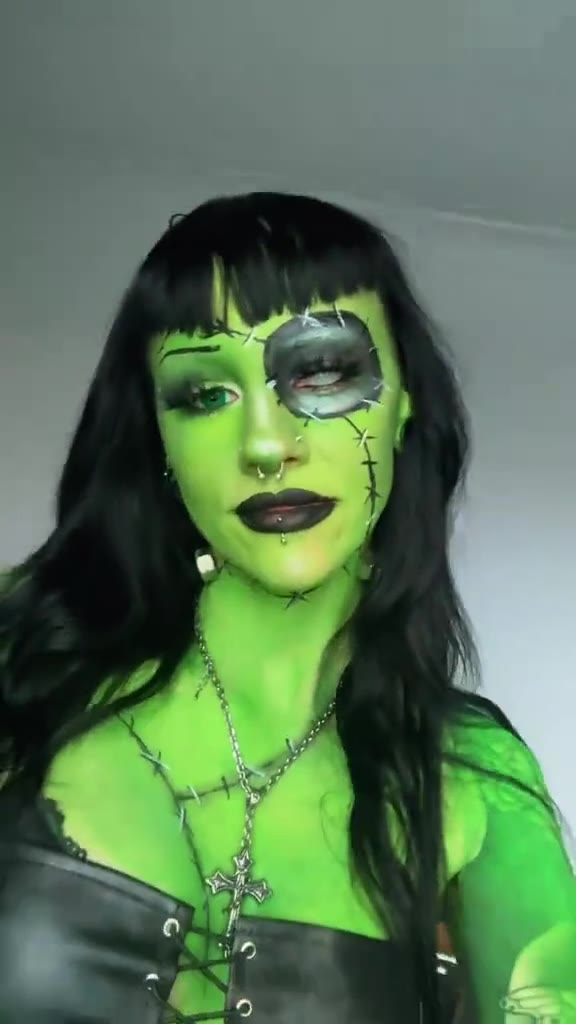
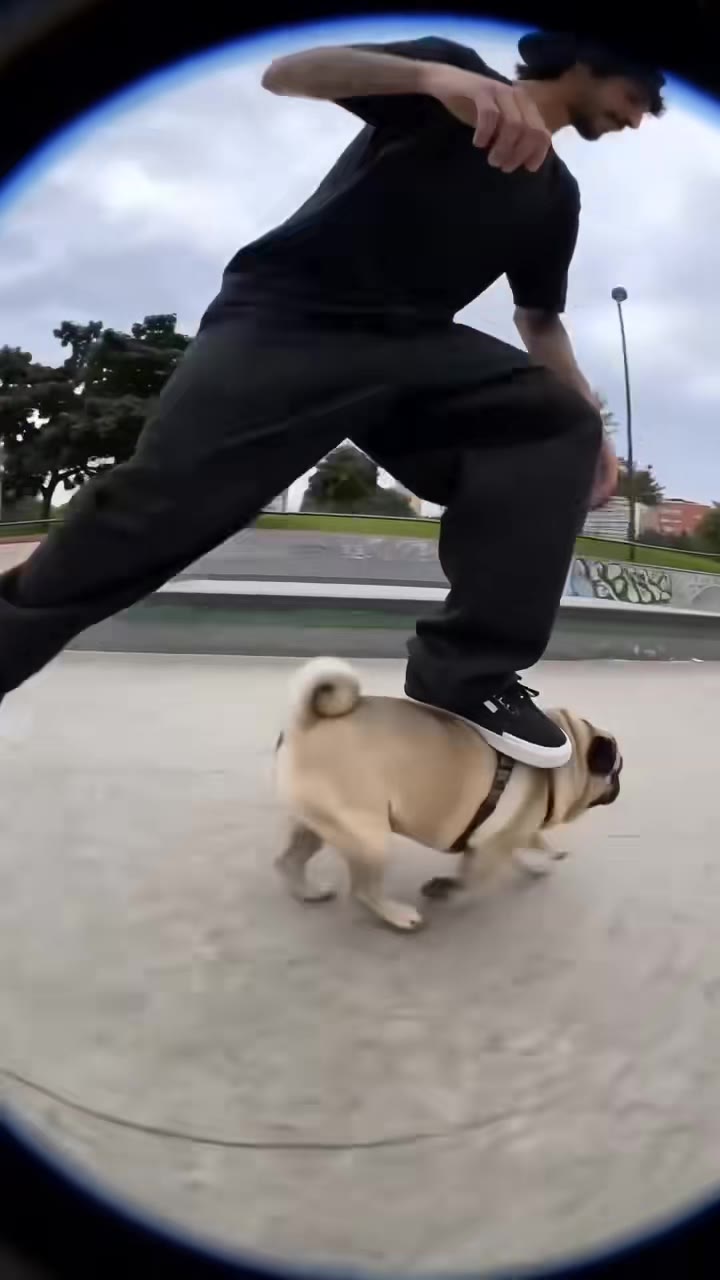
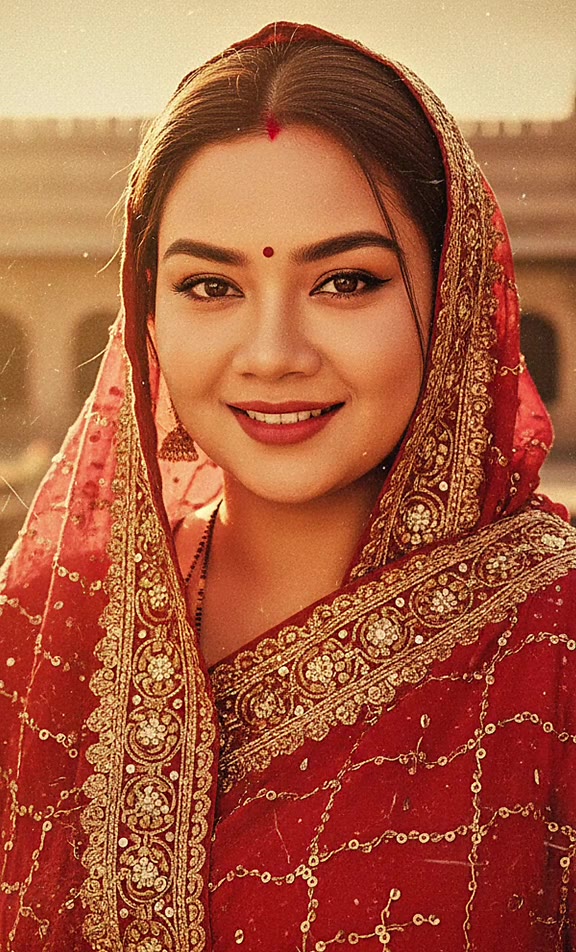
The yoga dance AI filter makes the viral Jersey club remix dance from one photo of you, as a 13-second video with the trend audio on it. It costs 11 credits at Standard 720p, and you do not write a prompt or learn the steps.
The yoga dance AI filter on videosi takes your photo and puts you in the loose, hands-up routine people post to the remix of Yoga. This guide goes past the basics and answers the questions people ask once they have seen the trend: what the dance is, where the song is from, how the clip is built and what to expect.
Key takeaways
- The name comes from the song Yoga, not from yoga poses. It is a Jersey club remix dance, not a class and not the Ted Lasso dance.
- One photo gives you a 13-second clip with the trend audio, and your clothes come from your photo.
- Use a full-body, front-facing photo of one adult who agreed. There is no kids or group version.
- It costs 11 credits at Standard 720p, 10 for an account's first video, and failed renders return their credits.
- The AI wave is past its peak, so it suits a quick, light post.
In this guide
- Why is it called the yoga dance when there is no yoga in it?
- What is a Jersey club remix, and why does it suit this dance?
- Where does the original song come from?
- Why do people also call it the party at the beach or Copacabana dance?
- What happens in the 13 seconds, beat by beat?
- Why does a photo plus a motion reference work better than a text prompt?
- Which photo gives the best result, and what happens to my clothes?
- Which setting should I pick: porch, living room or hallway?
- How much does it cost, and how do I avoid wasting credits?
- Can I make the yoga dance for kids, a couple or a whole group?
- Is the song on the finished video, and what should I do before posting?
Why is it called the yoga dance when there is no yoga in it?
The name comes from the song, not from any pose. The track is called Yoga, and people search for the dance by the song title the same way they search for other music trends. There are no downward dogs, no stretching and no breathing cues in the clip.
What you actually see is a loose, bouncy routine: hands thrown up, a knee pop, arms swinging at the sides and a sweep towards the camera. If you came looking for a workout, the yoga dance AI filter is the wrong tool. If you came for a quick, funny dance clip starring yourself, it is the right one.
What is a Jersey club remix, and why does it suit this dance?
Jersey club is a dance music style that grew out of Newark, New Jersey, in the late 1990s and early 2000s, building on Baltimore club. Wikipedia describes it as typically running at about 130 to 140 beats per minute, with a bouncy triplet kick pattern, chopped staccato samples and vocal clips, and it often remixes rap and R&B tracks.
That is exactly the recipe here. A rap and R&B hit gets chopped into short hooks over a shuffling kick, and the result is a beat that begs for quick hand flicks and bouncing feet. The dance does not need choreography skill, because the rhythm does half the work.
Where does the original song come from?
Yoga is a 2015 single by Janelle Monáe featuring Jidenna. Wikipedia lists its release date as 31 March 2015, as the second single from the compilation EP Wondaland Presents: The Eephus, with a genre of hip hop and trap. It reached number 79 on the US Billboard Hot 100 and number 24 on the Hot R&B/Hip-Hop Songs chart, and it is certified Gold in the US.
The Fader covered the release the same day and called it bass-heavy with a radio-ready hook. The original video was set mostly in a workout studio, which explains the title and why the song fits a playful, not serious, mood.
The version in the trend is a Jersey club remix of that record. TikTok sound pages credit the remix to more than one name, so we do not credit a single remixer. The full original song has adult lyrics, so it is a good idea to treat the short clip, not the whole track, as the thing you post.
Why do people also call it the party at the beach or Copacabana dance?
Because of the line in the hook. People search the words they hear, so the same dance shows up as party at the beach dance, Copacabana dance and copa yoga. All of them point at the same 13-second routine.
On videosi, all of those names lead to one page, the yoga dance AI filter, so you do not have to guess which spelling is the real one.
What happens in the 13 seconds, beat by beat?
The clip follows five short moments. It opens on the beat with one hand raised high, then both hands flick up beside the head as the hook starts. Around the two second mark the hands drop and one knee pops in while your weight rolls from side to side.
From about four to eight seconds the arms hang loose and swing with small bounces while the feet keep tapping. Near the eight second mark one hand comes up to the mouth and the other sweeps out towards the camera. The last three seconds flare both arms wide, drop them to the hips, then raise them to the chest as the clip ends mid-groove.
Why does a photo plus a motion reference work better than a text prompt?
Words are bad at describing a hand flick. You can write dance energetically with loose arms, but a model will invent a generic dance, and the knee pop and the mouth gesture will disappear. The routine is defined by timing, and timing is easier to show than to describe.
So the render uses two inputs. Your photo says who the dancer is: face, hair, clothes, shoes, build and skin tone. A 13-second reference clip says what the dancer does: every step, the rhythm, the still camera and the framing. The model, ByteDance's Seedance, swaps the person and keeps the movement.
This is also why you do not write a prompt on videosi. The instructions are already built, and we do not publish the full text. What you control is the photo and the setting.
Which photo gives the best result, and what happens to my clothes?
A full-body photo, facing the camera, in even light. The dance is framed from head to toe, so a photo that shows legs and shoes gives the model your real outfit. A face crop leaves it guessing, and guesses can change from frame to frame.
Your clothes come from your photo. The effect does not change your outfit by default, and nothing from the original dancer's clothing or hair should remain. If your photo shows only the upper body, the model continues your own outfit naturally and keeps you fully clothed.
Which setting should I pick: porch, living room or hallway?
There are three. The grey porch keeps the original scene as filmed, with grey doors, a pale floor and a white chair. The living room moves the whole clip to a tidy home with a wood-look floor and a dark sofa. The bright hallway uses a cream hallway with a pale wooden floor and an open white door.
A simple rule: pick the setting that contrasts with your photo. If your photo has a dark outfit, a bright hallway makes the figure easy to read. If you are in light clothes, the grey porch gives you more contrast.
How much does it cost, and how do I avoid wasting credits?
A 13-second yoga dance costs 11 credits at Standard 720p, and an account's first video at that setting costs 10. There is no free generation. The smallest pack is $6.99 for 10 credits, a Trio Pack is $17.99 for 30 credits, and plans start at $29.90 a month for 100 credits. Credits never expire. A failed, timed-out or blocked render returns its credits automatically.
To avoid waste, spend the effort before you press Generate. Use a sharp, front-facing, full-body photo and one person only. Start on the Standard tier at 720p, which is the default, and only move to Fast, Pro or Ultra if you want to compare the look.
Fast hands are where AI detail slips first, so one render will not always be perfect. A blurred finger or a drifting face can appear, and likeness is not guaranteed. Treat the first render as a draft.
Can I make the yoga dance for kids, a couple or a whole group?
No to all three. This is an adult effect with one dancer. Do not upload photos of children, and only use photos of people who have agreed. A yoga dance for kids is not something this page supports.
The duos and trios you see on TikTok are real people filming together, and they are not part of this effect. The examples on the page show the real trend, so your result will not copy their rooms or outfits.
Is the song on the finished video, and what should I do before posting?
Yes. The finished clip is an MP4 with no watermark and the trend audio already on it, so you can post it as it is. Your lips will not follow the words, because the effect is built around the dance, not lip sync.
Before you post, add your caption and label the clip as AI-generated. Most platforms ask for that, and it keeps the joke honest. videosi is independent and is not affiliated with Janelle Monáe, Jidenna, their labels, TikTok or CapCut.
The AI wave of this trend is past its peak, so it works best as a quick, light post and not as something you expect to go viral. When you are ready, open the yoga dance AI filter, upload one photo and you will have your clip in a few minutes.