The oouuh ukulele AI trend is a 15-second kitchen clip in which one friend strums a ukulele while another sings the long oouuh hook of Fredo Bang's song, remade with other faces since 2 October 2026. You can make your own version from one photo on videosi's oouuh ukulele AI page, with the original sound already on the video.
This guide answers the questions people ask about the trend, in the order they usually come up, with dates and numbers we could check.
Key takeaways
- The kitchen clip we found on TikTok is dated 30 December 2024 and has about 16.7 million views; the AI face-swap wave began on 2 October 2026.
- The sound is the oouuh hook of Fredo Bang's song, posted by the clip's creator as the TikTok sound Oouuh.
- You need one photo of yourself; a second photo for the singer is optional.
- A 15-second video costs 13 credits on the Standard model at 720p, and a failed render returns its credits.
- The biggest remake we found, from 6 October 2026, has over 5 million views; newer posts reach tens or hundreds of thousands.
In this guide
- What does the clip actually show?
- Who posted the original?
- Which faces do people put on the two friends?
- How do I choose a photo that works?
- Who plays which role in the AI version?
- Why does a 15-second take look hard to fake?
- Can I make it with a CapCut template instead?
- Will the video have the song on it?
- Is it too late to post one?
- How should I label and share the result?
What does the clip actually show?
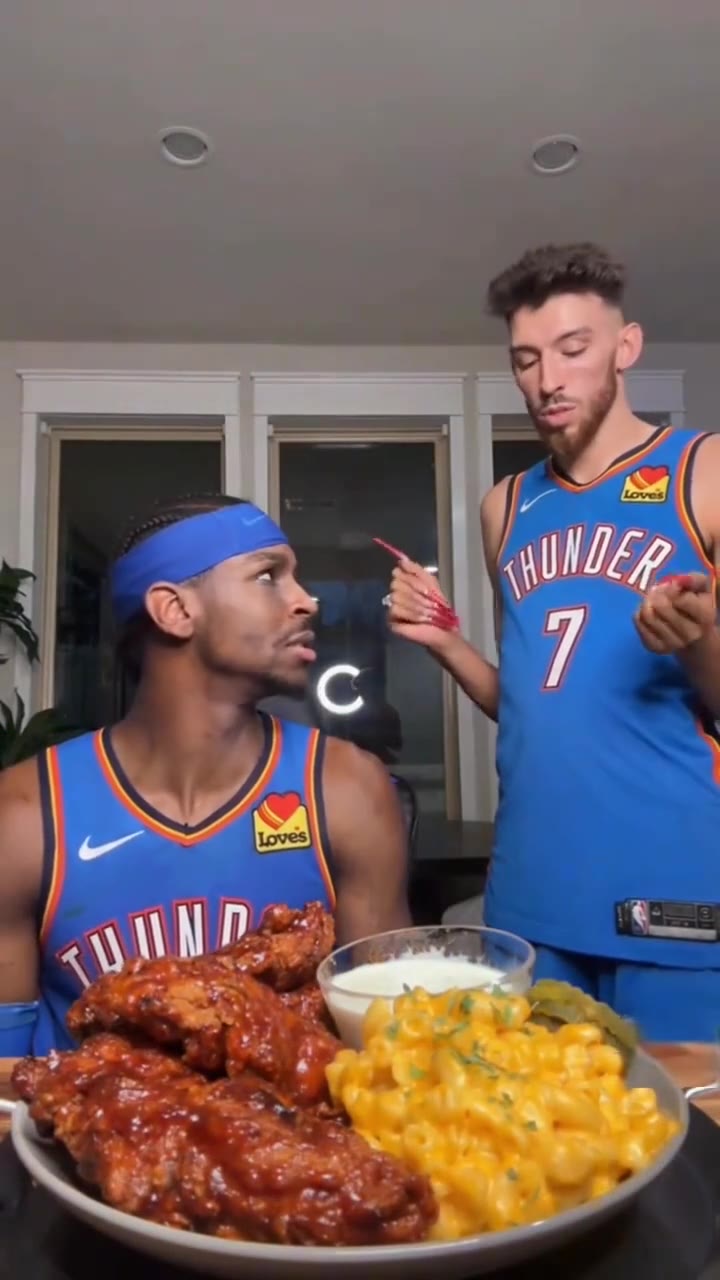
Two friends stand side by side in a small home kitchen, filmed in one steady vertical take with a warm ceiling light, white cabinets and a wooden floor. The one on the left looks down at a small wooden ukulele and strums. The one on the right sings the drawn-out oouuh hook, sways, points and grins. Nothing else happens for the full length, which is exactly why the format is so easy to copy: the set, the framing and the two roles never change. The AI versions on /oouuh-ukulele-ai keep that setup and swap the two people.
Who posted the original?
The earliest copy we found on TikTok is a 26-second clip dated 30 December 2024 with about 16.7 million views, captioned as a reaction to the song dropping and tagging the artist. We could not confirm that this account filmed it first, so we treat the origin as unconfirmed. What we can say is that the clip was already circulating long before the AI wave and that the AI remakes re-use its sound.
Which faces do people put on the two friends?
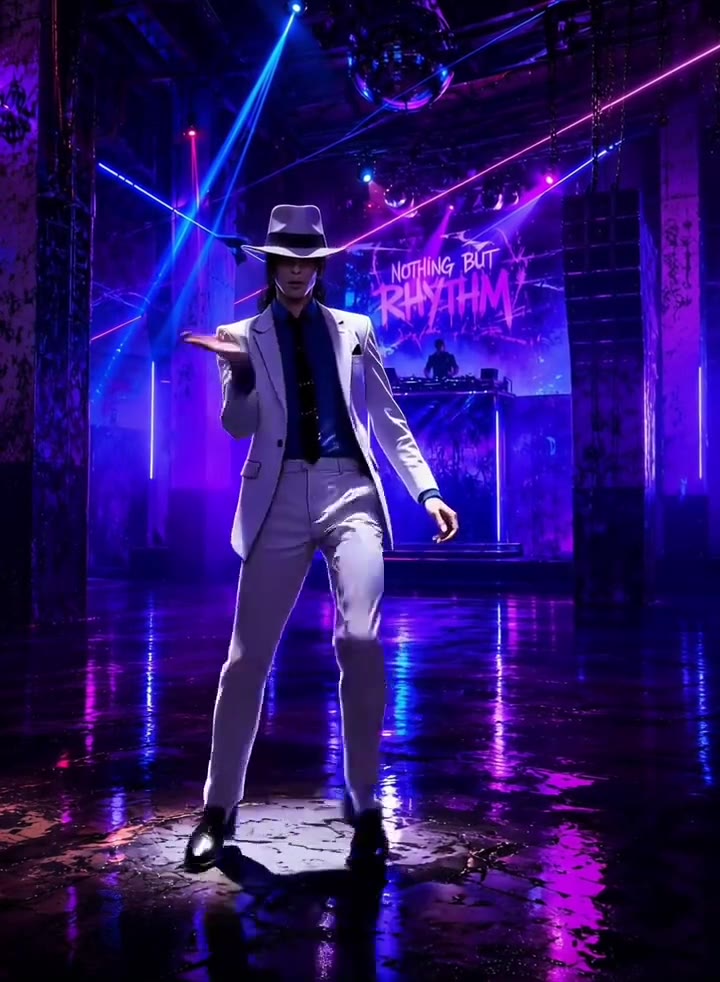
Creators use pairs people already know: characters from a martial-arts film, bosses from an office comedy, streamers, singers, athletes and ordinary friends. The format works best when the two people look clearly different from each other, so the viewer can tell who strums and who sings, and when each outfit reads from head to knees. The remakes with the most views are short and keep the original timing.
How do I choose a photo that works?
Pick a front-facing photo with your eyes open and your hair and shoulders in frame. The ukulele player looks down at the strings for much of the clip, so a photo where your face is clear gives the model more to hold on to than a side profile. Sunglasses, masks, heavy filters and group shots lower the likeness. If you add a singer, use a separate photo of that person rather than cropping a group picture, and only add people who agreed.
Who plays which role in the AI version?
On the videosi page photo 1 becomes the ukulele player on the left and the optional photo 2 becomes the singer on the right. If you leave photo 2 empty, a made-up adult sings next to you, so a solo version works. If a single photo shows both people, the tool reads the left person as the player and the right person as the singer.
Why does a 15-second take look hard to fake?
Because nothing hides a mistake. There is no cut to cover a drifting face, the camera does not move, and two people stay in the same spots for 15 seconds while one of them plays an instrument and the other sings. Models that only get a text prompt tend to move the camera, change the room or lose the sway. videosi uses the original clip as a motion reference with Seedance from ByteDance, which keeps the framing and timing, and replaces the people with your photos. We do not publish the full prompt.
Can I make it with a CapCut template instead?
Yes, if you can find a working one. A CapCut template drops two faces into the clip, but templates appear and vanish quickly and often need an app account. The advantage of making it on videosi is that it runs in the browser: you upload photos, pick 9:16, 1:1 or 16:9 and download an MP4 with no watermark. videosi is independent of CapCut and TikTok.
Will the video have the song on it?
Yes. The finished video comes with the original oouuh sound already on it, cut to the same 15 seconds as the motion clip. Nobody lip-syncs exactly, so mouths move loosely with the beat rather than matching the words. If you want a different track, you can replace the audio in any editor before posting.
Is it too late to post one?
As of 1 November 2026 the trend is past its first burst but still moving. The AI wave started on 2 October, the largest remake we found is from 6 October with over 5 million views, and posts from the last two weeks reach tens or hundreds of thousands of views. A well-cast pair can still do well, but the safest bet is a pair nobody has used yet, posted soon.
How should I label and share the result?
Label the video as AI-generated when you post it, as TikTok, Instagram and YouTube ask for realistic AI content. Only use photos of people who agreed, and do not upload photos of children, celebrities or public figures; videosi does not accept them. A failed, timed-out or blocked render returns its credits automatically, and credits never expire.
What does it cost?
On the Standard model at 720p a 15-second oouuh ukulele video costs 13 credits, an account's first video costs no more than 10, and adding a second person costs nothing extra. Credit packs start at $6.99 for 10 credits. Try it on the oouuh ukulele AI page.