The Lego car spa is a 15-second AI video in which tiny toy-brick workers foam, scrub and rinse a muddy scale model of your own vehicle until it shines. To make it, upload one photo of your car, truck or motorbike to videosi, pick a format and press Generate; no prompt and no editing are needed.
This guide covers the questions that come after the basics: why truck owners took to it, how to choose a photo, what it does with motorbikes, and whether it is still worth posting now that the trend has passed its peak. The tool itself is on the Lego car spa AI page.
Key takeaways
- One daylight photo of the whole vehicle from the front three-quarter gives the most faithful result.
- The trend is past its peak: the earliest AI version we found is dated 12 September 2026, it spread through October, and new posts slowed from about 27 October.
- The workers are generic toy-brick figures; videosi is not affiliated with the LEGO Group, and LEGO is a trademark of the LEGO Group.
- A standard 15-second video at 720p costs 13 credits, and credit packs start at $6.99 for 10 credits. There is no free generation.
- Badges, logos and plates are left off on purpose, and the clip comes with the trend's original instrumental sound.
In this guide
- Why do truck and work-vehicle owners make this trend so often?
- How do I choose the best photo angle?
- Does the Lego car spa work for motorbikes and buses?
- Why is this not a real LEGO set?
- Why does my vehicle stay small the whole time?
- Why are badges and plates removed from the vehicle?
- Is it still worth making after the peak?
- Should I label the video as AI when I post it on TikTok?
- What sound does the video have, and is there a song to find?
- What does it cost, and is any of it free?
Why do truck and work-vehicle owners make this trend so often?
The trend spread mostly among Spanish-speaking truck and car owners in October 2026, under names like Lego car wash, Lego truck wash and lavado Lego. Work trucks, semis, buses and motorbikes are as common in it as cars.
That fits how the clip works. A truck is often a person's livelihood and a source of pride, and it spends its days covered in dust and mud, so a spotless reveal under a spotlight is a satisfying ending. A tiny crew scrubbing a huge cab also reads as a joke about how much work the real thing needs. This is our reading of why it caught on; no single creator or origin has been confirmed.
If you drive for a living or run a small fleet, the clip is easy to post as a light bit of branding. You only need one clear photo of the truck, and you can use a different vehicle for each video.
How do I choose the best photo angle?
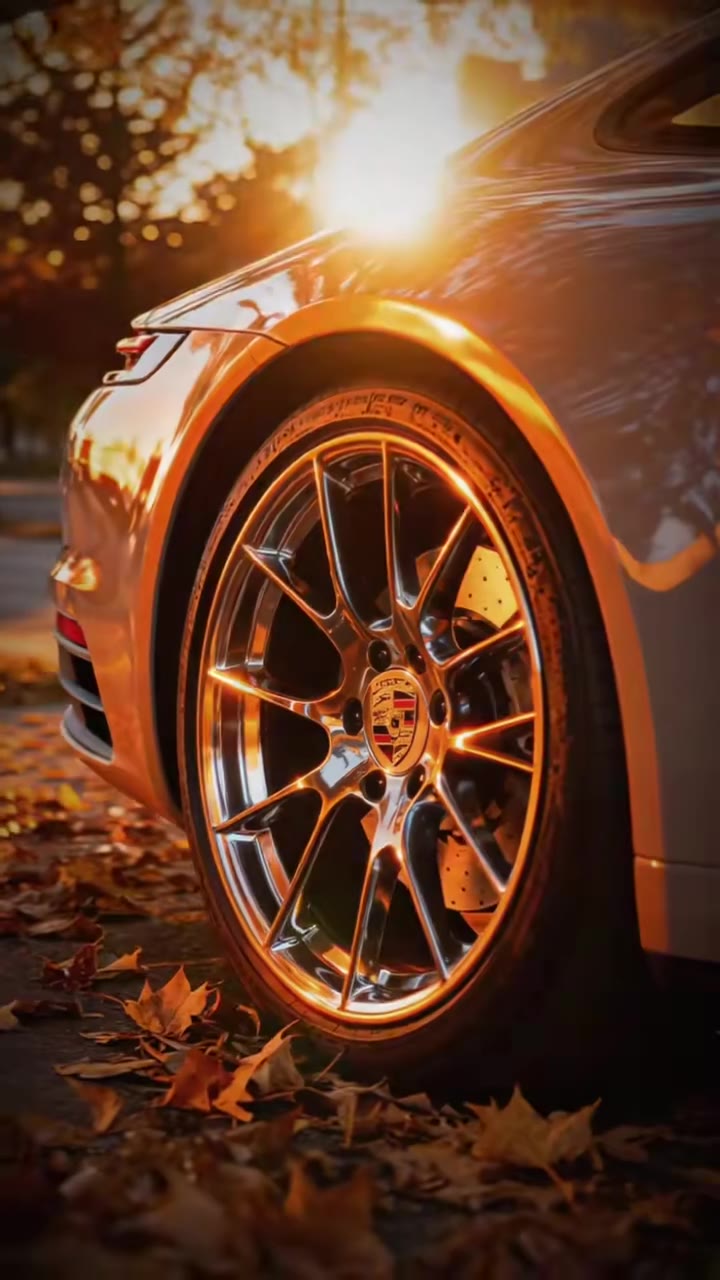
The video model rebuilds your vehicle from the photo, so the photo decides how close the model looks to the real one. The best photo is taken in daylight, shows the whole vehicle with nothing cut off, and is shot from the front three-quarter so that the grille, side and wheels are all visible.
Three things cause most disappointing results. A photo that crops a bumper or a roof forces the model to invent the missing part. Night photos with heavy reflections confuse the paint colour. Other cars in the frame can pull the model toward the wrong vehicle, so stand where yours is alone.
Take the shot from about chest height rather than from a low crouch. A low angle exaggerates the front and can make the proportions look off once the vehicle is shrunk to model size.
Does the Lego car spa work for motorbikes and buses?
Yes. videosi takes any single vehicle in one photo, and the built-in instructions cover motorbikes explicitly: the bike is washed the same way as a car, with two wheels on the ground instead of four. Our own examples include a green sport bike and a black semi truck.
Buses and long trucks with trailers are harder, because the model has to keep a long body in correct small scale next to the workers. For those, make sure the full length is inside the frame; a photo that cuts off the trailer makes the biggest difference. If the first attempt shortens the vehicle, retake the photo from farther back rather than from closer.
Keep to one vehicle per photo. A row of parked trucks or a car next to a bike gives the model two subjects to rebuild, and the result often blends them.
Why is this not a real LEGO set?
The workers in the clip are generic yellow-faced toy-brick figures in plain work clothes. They are not official LEGO minifigures, and nobody builds a physical model: the whole scene is generated by an AI video model from your photo and a motion reference clip.
videosi is not affiliated with, sponsored or endorsed by the LEGO Group. LEGO is a trademark of the LEGO Group. The name appears here only because it is what people call this TikTok trend. LEGO's own Fair Play page asks that unofficial sites avoid the LEGO logo, avoid putting the name in a web address and include a disclaimer where the name appears, which is why this guide carries the notice above and the videos show no LEGO logos or lettering.
Why does my vehicle stay small the whole time?
The effect is a miniature scene. In the first shot a hand sets a muddy scale model of your vehicle down inside a toy-brick car wash, and from then on the vehicle stays small next to the workers until the final spotlight. It does not turn into a full-size car and it does not become a brick build.
That is deliberate. Video models tend to drift between shots, and a vehicle that grows or changes colour between the dirty and clean frames breaks the satisfying before-and-after. The instructions lock the vehicle to your photo: same body shape, paint colour, wheels and modifications, covered in mud at the start and glossy at the end. A reference clip supplies the set, the shot order and the timing, so the five beats (dirty model goes in, foam, close scrub, rinse, reveal) always land in the same places across the 15 seconds.
Without a motion reference, models usually invent a real-size car wash with real people, which loses the miniature look the trend is about.
Why are badges and plates removed from the vehicle?
Because the vehicle is rebuilt from your photo, small details are regenerated rather than copied. Badges, logos, plates and stickers are left off on purpose, and small details may differ from the real vehicle.
There are practical reasons. Readable plates identify a vehicle and its owner, which is a privacy risk once the clip is shared. Brand logos also tend to come out warped in generated video, and a distorted manufacturer badge looks worse than a clean, blank panel. The workers are likewise kept free of any brand names or lettering.
Is it still worth making after the peak?
The honest answer is that the wave is over. The earliest AI version we found on TikTok is dated 12 September 2026, a CapCut AI template version followed from 26 September, the most-watched tutorials were posted between 13 and 25 October, and new posts have slowed since about 27 October.
A trend past its peak is a poor bet for going viral on its own, but it can still be worth making for a few reasons. The clip is a self-contained novelty that works for a personal vehicle, a small business or a club, where the audience cares about the truck rather than the trend. People still search for the name, so there is steady curiosity. And a fading format is less crowded, which makes a well-shot photo stand out more.
Treat it as a low-cost one-off, not a growth plan. If interest comes back, the page will be updated.
Should I label the video as AI when I post it on TikTok?
Probably yes. TikTok's newsroom post on AI labels describes a tool for labeling content that is completely generated or significantly edited by AI, and says creators can also disclose AI use with a sticker or caption. It adds that TikTok's synthetic media policy requires labeling realistic AI-made images, audio or video.
The Lego car spa is obviously a toy scene, so no viewer will mistake it for a real car wash, but it is still an AI-generated video made from your photo. The safe habit is to switch on the AI-generated content label when you upload, or to add a short caption such as "made with AI". That post is from 2023, and platform rules change, so check TikTok's current guidelines in the app before you publish. We have not measured any effect of labeling on reach.
What sound does the video have, and is there a song to find?
There is no single confirmed song for the trend. Most posts carry the instrumental original sound that came with the CapCut template or a song the poster chose, and no original creator has been identified.
A video made on videosi comes with the trend's original sound already on it: an instrumental track with no lyrics, running the full 15 seconds. You can keep it, or replace it with another track in the app where you post.
What does it cost, and is any of it free?
It is not free. A standard 15-second video (Standard model, 720p) is 13 credits, and better models and higher resolutions cost more. Credit packs start at $6.99 for 10 credits and never expire. There is no free generation or trial.
A failed, timed-out or blocked render returns its credits automatically. Rendering takes several minutes, and the finished MP4 is saved in My creations. Photos and results are deleted within 30 days, so download the clip once it is ready. Users must be 18 or older, and you should use a photo of your own vehicle or one you have permission to use.
Ready to try it? Open the Lego car spa AI page, upload your photo and choose 9:16 for TikTok or 16:9 for a wider post.