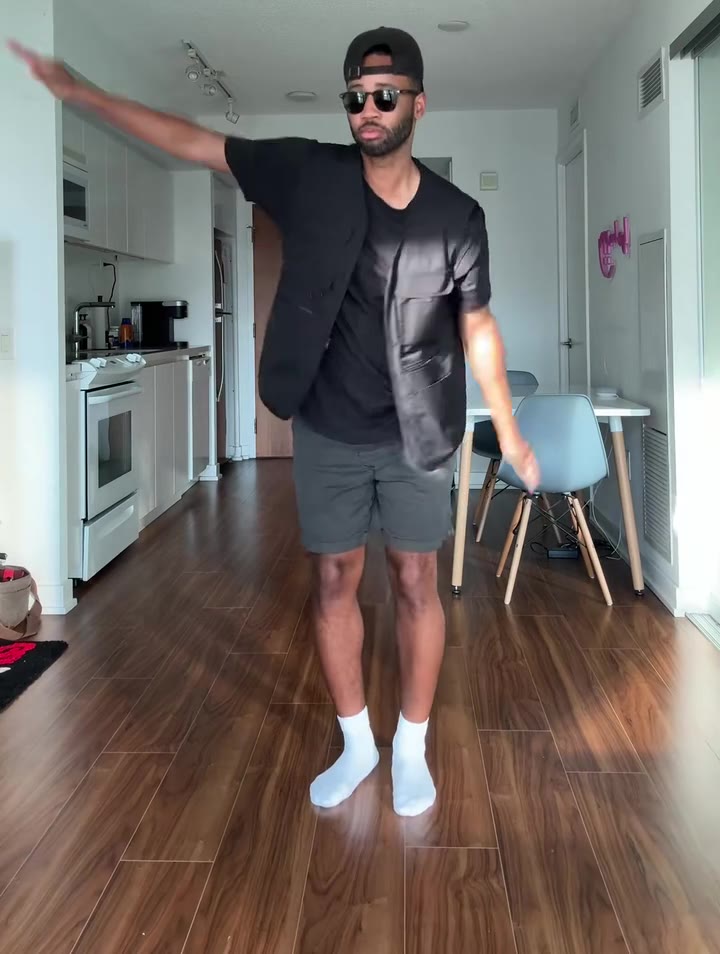
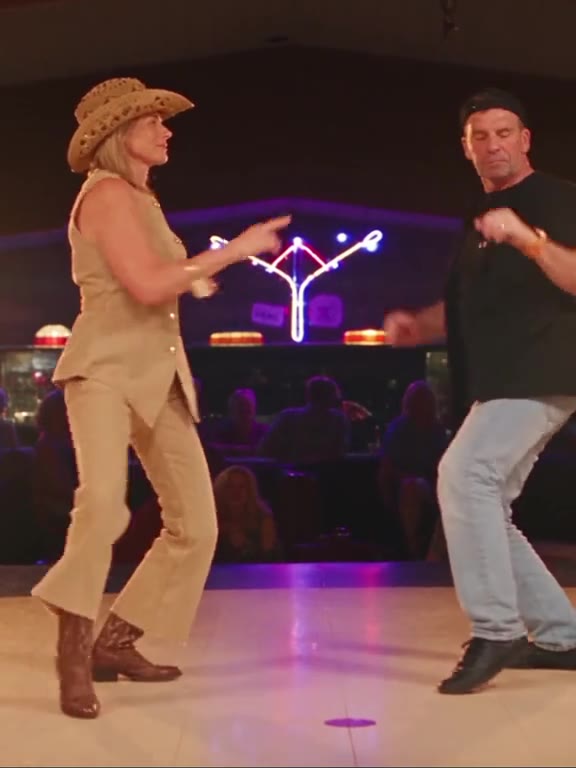
APT AI is a 15-second duo dance video set to the chorus of "APT." by ROSÉ and Bruno Mars, made from one or two photos instead of a camera. You can make one on the APT AI page, but the trend is past its peak and fading as of November 2026, so go in knowing that.
Key takeaways
- The song came out on 18 October 2024, and the dance grew out of the chorus chant, which comes from a Korean drinking game.
- The big wave of real dance clips was in late 2024; a smaller AI wave started around September 2026.
- A render is one photo of you, an optional photo of an adult friend who agreed, and a place you pick. There is no prompt to write.
- It is not free: a 15-second Standard 720p video is 13 credits, and packs start at $6.99 for 10 credits.
- There is no lip-sync, no hug or kiss, and likeness is not guaranteed.
In this guide
- What does the drinking game actually mean?
- Why did the dance spread so fast?
- Is there one official routine?
- Why did an AI wave come in 2026?
- How does a duo render work?
- How should I pick my photos?
- What about consent and AI labels?
- What happens with the music on platforms?
- What can it not do?
- Is the trend over?
What does the drinking game actually mean?
"APT." is short for apartment. The chant in the chorus, apateu, comes from a South Korean drinking game of the same name, and ROSÉ has said it is her favourite game to play with friends back home. She taught it to Bruno Mars, and the chorus was then built around the chant. That is why the hook feels like a party shout rather than a lyric: it was a call-and-response before it was a song.
The game itself is not part of the dance video. The APT AI page uses the dance, not the game, so nobody in the clip is stacking hands or calling floor numbers. The chant is only the sound under two people stepping and leaning in time.
Why did the dance spread so fast?
Three things lined up. The song itself was a huge hit: it was released on 18 October 2024 and reached number one on the Billboard Global 200. The hook is a chant anyone can shout after hearing it once. And the dance is easy: side steps, leans, arm swings across the body and low bounces, usually filmed full body on a still camera.
That last point matters for a short-video trend. A routine that needs no studio, no special space and no training lets friends try it in a hallway in one take. The earliest dance clip we found is dated 20 October 2024, two days after release, and the most-viewed clips we found date from October to December 2024.
Is there one official routine?
No. The version most people copied is a duo or solo chorus dance, but different creators use different steps, and some clips are groups or studio setups. We cannot name a single first post, and we do not claim one.
This matters for AI. The videosi version follows one popular real duo clip as its motion reference, so the steps come from that clip: a lean in, side steps, a bounce, the chant with arm swings, and a back-to-back turn with a final pose. If you saw a different routine online, a render here will not copy that one.
Why did an AI wave come in 2026?
The real dance peak had passed, and what came back was smaller. From about September 2026, clips appeared that put other people and characters into the song, often as a duo in a pink studio, and tutorials for making them showed up in early October 2026.
The reason is simple. A duo dance needs two people in the same place at the same time, and AI video removes that need. A song people already know gives the clip an instant hook, and the format fits a single photo as input. We read this as a revival driven by a new tool, not by a new dance, and we expect it to be short.
How does a duo render work?
The render starts from a real 15-second clip of two people doing the APT steps on a still camera. That clip supplies the motion and timing. Your photo replaces one dancer, and a second photo replaces the other. If you add no second photo, an ordinary adult stranger dances beside you instead.
You then pick one of three places: a purple party room, a city square at night or a pink studio. The place changes only the background. Your face, hair and clothes come from your photo for the whole 15 seconds, and the song is placed on the finished video. The model is Seedance from ByteDance, and you pick the tier. We do not publish the full prompt.
One known weak spot: with two dancers, a face can jump from one body to the other during the close turns. That is why separate photos in which you two look clearly different work best.
How should I pick my photos?
Think of the photo as the only source of truth, because it is. The dance is framed head to toe, so a full-body photo gives the model your shape and your outfit. Use these rules:
- Face the camera in even, flat light.
- Keep your face sharp and clear, with no sunglasses, mask or heavy filter.
- Wear what you want to dance in, since your clothes come from the photo.
- Use one person per photo, and do not crop a friend out of a group shot.
If you want a look from the trend, such as a jacket or sunglasses, upload a photo of yourself already wearing it. The place you pick does not add costumes, wigs or accessories. The generator shows the three place previews before you commit.
What about consent and AI labels?
Only upload photos of yourself, or of adults who have said yes. Do not upload a photo of a child, a celebrity or anyone who has not agreed. A dance video of a real person is still a video of a real person, and a friend should get to say no before their face is in it.
When you post, mark the clip as AI-generated where the platform asks. Many platforms now have a setting for this, and using it protects you if a viewer takes the clip for real footage. It also keeps the trend honest: a clip that shows two people dancing together should say when they were never in the same room.
What happens with the music on platforms?
Videos made on videosi come with the song on them, about 15 seconds taken from the reference clip. videosi is not affiliated with ROSÉ, Bruno Mars or the song's rights holders. A commercial track can be muted or limited by a platform, and what happens depends on the platform, your account type and your country.
If a post is muted, you can still keep the video and add a different sound inside the app you post to. Treat the sound as a feature that may or may not survive upload, and check how the clip plays after you post it. For anything beyond personal posting, read the platform's music rules yourself.
What can it not do?
- No lip-sync. The mouths do not follow the words.
- No hug or kiss. The video is two adults dancing side by side.
- Likeness is not guaranteed. Small faces, sunglasses and fast turns can shift how you look.
- No photos of minors or people who did not agree.
- No other routine. The steps come from one reference clip.
It also costs money. There is no free generation. A 15-second Standard 720p video is 13 credits, and credit packs start at $6.99 for 10 credits. Better models and higher resolutions cost more. A failed, timed-out or blocked render returns its credits automatically.
Is the trend over?
Mostly, yes. As of November 2026 the APT dance is past its peak: the most-viewed real clips date from late 2024, and the 2026 AI wave is smaller. People still post new clips, so we list the trend as fading rather than finished, but we would not expect it to grow again.
That does not make the song or the format worthless. A duo dance with a friend you cannot meet in person is still a nice thing to send, and the clip does not need a viral audience to do its job. If you want views, an older trend will not give them to you. If you want a short, funny video of you and a friend stepping to a song you both know, the APT AI page makes one in a few minutes.
Sources used for the song facts: the Wikipedia article on "APT." for the release date, the drinking game and the chart position, plus our own notes on the clips we found.