Abra Kadabra Trend AI: The Hand Dance, Starring You
Hands on the hips, the magic beat, a hand over the mouth and a double thumbs-up, danced by you, alone or with your double. One photo is enough.
Updated : Page published.
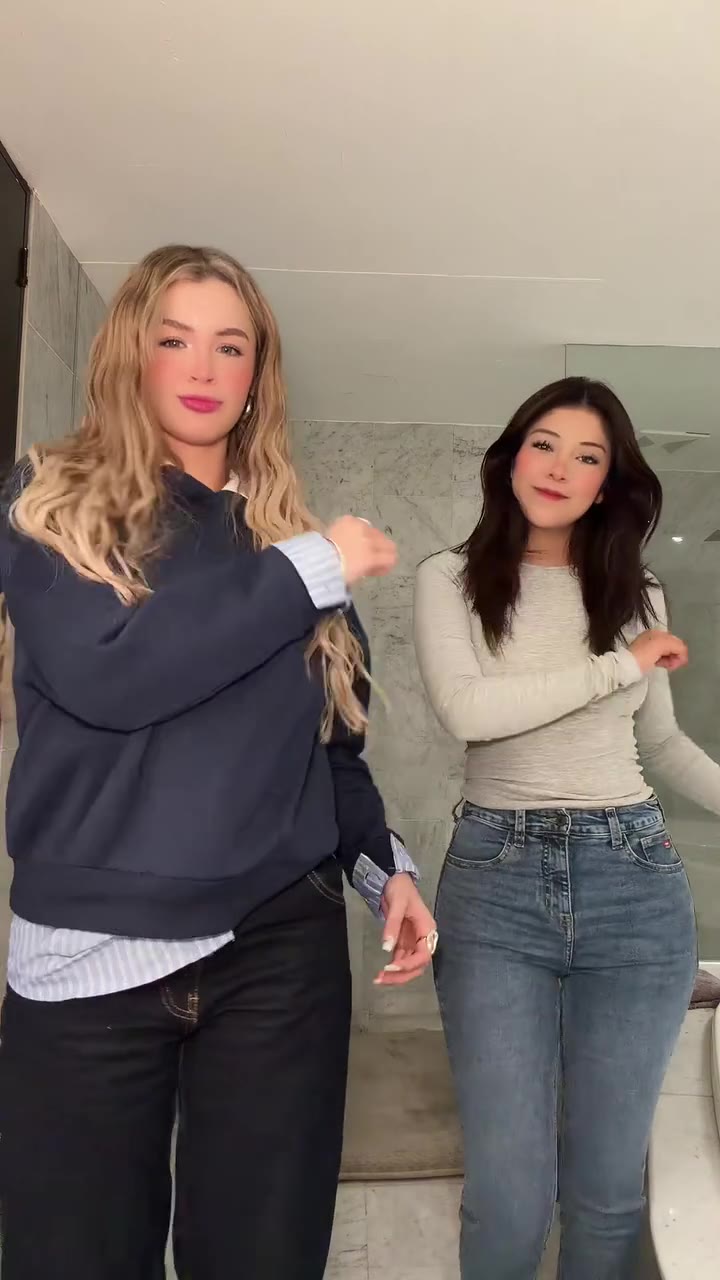
1Add your photo
Front-facing, well-lit selfies work best. One face per photo.
2Who dances
3Choose quality
By generating you confirm you have permission to use the people in your photos. Terms
In one sentence
The Abra Kadabra AI dance is an 11-second TikTok hand-gesture routine where a second dancer appears as if by magic and both finish with a thumbs-up; videosi makes it from one photo of you.
- Fast facts
- First seen
- Stage
- Just starting
- Started on
- TikTok (unconfirmed)
- Sound
- som original — Dudex
- Meaning
- The Abra Kadabra trend is a TikTok hand-gesture dance in which a second dancer appears on the magic-word beat and both finish with a hand over the mouth and a double thumbs-up.
- Related trends
- Charme Dance AI, AI Dance
Page updates
- October 26, 2026 — Page published.
How it is made
The Abra Kadabra AI dance prompt and model
Abra Kadabra AI dance is made with Seedance 2.0 / 2.5 (you pick the tier) by ByteDance. The prompt behind it has 5 parts, and the timing is what makes or breaks it.
- Model
- Seedance 2.0 / 2.5 (you pick the tier)
- Mode
- Photo + motion reference to video
- Length
- 11 seconds, 9:16, 1:1 or 16:9
- Input
- 1 photo
- Identity lock Your photo is the only source for the face, hair, build and outfit, held identical in every frame and on both copies in double mode.
- Motion reference A solo clip of the routine supplies every hand gesture, the timing and the camera distance, and nothing else.
- Scene Solo or double, then one bright room with plain walls and soft daylight, with nobody else in it.
- Timeline Six beats over 11 seconds, from the hands-on-hips wait to the cover-the-mouth spell and the thumbs-up finish.
- Rules Only the dancers asked for, five fingers per hand, no cuts, no text or emoji, no slow motion, nothing suggestive.
Photorealistic live-action phone footage, 11 seconds, one continuous take, phone propped at chest height, steady, framed from the head to mid-thigh.…
Why it goes wrong when you do it yourself
- Without a motion reference the model invents a generic sway, and the trend is only recognisable by its exact hand gestures.
- The hand over the mouth is where AI video breaks first: fingers merge or the face changes unless the prompt guards against it.
- Asking for a second copy of the same person without precise timing gives two different-looking people, or the double is there from the first frame.
- Each try costs credits and several minutes, so a prompt that drifts on the first try gets expensive.
Abra Kadabra AI dance examples
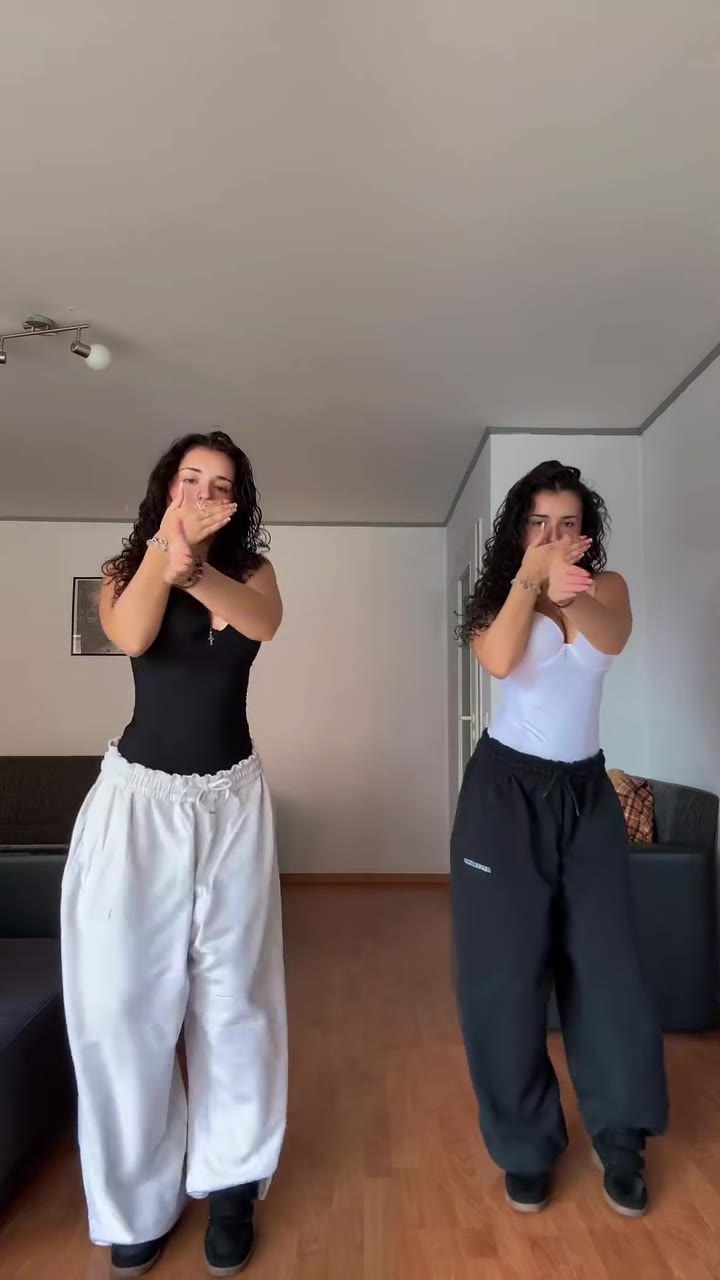
Living room duo
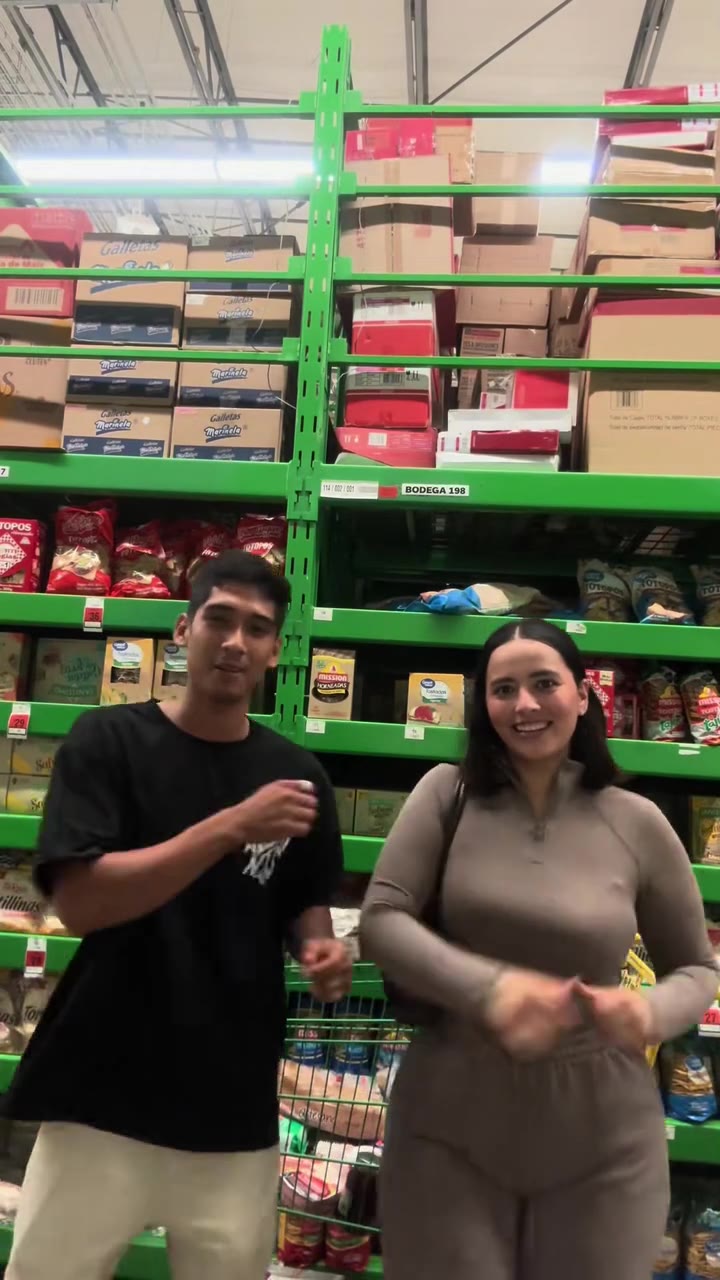
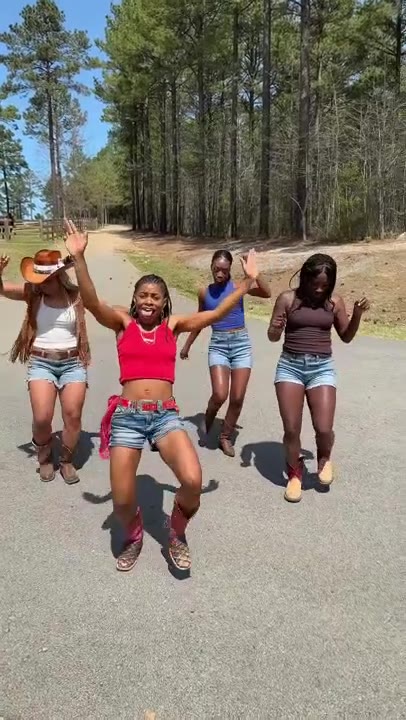
Supermarket aisle surprise
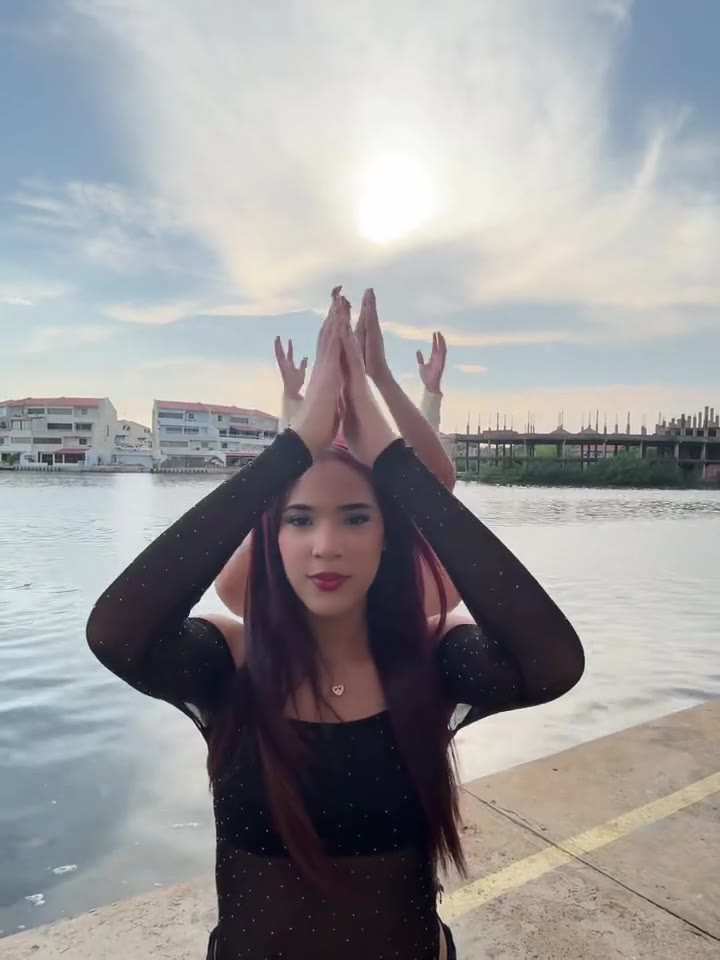
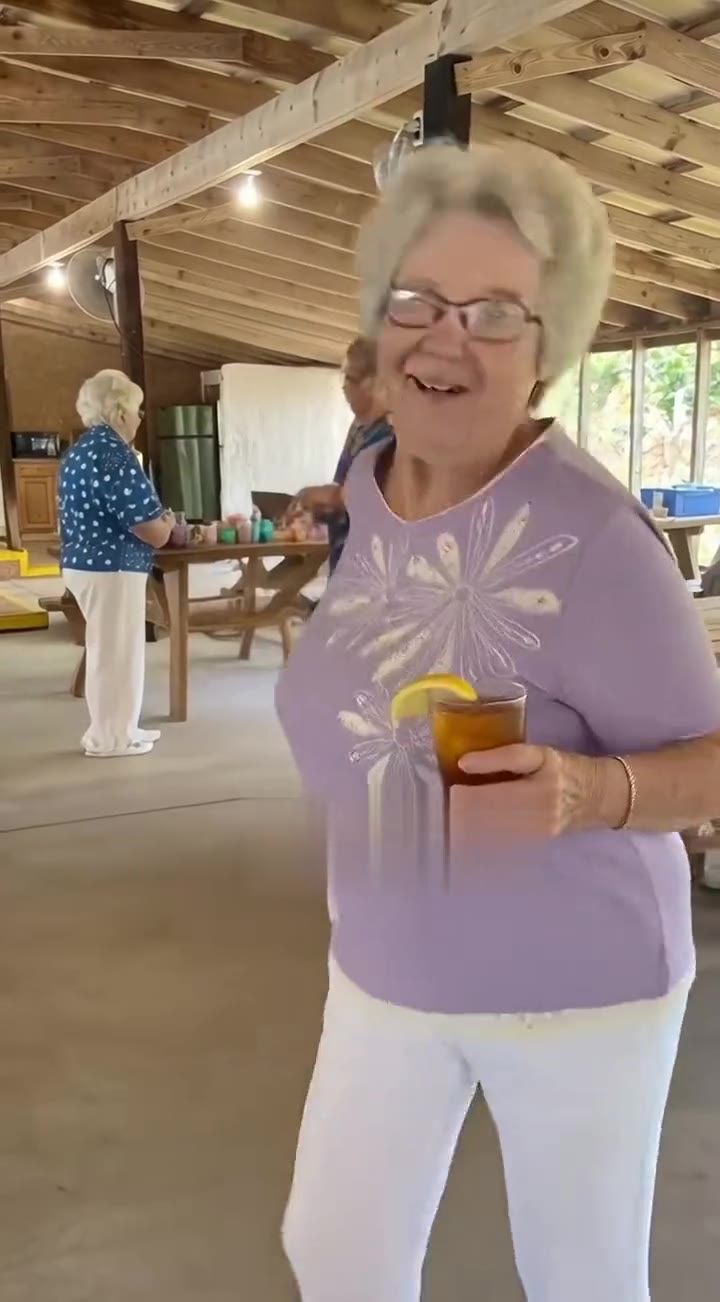
Lakeside hidden-arms trick
How to make your Abra Kadabra AI dance video
Upload one photo of yourself
Waist up or full body, facing the camera, both hands visible, even light. What you wear in the photo is what you dance in.
Choose Solo or You + your double
Solo keeps just you. Double makes a second copy of you appear on the beat, then you both dance in sync.
Generate and download
Press Generate and the 11-second dance is rendered for you. It is a silent MP4 with no watermark.
Post it with the trend sound
Upload to TikTok or Reels and add the Abra Kadabra sound there, with the hook landing at about 3.5 seconds.
What is the Abra Kadabra AI dance trend?
Updated · videosi is an independent tool. It is not affiliated with TikTok, Instagram, YouTube, or with the owners of any trend, song, game or brand named on its pages.
Abra Kadabra is a short hand-gesture dance on TikTok. One person stands with hands on the hips and nods to the beat, and on the hook a friend appears beside them, or a pair of hidden arms pops out from behind, as if conjured by the magic word. Then both do the same routine: rolling fists, one hand over the mouth while the other sweeps out, and a double thumbs-up, all in about 11 seconds.
The sound most clips use is credited on TikTok as "som original" by the account Dudex. It was first posted on 19 May 2026, but the dance itself took off much later: the earliest dance clips we found date from 21 August 2026, and duo versions drew millions of views each in September. By 26 October 2026 the sound had about 417,500 videos. Spanish-speaking creators also use the same sound for "aura" caption memes without the dance.
Every remake we found was filmed by real people. The AI version is new: videosi makes it from one photo, so you can post the trend without filming or waiting for a friend.
Pick Solo to dance the routine alone, or You + your double: a second copy of you appears on the beat and both copies dance in sync. The moves and camera distance come from a built-in reference clip, and your face, hair and outfit come from your photo. The video is silent: add the trend sound on TikTok when you post.
Abra Kadabra AI dance: shot by shot
- 0-1 s
Lean in
A close, knowing look at the lens, then a step back into frame.
- 1-3.5 s
The wait
Hands on the hips, small nods and a shoulder bounce on the beat. In duo clips the second dancer appears here.
- 3.5-5 s
Fist roll
Fists roll at the chest, one forearm swings across, a hand flicks up by the face.
- 5-6.5 s
Rolling fists
Quick rolling fists at chest height, elbows out.
- 6.5-9 s
The spell
One hand covers the mouth while the other flat hand sweeps out, twice, like blowing a spell.
- 9-11 s
Thumbs up
Double thumbs-up and a confident smile at the camera.
Tips for a better result
Keep both hands in the photo
The routine is all hand work. A photo with your hands visible gives the model your real skin tone, nails and sleeves.
Face the camera in even light
A front-facing photo without harsh shadows holds your likeness when a hand covers your mouth.
Skip sunglasses and face masks
Anything covering your face makes the likeness drift, and in double mode the two copies stop matching.
Wear something simple
A plain top that stands out from the background keeps the gestures readable and the double looking identical.
Good to know before you make a Abra Kadabra AI dance video
- Hands are where AI detail fails first: in the rolling fists and cover-the-mouth move you may see merged or extra fingers.
- Likeness is not guaranteed, and in double mode the two copies can differ slightly in face or outfit.
- The video is silent and carries no lyrics or captions. Add the trend sound on TikTok yourself.
- A failed, timed-out or blocked render returns its credits automatically.
Abra Kadabra AI dance: questions
What is the Abra Kadabra trend on TikTok?
The Abra Kadabra trend is an 11-second hand-gesture dance on TikTok: one person waits with hands on the hips, a friend appears beside them on the beat, and both do rolling fists, a hand over the mouth and a double thumbs-up. The dance clips took off from late August 2026. videosi makes an AI version from one photo of you.
What does "abra kadabra" mean in the trend?
In the trend, "abra kadabra" is the magic word: on the hook a second dancer appears as if conjured, or hidden arms pop out behind the first dancer. The hand over the mouth with a sweeping flat hand looks like blowing a spell at the camera. On videosi the AI version keeps that 11-second magic beat, solo or with your double.
What song is used in the Abra Kadabra dance?
Most Abra Kadabra dance clips use a TikTok sound credited as "som original" by the account Dudex, first posted on 19 May 2026 and used in about 417,500 videos by 26 October 2026. Other uploads of the same hook exist. The track's original title and artist are unconfirmed. The videosi AI video is silent; add the sound on TikTok.
How do I make the Abra Kadabra AI dance from one photo?
Upload one photo of yourself to videosi, choose Solo or You + your double, pick a format (9:16, 1:1 or 16:9) and press Generate. The Abra Kadabra AI dance is an 11-second silent MP4, and you write no prompt. Rendering takes several minutes; the result is saved in My creations, so you can close the page.
Can I do the Abra Kadabra trend alone, without a friend?
Yes. On videosi the You + your double option makes the Abra Kadabra duo from one photo: a second copy of you appears beside you at about 3.5 seconds, then both copies dance in sync for the rest of the 11-second clip. No second person is needed, and no one else's photo is used. Solo mode keeps just you.
Is there a website or generator for the Abra Kadabra AI dance?
Yes. videosi (videosi.io) is a web tool that makes the Abra Kadabra AI dance from one photo. The motion reference, prompt and camera distance are built in, so you choose only the photo, solo or double, and the format. A standard 11-second video (Standard model, 720p) is 10 credits, and the MP4 downloads without a watermark.
Is there an Abra Kadabra filter on TikTok or a CapCut template?
We did not find an official Abra Kadabra AI filter on TikTok, and the CapCut templates we saw under the name were photo slideshows, not the dance; templates change often, so check inside the apps. videosi is independent and not affiliated with TikTok or CapCut. On videosi you upload a photo and get an 11-second dance MP4.
Trending this week
All trends this week
More effects like this
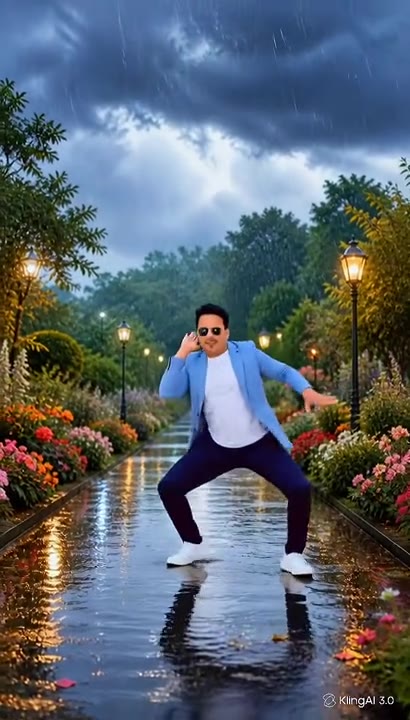
All dance effects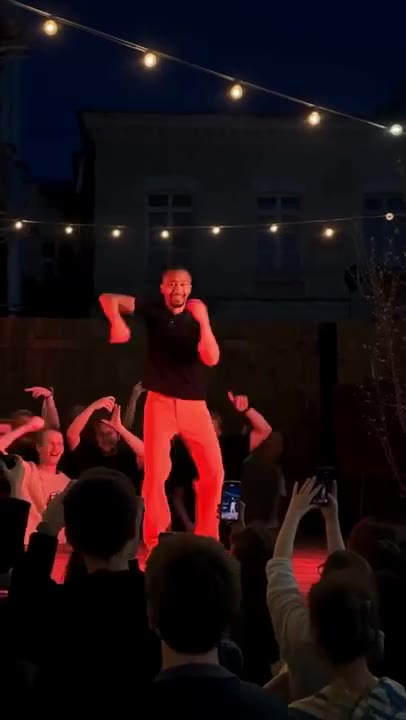
Make your Abra Kadabra AI dance video
Upload a photo and press Generate. 10 credits, refunded if it fails.
Get the next trend first
One email when new trends land on videosi, about once a week. Unsubscribe in one click.
See videosi first on Google
Add videosi as a preferred source and our trend pages show up first in your Top Stories and AI answers on Google.