Opa Opa Opa Trend: The Bouncy Hair Bounce, Starring You
You shake your head to the "opa opa opa" chant and your hair springs up and bounces back like a shampoo ad. One photo of you is all it takes.
Updated : Page published.
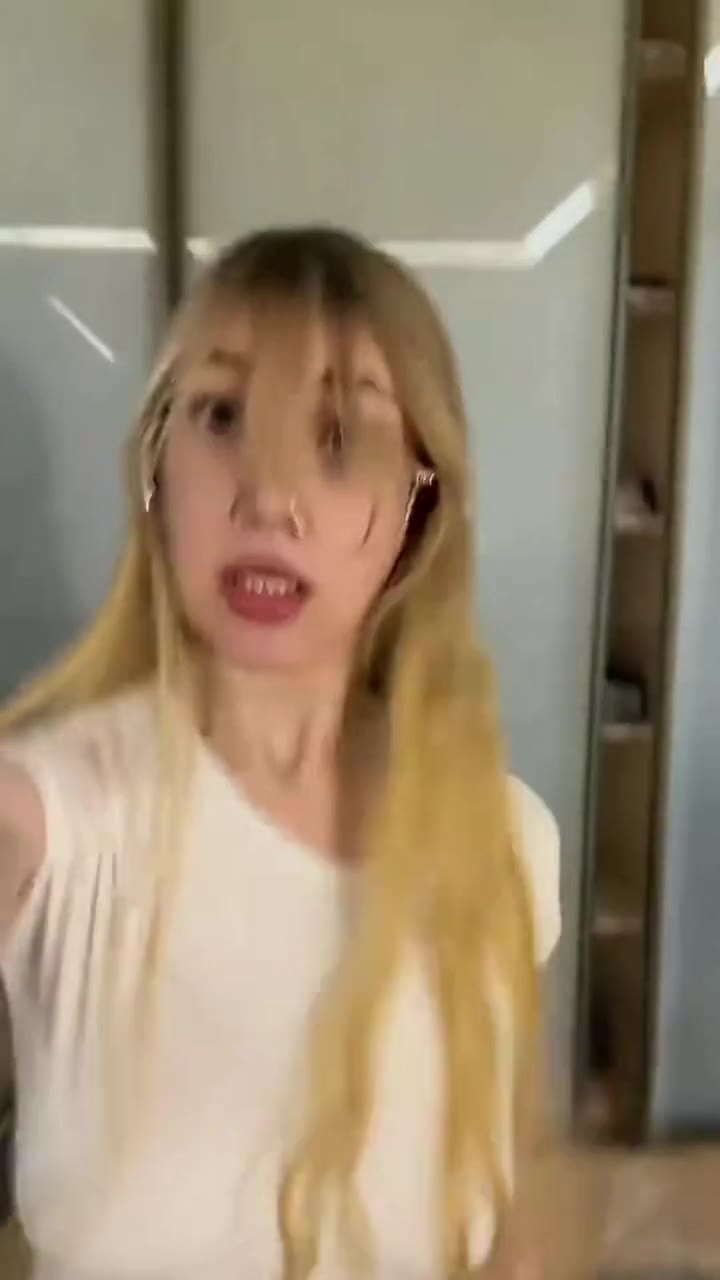
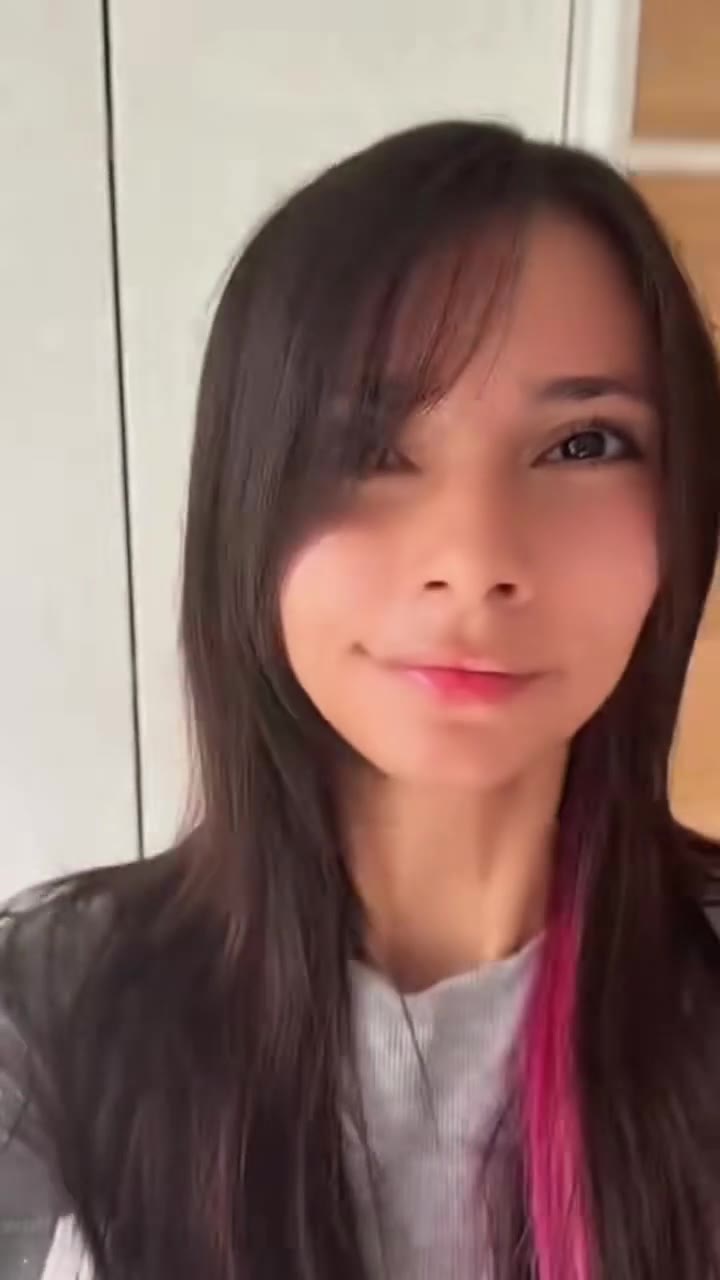
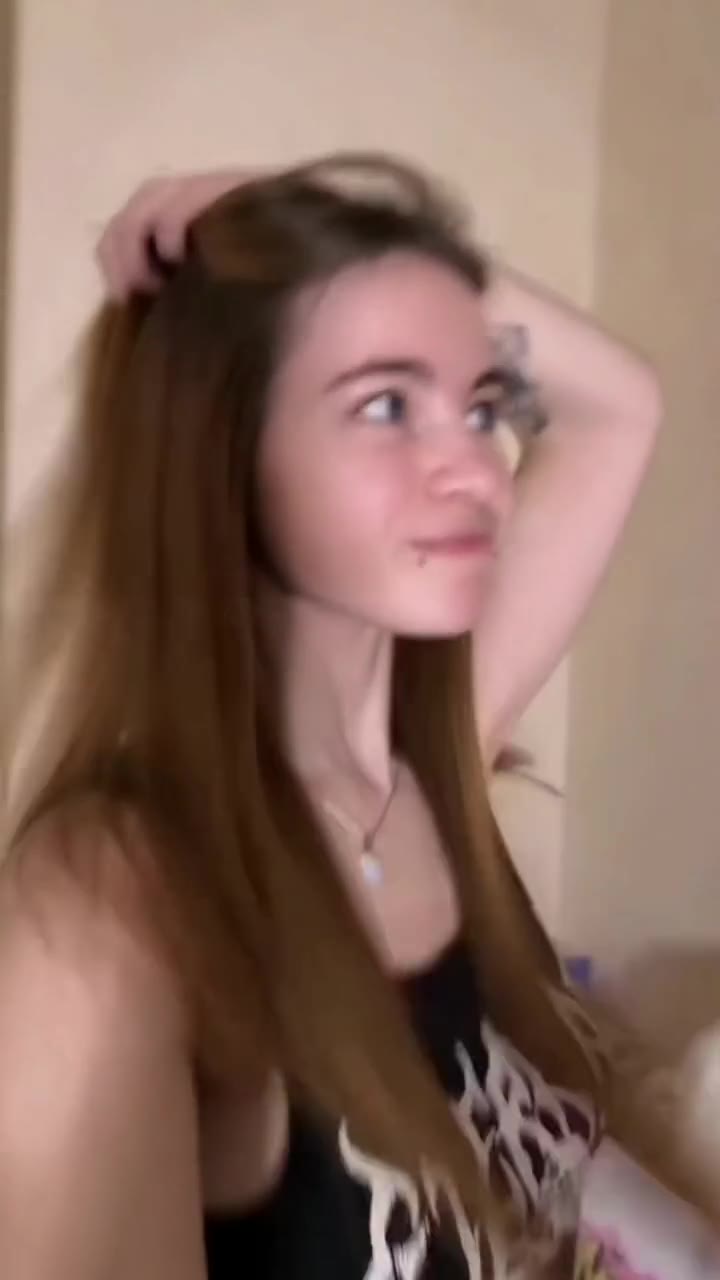
1Add your photo
Front-facing, well-lit selfies work best. One face per photo.
2Choose quality
By generating you confirm you have permission to use the people in your photos. Terms
In one sentence
The bouncy hair trend is a 7-second front-camera selfie in which a person shakes their head to a chanted "opa opa opa" sound and their hair springs up and bounces back; videosi makes it from one photo of you.
- Fast facts
- First seen
- Stage
- Just starting
- Started on
- TikTok (unconfirmed)
- Sound
- An "original sound" with a chanted "opa opa opa"; promo captions call it Russian and quote "slish ti zalip". Song title and artist not confirmed.
- Meaning
- The bouncy hair trend is a TikTok selfie meme in which a person shakes their head to a chanted "opa opa opa" sound and their hair springs up and bounces back like a shampoo ad.
- Related trends
- Turn the Lights Off AI
Page updates
- October 28, 2026 — Page published.
How it is made
The Bouncy Hair AI prompt and model
Bouncy Hair AI is made with Seedance 2.0 / 2.5 (you pick the tier) by ByteDance. The prompt behind it has 5 parts, and the timing is what makes or breaks it.
- Model
- Seedance 2.0 / 2.5 (you pick the tier)
- Mode
- Photo + motion reference to video
- Length
- 7 seconds, 9:16, 1:1 or 16:9
- Input
- 1 photo
- Replace and identity The person in the reference selfie is swapped for the person in your photo, with your face, face shape, hair colour, haircut and outfit held in every frame.
- Motion reference The original 7-second selfie supplies the arm's-length framing, the head bobs, the side-to-side shakes and the final lean in.
- The bounce Each shake lifts the hair, springs it up and lets it settle in two smaller bounces with a soft elastic delay.
- Look Plain phone footage in natural indoor light, one continuous handheld shot, no studio gloss.
- Rules One adult, five fingers, no text or logos, no lip-sync, and the hair keeps its own colour and length.
Replace the woman with long caramel-brown layered hair, heavy eye makeup and a pink-and-black striped top in Video 1 with the person from Image 1…
Why it goes wrong when you do it yourself
- Without a motion reference most models either keep the hair stiff or shake the whole head so hard the face morphs between frames.
- Generic video models tend to restyle the hair into glossy salon waves or change its colour; the bounce has to be asked for as movement only.
- In tight selfie close-ups the face shape of the reference person leaks in and slims the new face unless the prompt forbids it.
- A photo with the hair tied up or hidden under a hat gives the model nothing to bounce, so the result looks like a plain head shake.
Bouncy Hair AI examples
Pink-streak hair flip
Long hair, hand through
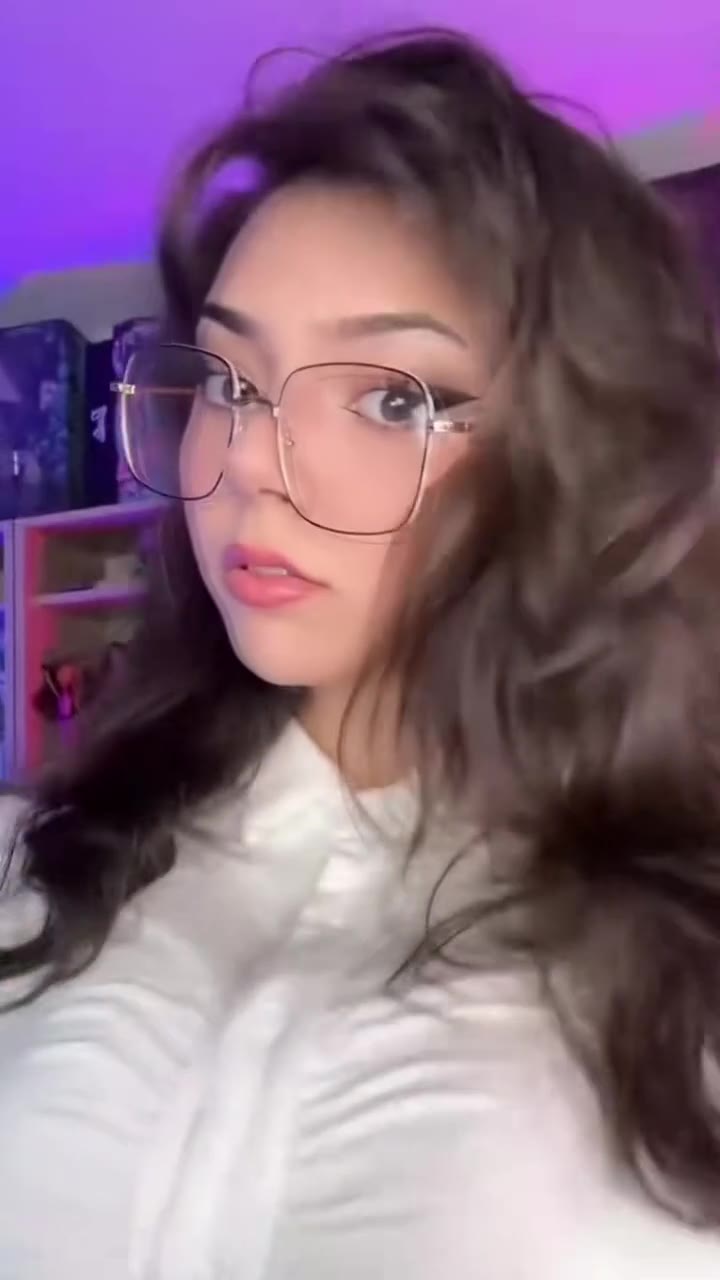
Curly bounce with glasses
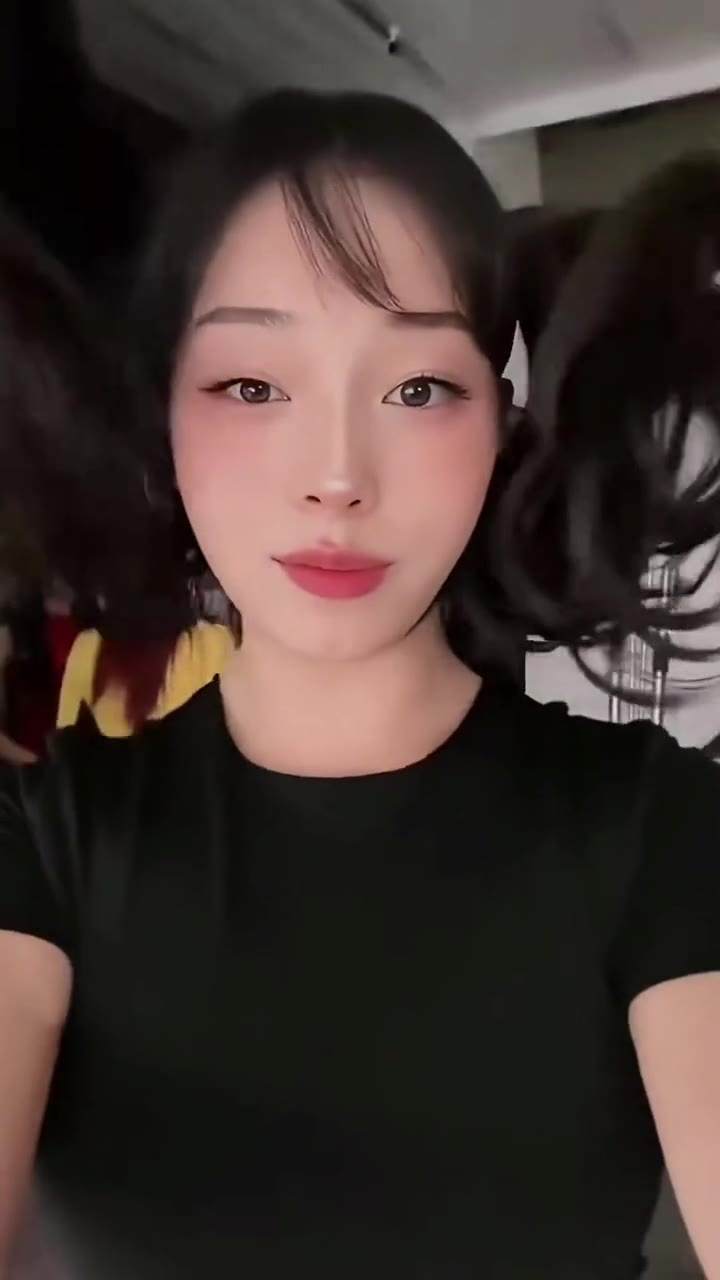
Dark bob shake
How to make your Bouncy Hair AI video
Upload one photo of yourself
Face to the camera, hair down and visible, head and shoulders in frame. The outfit and hair in the photo are what the video shows.
Pick the format
9:16 for TikTok, Reels and Shorts, or 1:1 and 16:9. There is nothing else to set: the bounce and timing are built in.
Generate and download
Press Generate and the 7-second clip is rendered for you, an MP4 with no watermark and the opa opa opa trend sound already on it.
Post it
Post it as it is or swap the sound in your app's library, and label the clip as AI-generated.
What is the Bouncy Hair AI trend?
Updated · videosi is an independent tool. It is not affiliated with TikTok, Instagram, YouTube, or with the owners of any trend, song, game or brand named on its pages.
The bouncy hair trend is a short front-camera selfie. A person grins at the lens, bobs their head to a chanted "opa opa opa" and then shakes it side to side, and on every shake the hair lifts off the shoulders, springs up and bounces back as if it were made of springs. The joke is the shampoo-ad volume: "my hair's so fluffy and bouncy".
The earliest post we found is a CapCut template promo from 6 October 2026; the most-watched clip, a 7-second selfie by a non-famous creator on an original sound, followed on 19 October 2026. Since then template promo accounts have been reposting results with the same caption: upload one picture and your photo gets bouncy hair with the opa opa opa sound. Those promos call it a Russian bounce hair trend and quote the line "slish ti zalip"; the song itself is not credited anywhere we could check. The CapCut template the radar flagged, named "opa opa opa", dates from July 2026 and has about 15,000 uses.
As of 28 October 2026 the trend is only just starting to spread, mostly through template promos rather than organic remakes, so there are no reliable view totals for the hashtag yet.
This page makes your own version from one photo: your face, your hair colour and your outfit, with the head bobs and the springy bounce taken from the original clip and the trend sound already on the video.
Bouncy Hair AI: shot by shot
- 0-1.5 s
Hi, camera
Front-camera close-up, phone held at arm's length. You smile into the lens and bob your head on the first "opa".
- 1.5-3.5 s
First bounces
Head tilts left and right with a pout; the hair swings out and lands back on the shoulders with a soft spring.
- 3.5-5.5 s
Full shake
Quick side-to-side shakes on each "opa": the hair flies up in a cloud, motion-blurred, and bounces back twice before the next shake.
- 5.5-7 s
The grin
The shaking stops, the hair settles with a last little bounce and you lean toward the lens with a big grin.
Tips for a better result
Wear your hair down
Shoulder-length or longer hair worn loose bounces best. Buns, tight ponytails and very short cuts leave little to move.
Face the camera
A straight, front-facing selfie with both eyes visible lets the model keep your likeness while your head shakes.
Keep hair off the face
Bangs are fine, but hair covering half the face in the photo makes the face drift during the shakes.
No hats or hoods
Clear glasses are fine and stay on. Caps, hoods and headscarves hide the hair the trend is about.
Good to know before you make a Bouncy Hair AI video
- The trend sound is already on the video, but you never sing or lip-sync to it.
- Likeness is not guaranteed and drifts most during the fast shakes in seconds 3 to 6.
- Only adults: photos of babies, children, celebrities and public figures are not accepted, and the clip does not use the original creator.
- A failed, timed-out or blocked render returns its credits automatically.
Bouncy Hair AI: questions
What is the bouncy hair trend?
The bouncy hair trend is a 5 to 7 second front-camera selfie clip in which a person shakes their head to a chanted "opa opa opa" sound and their hair springs up and bounces back like a shampoo ad. It started spreading on TikTok in October 2026 and videosi makes the same 7-second clip from one photo of you.
How do I make the bouncy hair video from one photo?
On videosi you upload one front-facing photo, pick the format and press Generate: the 7-second bouncy hair video comes back as an MP4 with the trend sound already on it. The motion of the head shakes and the bounce comes from a reference clip, so you do not need to film yourself or write a prompt.
Is there a bouncy hair AI generator or website?
Yes: videosi.io/opa-opa-opa-trend is a web generator for the bouncy hair trend that works in the browser on a phone or computer. It turns one photo into a 7-second clip with your face, your hair colour and your outfit, and no app install is needed.
Is there a bouncy hair CapCut template or TikTok filter?
The bouncy hair trend spread in October 2026 mainly through CapCut template promo videos that say "your photo will get bouncy hair with the opa opa opa sound"; templates change and disappear often, so search inside CapCut. videosi is independent and not affiliated with TikTok or CapCut, and its version is a web tool, not a filter.
What does "opa opa opa" mean in the bouncy hair trend?
In the bouncy hair trend "opa opa opa" is simply the chant in the sound: "opa" is an exclamation like "whoop" or "oops" in Russian, Greek and Portuguese, and the head shakes land on each "opa". Promo captions also quote a Russian line transliterated as "slish ti zalip", roughly "hey, are you zoning out?"; videosi has not confirmed the full lyric.
What song is used in the bouncy hair trend?
As of October 2026 no single confirmed song is credited for the bouncy hair trend: the most-used clip runs on an "original sound" with a chanted "opa opa opa", and promo posts call it a Russian sound. videosi puts that trend audio on every 7-second render, and you can swap it in the app where you post.
What AI model and prompt does the bouncy hair video use?
videosi makes the bouncy hair video with ByteDance's Seedance model (Seedance 2.0 Mini by default; Fast, Pro and Seedance 2.5 Ultra are one click away) from a five-part prompt plus a 7-second motion reference. The full prompt is built in rather than published. Typed prompts alone usually give stiff hair or a different hairstyle.
Trending this week
All trends this week

More effects like this
All viral effects

Make your Bouncy Hair AI video
Upload a photo and press Generate. 6 credits, refunded if it fails.
Get the next trend first
One email when new trends land on videosi, about once a week. Unsubscribe in one click.
See videosi first on Google
Add videosi as a preferred source and our trend pages show up first in your Top Stories and AI answers on Google.