Halloween AI Video: Every Trend You Can Star In This Year
Updated · Halloween is on (in 7 days)
Halloween 2026 falls on Saturday 31 October, and the AI videos people post in the two weeks before it follow a few recognisable formats: a photo that turns into a zombie, a skeleton dance to Spooky Scary Skeletons, a ride on a flying broom, the Thriller choreography. Each of them started as a TikTok or Instagram trend and each one has its own page here with the examples, the timeline of the clip and a generator that makes it from one photo of you.
This page gathers them in one place and is updated as new Halloween formats start spreading. The dates on each trend are when it was first seen, not when we added it, so you can tell what is new this week from what came back from last year.
Everything below works the same way: upload one clear photo of yourself (or your pet, where the page says so), pick the look, and the video is ready in about three minutes as a vertical clip without sound. Post it with the sound of the trend you are copying.
Halloween trends you can make now
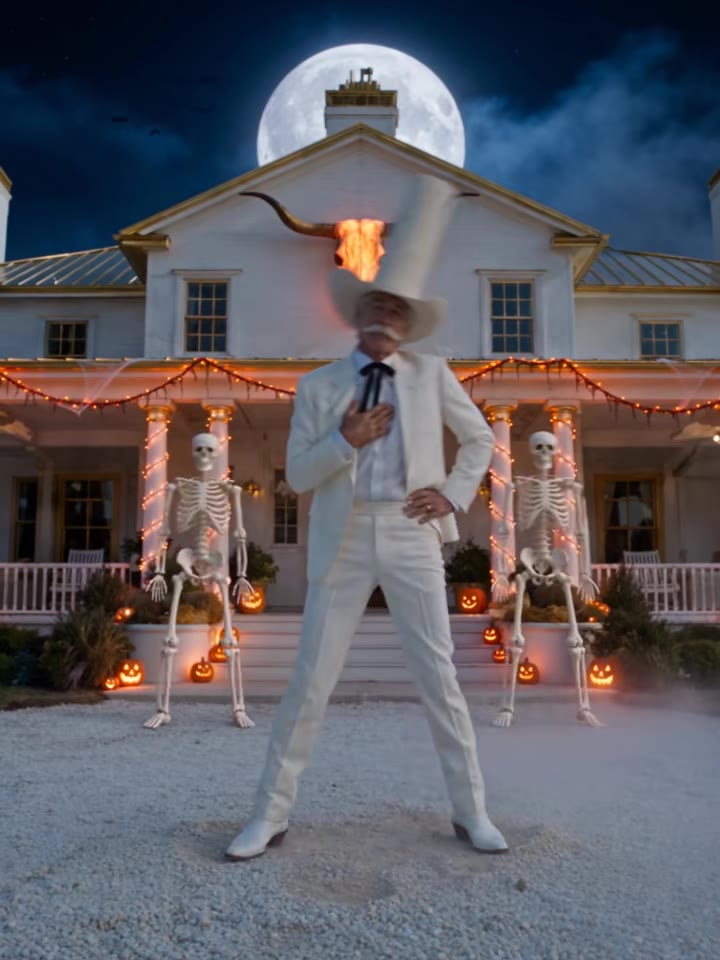
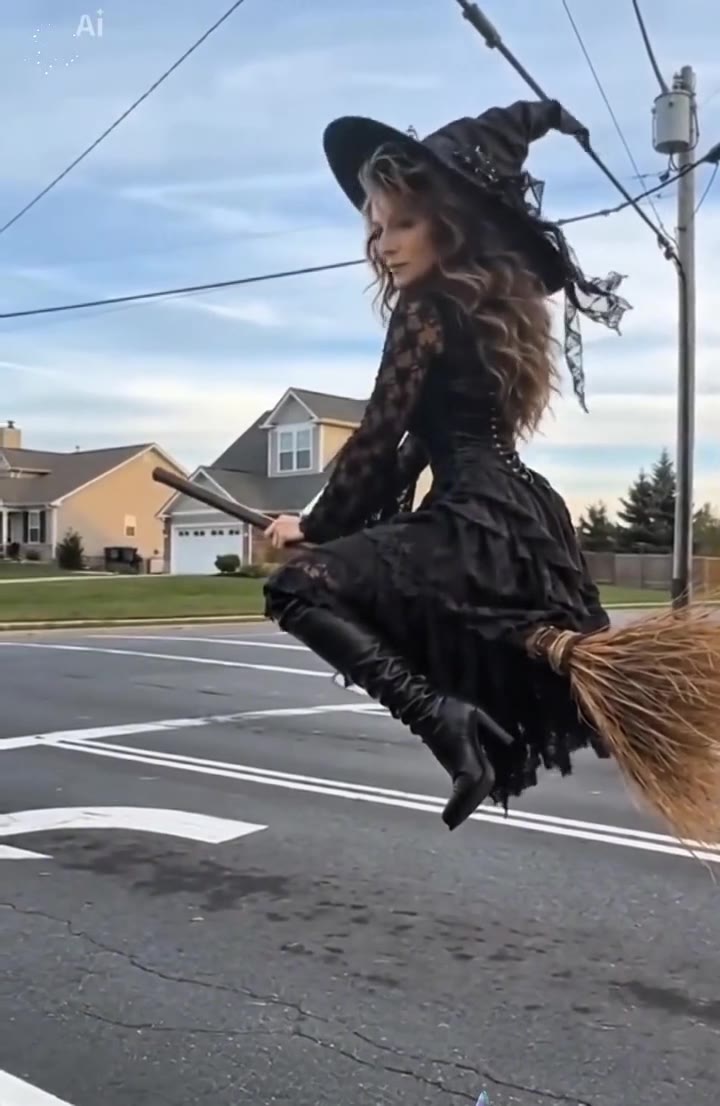
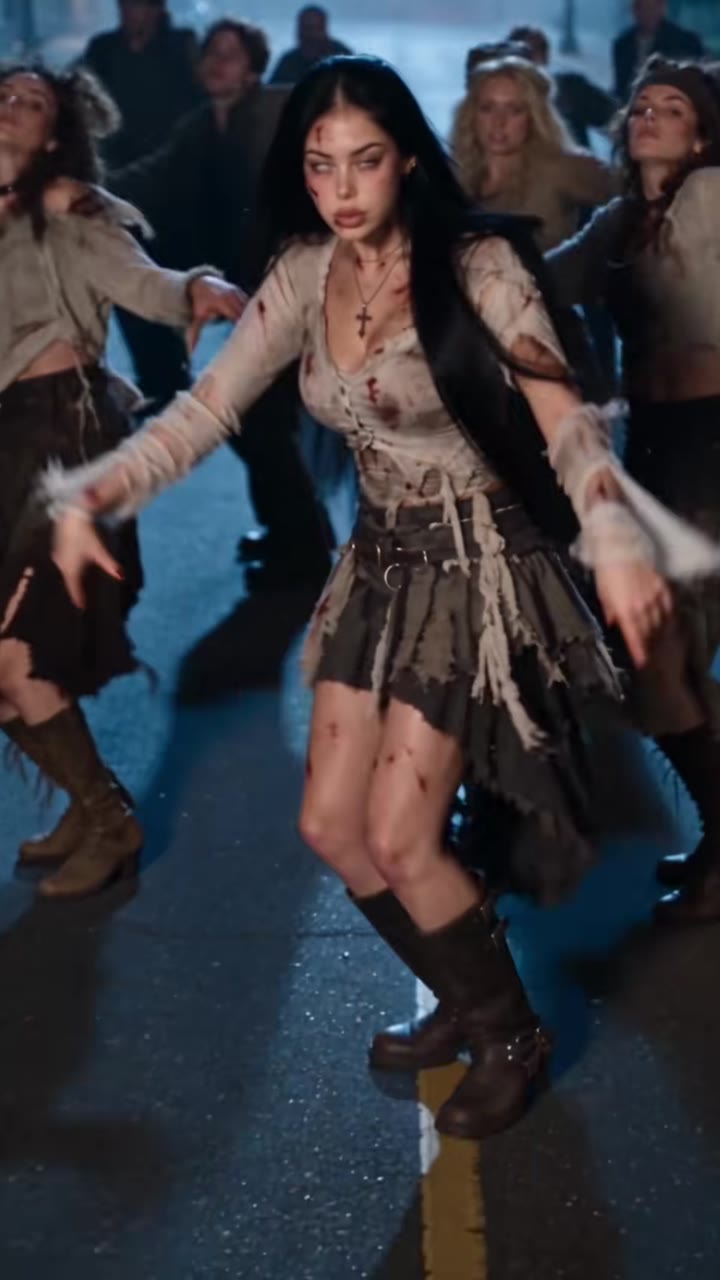
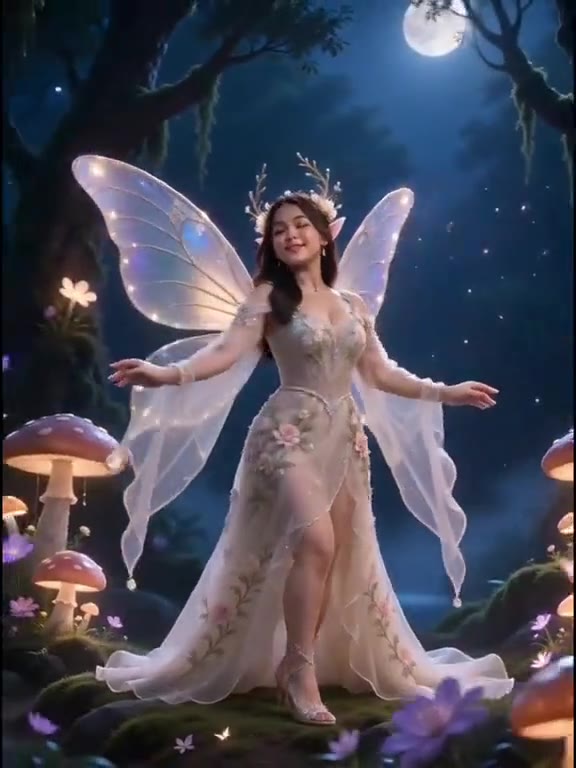
Halloween Costume AI Video
First seen · Spreading · Sound: Ramalama (Bang Bang) — Róisín Murphy · 1 photo · 12 s
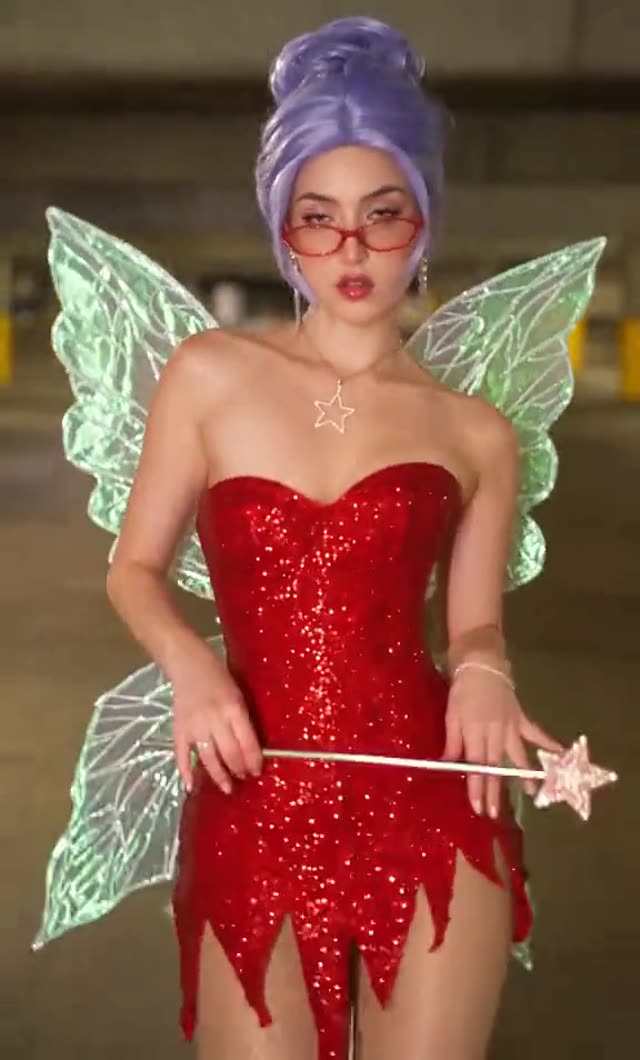
The Ramalama costume walk is a Halloween 2026 TikTok trend in which the camera sits on the ground, follows someone's shoes as they walk toward it, and tilts up on the drop of "Ramalama (Bang Bang)" to reveal their full costume.
Vampire AI Video
First seen · Just starting · 1 photo · 10 s
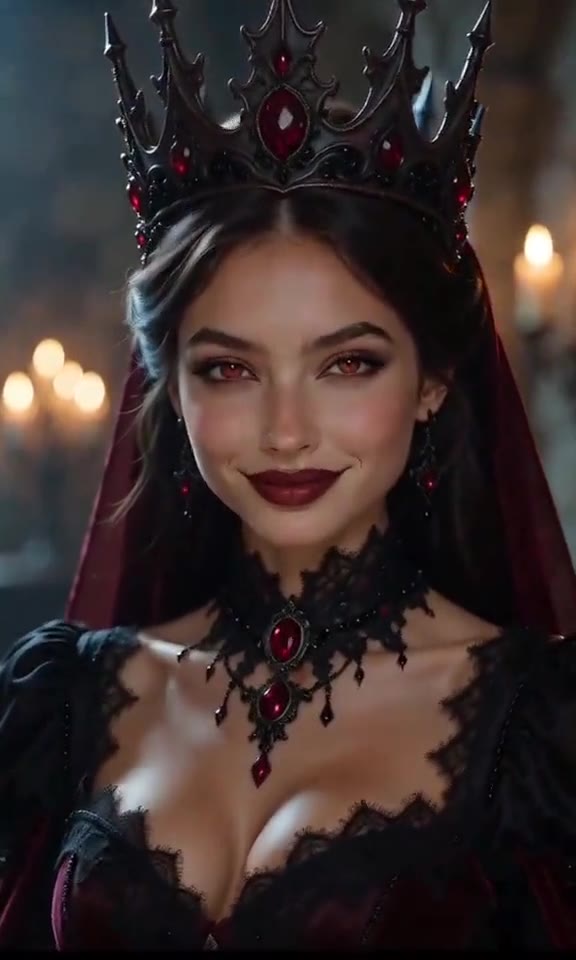
The vampire transformation AI trend is a short Halloween video, made from one photo, in which a person standing still turns into a vampire on camera: pale skin, crimson eyes, a gothic cape or gown, and a slow smile that shows two fangs.
Werewolf Transformation AI
First seen · Just starting · 1 photo · 12 s
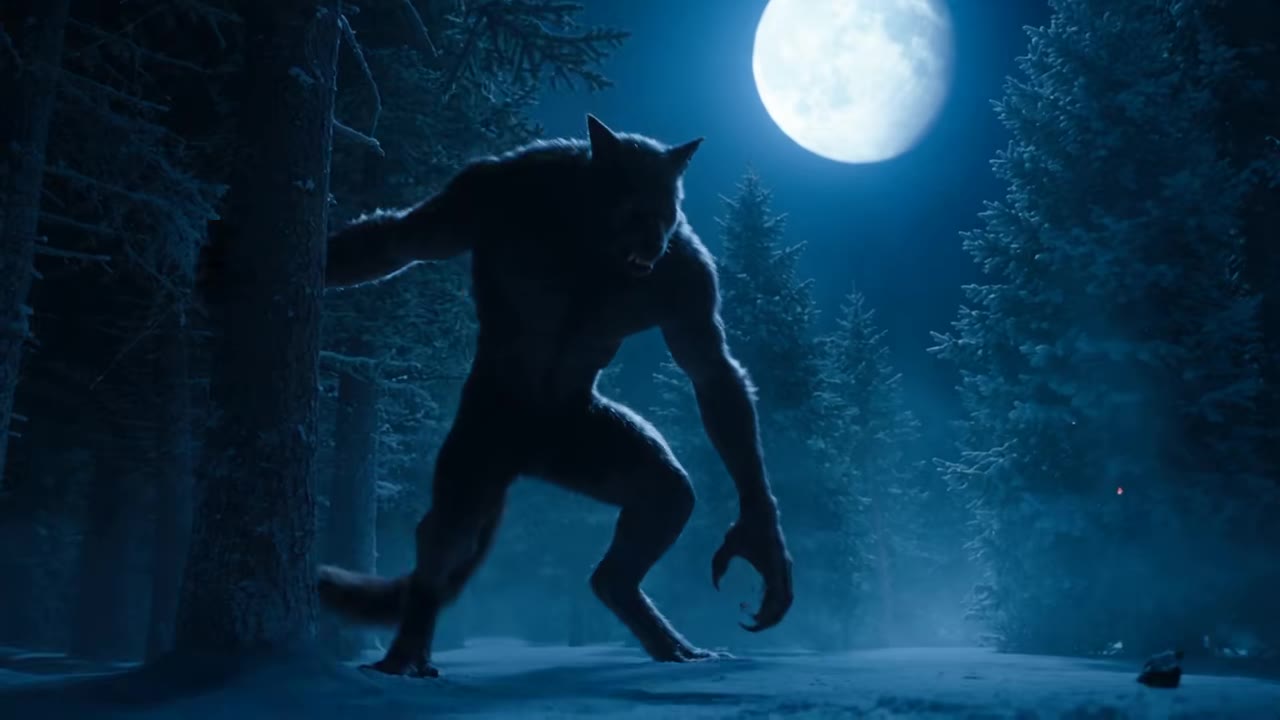
The werewolf transformation AI trend is a short AI video in which a person made from one photo turns into a werewolf under a full moon: amber eyes, fangs, fur up the arms, torn shirt, then a howl.
Zombie AI Trend
First seen · Spreading · 2 photos · 10 s
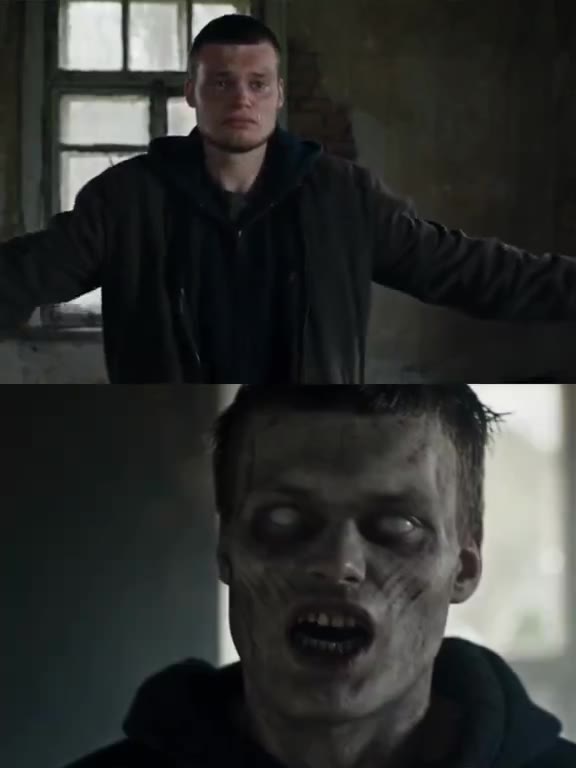
The Zombie AI trend, also called the zombie love story, is a short AI video in which a tearful survivor lowers a gun at someone they love who has turned into a zombie and embraces them in a golden field.
Spooky Scary Skeletons AI
First seen · Just starting · Sound: Spooky, Scary Skeletons — Andrew Gold · 1 photo · 11 s
Spooky Scary Skeletons is a Halloween dance trend on TikTok in which people hop, spin and kick like loose-jointed skeletons to the song "Spooky, Scary Skeletons" by Andrew Gold.
Flying Broom AI
First seen · Spreading · 1 photo · 10 s
The flying broom AI trend, also called "my ride is here", is a ten-second joke clip in which someone hovers on a witch's broom beside a car window, grins at the camera and then shoots off down the road.
Thriller Dance AI
First seen · Just starting · Sound: Thriller — Michael Jackson · 1 photo · 12 s
Thriller dance AI is a Halloween trend in which an AI character or an ordinary person, often in zombie makeup, leads a horde of zombies through the dance from the 1983 Thriller music video.
Fairy AI Video
First seen · Just starting · 1 photo · 10 s
The fairy AI video is a short glow-up in which an ordinary photo turns into a fairy transformation: the clothes become a gown, the backdrop melts into a night forest and translucent butterfly wings open behind the person.
Page updates
- October 23, 2026 — Page published with the five Halloween trends live this week.
Get the next trend first
One email when new trends land on videosi, about once a week. Unsubscribe in one click.
Halloween AI video questions
What Halloween AI video trends are popular in 2026?
As of late October 2026 the Halloween AI videos being posted most are the zombie transformation, the Spooky Scary Skeletons dance, the flying broom ride and the Thriller dance, each a 5–12 second vertical clip made from one photo. videosi has a page for each with examples and a generator, and adds new Halloween formats to this list as they start spreading.
How do I do the Halloween AI trend?
"The Halloween AI trend" in October 2026 is not one format but a family: the costume-reveal walk to Ramalama (Bang Bang), the vampire and werewolf transformations, the zombie trend and the skeleton dance. On videosi each has its own page; you upload one photo, pick the look and get a 5–12 second clip in about three minutes. The horror-movie-character versions (Ghostface, Michael Myers) use licensed characters and are not offered.
How do I make a Halloween AI video of myself?
Pick one of the Halloween trends on this page, upload one front-facing photo of yourself and press Generate: videosi returns a vertical clip of about 10 seconds in roughly three minutes, with no prompt to write. Each trend page lists what the photo should look like and what the clip does second by second, so you know what you will get before you spend credits.
Is there a free Halloween AI video generator?
videosi is not free: a standard 10-second Halloween video costs about 9 credits, and the smallest credit pack is listed on the pricing page. There is no watermark and a failed render returns its credits. Free tools exist but usually cap the length at 4–5 seconds, add a watermark or need you to write and test a prompt yourself.
Can I make a Halloween AI video of my dog or cat?
Yes for the trends whose page says it takes a pet: the zombie trend and the skeleton dance accept a clear photo of a dog or cat, and videosi turns the animal rather than a person. Trends built on a human dance, like Thriller, need a person in the photo. Each page says which it is at the top of the generator.
What song is used in Halloween AI videos?
There is no single Halloween sound: the skeleton dance videos use Andrew Gold's Spooky Scary Skeletons (mostly the 2016 remix), the Thriller videos use Michael Jackson's Thriller, and zombie and broom clips are posted over whatever spooky audio is trending that week. videosi videos are generated without sound, so you add the trend's sound when you post.
When should I post a Halloween AI video?
Halloween content peaks in the ten days before 31 October and drops sharply on 1 November, so the best window in 2026 is 21–31 October. Trends on this page are marked with the date they were first seen; the newest one is usually the one that gets the most reach, because fewer people have posted it yet.
Do I have to label a Halloween AI video as AI?
TikTok, Instagram and YouTube all ask you to mark realistic AI-generated video as made with AI, and TikTok adds the label itself when it detects it. A labelled video is not limited in reach; an unlabelled one that looks real can be taken down. videosi videos are AI-generated, so turn the AI label on when you post.
What is the difference between a Halloween AI filter and an AI video?
A filter runs live on your camera while you film; an AI video is generated from a photo and does not need you to film anything. The Halloween trends on this page are AI videos: videosi takes one photo and returns a finished 5–12 second clip, which is why the same format works for a photo of a pet or of someone who is not in the room.
See what is trending this week, browse every effect, or paste a TikTok link to find the trend behind a video you saw.