Check One Check Two AI: The JME Rap Clip, Starring You
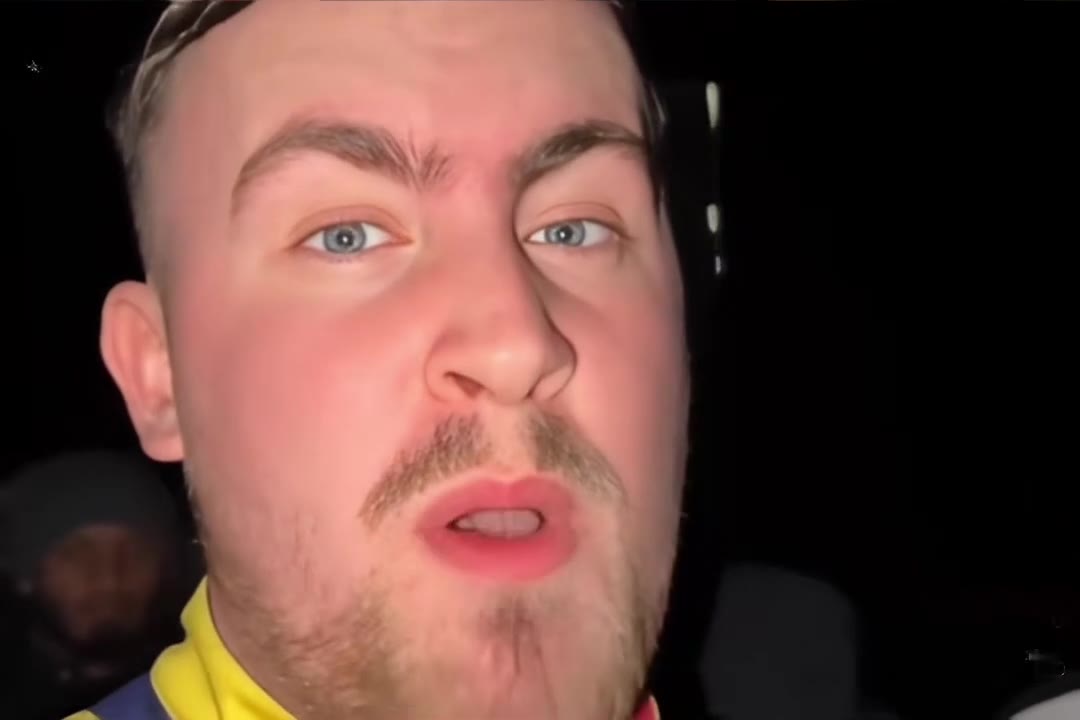
You lunge into the lens and spit a grime verse in a dark, packed crowd, finger jabbing at the camera. One photo of you is all it takes.
Updated : Page published.
1Add your photo
Front-facing, well-lit selfies work best. One face per photo.
2Choose quality
By generating you confirm you have permission to use the people in your photos. Terms
In one sentence
The check one check two filter is a CapCut AI trend from October 2026 in which a person raps a short grime verse credited to JME straight into a handheld phone camera in a dark crowd; videosi makes it from one photo of you.
- Fast facts
- First seen
- Stage
- Just starting
- Started on
- TikTok (unconfirmed)
- Sound
- An original sound opening with "check one, check two"; posts tag JME and tutorials call it the JME dyslexic freestyle, but the exact track is not confirmed.
- Meaning
- "Check one, check two" is the mic-check phrase MCs say before a set; the October 2026 TikTok trend uses it for AI clips of people rapping a short grime verse credited to JME into a phone camera.
- Related trends
- Turn the Lights Off AI
Page updates
- October 27, 2026 — Page published.
How it is made
The Check One Check Two AI prompt and model
Check One Check Two AI is made with Seedance 2.0 / 2.5 (you pick the tier) by ByteDance. The prompt behind it has 5 parts, and the timing is what makes or breaks it.
- Model
- Seedance 2.0 / 2.5 (you pick the tier)
- Mode
- Photo + motion reference to video
- Length
- 8 seconds, 9:16, 1:1 or 16:9
- Input
- 1 photo
- Subject swap The rapper in the motion reference is replaced by the person in your photo, and everything else in the clip stays as it is.
- Identity lock Your photo is the only source for face, face shape, hair, skin tone and outfit, held even in the tightest close-up.
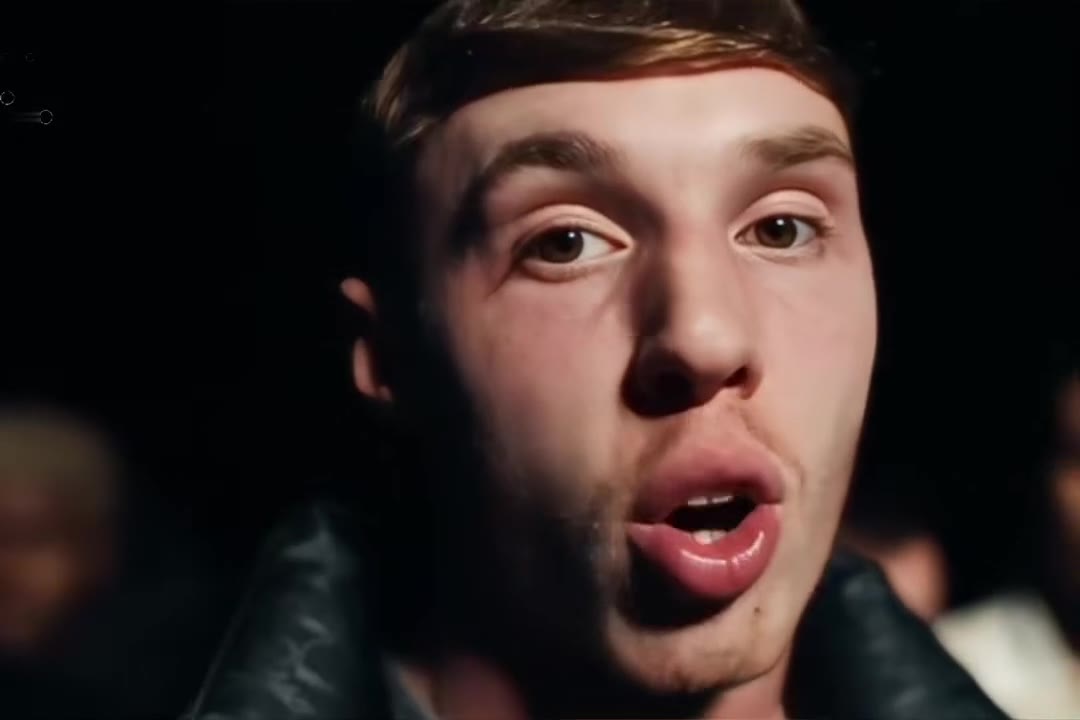
- Motion reference An 8-second clip with a non-famous person supplies the lunge, the finger jab, the head bobs and the shaky front-camera framing.
- Performance A hyped grime delivery with the mouth moving to the rhythm, without pretending to be a word-for-word lip-sync.
- Rules One continuous low-light shot, adults only, no famous people in the crowd, no captions, logos or watermark.
Replace the young man with short brown hair, light stubble and a black leather jacket in Video 1 with the person from Image 1.…
Why it goes wrong when you do it yourself
- Without a motion reference, video models give you a calm talking head instead of the lunge into the lens and the finger jab.
- Extreme close-ups stretch and slim faces: unless the prompt locks your face shape, the result looks like someone else.
- Typing JME's or a celebrity's name gets blocked by most tools, and a look-alike is not something you should post.
- Each try costs credits and several minutes, and the crowd behind you tends to sprout extra copies of you without strict rules.
Check One Check Two AI examples
Leather jacket verse
How to make your Check One Check Two AI video
Upload one photo of yourself
Face to the camera, head and shoulders in frame, even light. The top you wear in the photo is the one you rap in.
Pick the format
9:16 for TikTok, Reels and Shorts, or 1:1 and 16:9. There is nothing else to set: the venue, crowd and camera move are built in.
Generate and download
Press Generate and the 8-second clip is rendered for you, an MP4 with no watermark and the check one check two sound already on it.
Post it
Post it as it is or swap the sound in your app, and label the clip as AI-generated.
What is the Check One Check Two AI trend?
Updated · videosi is an independent tool. It is not affiliated with TikTok, Instagram, YouTube, or with the owners of any trend, song, game or brand named on its pages.
The check one check two filter is a CapCut AI template that went around TikTok in late October 2026. You give it a photo and it returns a short, shaky front-camera clip: the person stands in a dark, crowded venue with a friend behind them, lunges into an extreme close-up and delivers a grime verse straight into the lens, jabbing a finger at the camera, raising their eyebrows and pulling faces on the beat.
The earliest posts we found are dated 19 October 2026, when one account posted AI versions starring British TV presenters and a streamer; its two most-liked posts reached about 100,000 and 76,000 likes. Within a week dozens of accounts were posting tutorials and footballer, politician and sitcom versions, and the CapCut template behind it had about 14,600 uses by 27 October.
The sound is an original sound that posts credit to the London grime MC JME, opening with the mic-check line "check one, check two". Tutorials call it the JME dyslexic freestyle; we have not confirmed the exact track.
This page makes your own version from one photo, with no celebrity in it. You are the one rapping into the lens; the sound is added to the 8-second clip, and your mouth moves with the rhythm rather than following every word.
Check One Check Two AI: shot by shot
- 0-0.6 s
Caught on camera
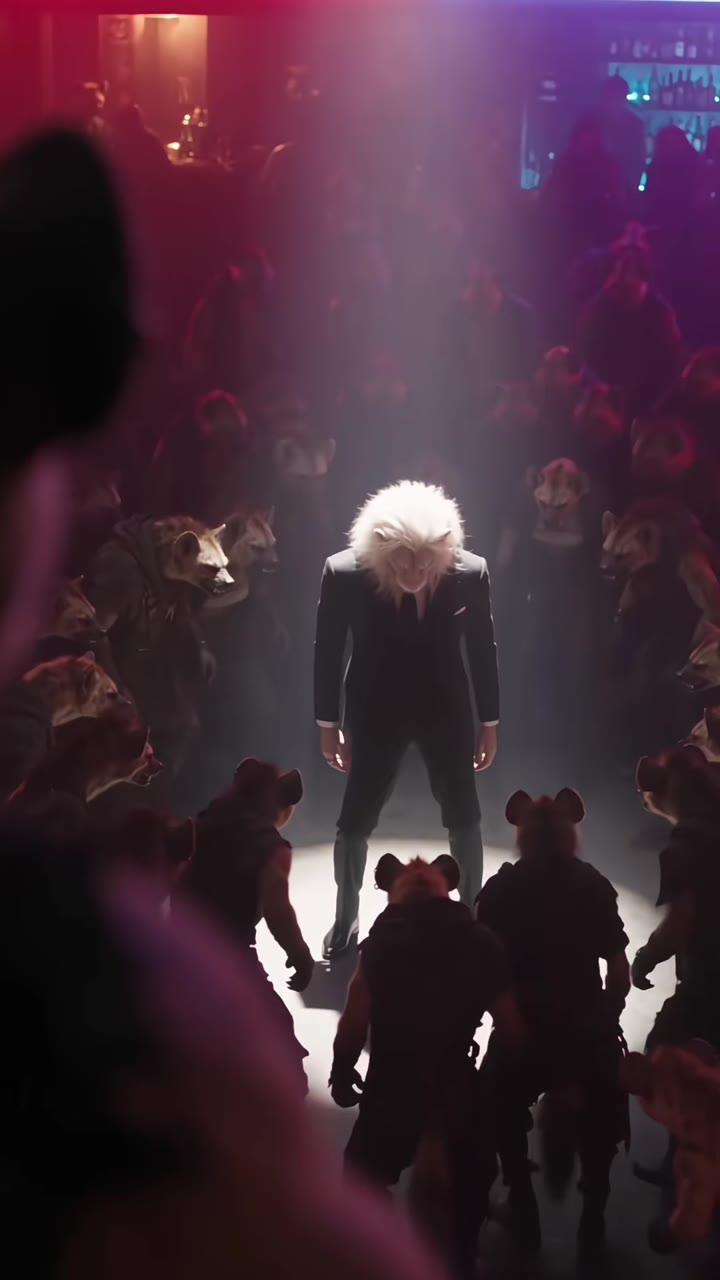
Medium handheld shot in a dark venue: you stare into the lens, mouth open, with a friend standing just behind your shoulder.
- 0.6-1 s
The lunge
You step into the phone and the frame snaps into an extreme selfie close-up, the crowd turning into blurred faces and cyan lights.
- 1-3 s
Check one, check two
Tight on your face, head bobbing, eyebrows up, chin out: the verse starts.
- 3-3.5 s
Finger jab
A hand comes up and jabs toward the lens, blurring across the frame on the beat.
- 3.5-6.5 s
Flow
You keep rapping, dip your head and look down, then raise a hand and pull a grimace.
- 6.5-8 s
Lost in it
Eyes half closed, head swaying, still a few centimetres from the camera as the clip ends.
Tips for a better result
Close and front-on
The clip is an extreme selfie close-up, so a photo where your face fills a good part of the frame, looking straight at the camera, works best.
Mouth relaxed or open
A neutral face or a big grin both work. Avoid a hand or a drink near your mouth, which the model may keep in shot.
Dark or bold tops
Puffer jackets, leather, hoodies and football shirts all suit the night-crowd look and read well in low light.
No sunglasses or masks
Clear glasses stay on. Sunglasses, caps pulled low and masks hide exactly what the close-up is about.
Good to know before you make a Check One Check Two AI video
- The sound is already on the video and your mouth moves with the rhythm, but it does not follow the words exactly.
- It is one person rapping: the friend behind you and the crowd are generic AI strangers, not people from your photo.
- Likeness is not guaranteed and drifts most during the lunge and the finger jab, when the face is closest to the lens.
- Photos of celebrities, public figures and minors are not accepted. videosi is not affiliated with JME, TikTok or CapCut, and a failed render returns its credits.
Check One Check Two AI: questions
What is the check one check two filter?
The check one check two filter is a CapCut AI template, first posted on TikTok on 19 October 2026, that turns one photo into a 10-second clip of that person shouting a UK grime verse straight into a phone camera in a dark crowd. The sound is credited to the rapper JME. videosi makes an 8-second version of it from one photo of you, with the sound on it.
How do I do the check one check two trend?
Upload one front-facing photo of yourself to videosi's check one check two filter, pick 9:16, 1:1 or 16:9 and press Generate. You get an 8-second MP4 of you rapping into the lens in a dark crowd, with the check one check two sound already on it and no watermark. There is no prompt to write and no app to install.
Is there a check one check two filter on TikTok or a CapCut template?
The check one check two clips on TikTok come from shared CapCut templates (one had about 14,600 uses by 27 October 2026), not a live TikTok camera filter, and those templates change or disappear often. videosi is independent and not affiliated with TikTok, CapCut or JME; its check one check two filter works in the browser from one photo.
Is there a check one check two AI generator website?
Yes. videosi (videosi.io) is a web check one check two AI generator: one photo in, an 8-second rap-to-camera clip out, with the trend sound on it. The camera move, venue and prompt are built in. A standard 8-second video (Standard model, 720p) costs 7 credits and has no watermark.
How much does the check one check two filter cost on videosi?
The check one check two filter on videosi is not free: a standard 8-second video (Standard model, 720p) is 7 credits, and better models or higher resolutions cost more. Credit packs start at $6.99 for 10 credits and never expire, monthly plans start at $29.90, and a failed or blocked render returns its credits.
What AI model and prompt make the check one check two video?
videosi makes the check one check two video with ByteDance's Seedance (Seedance 2.0 Mini by default; Fast, Pro and Seedance 2.5 Ultra are one click away), guided by an 8-second motion reference clip and a five-part prompt. The full prompt is built in rather than published. Typed prompts alone usually lose the selfie lunge and the finger jab at 3 seconds.
Does the check one check two AI video lip-sync to the rap?
Trending this week
All trends this week
More effects like this
All viral effects
Make your Check One Check Two AI video
Upload a photo and press Generate. 7 credits, refunded if it fails.
Get the next trend first
One email when new trends land on videosi, about once a week. Unsubscribe in one click.
See videosi first on Google
Add videosi as a preferred source and our trend pages show up first in your Top Stories and AI answers on Google.