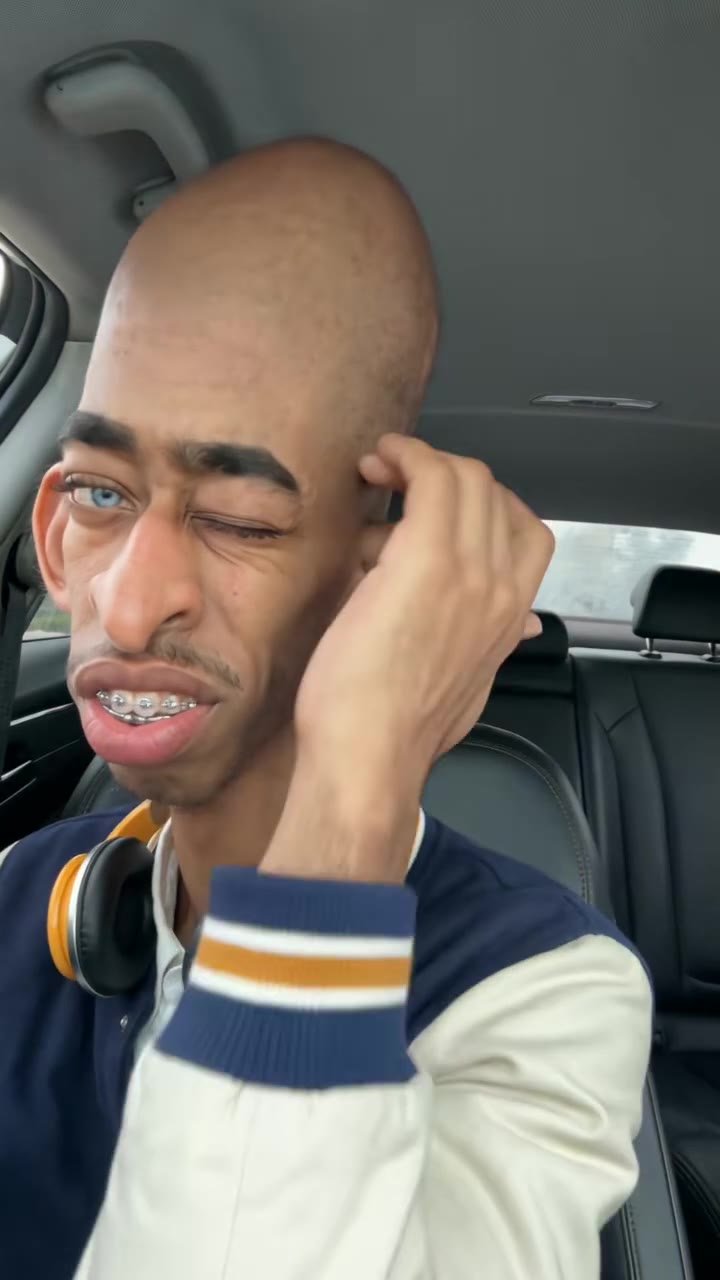
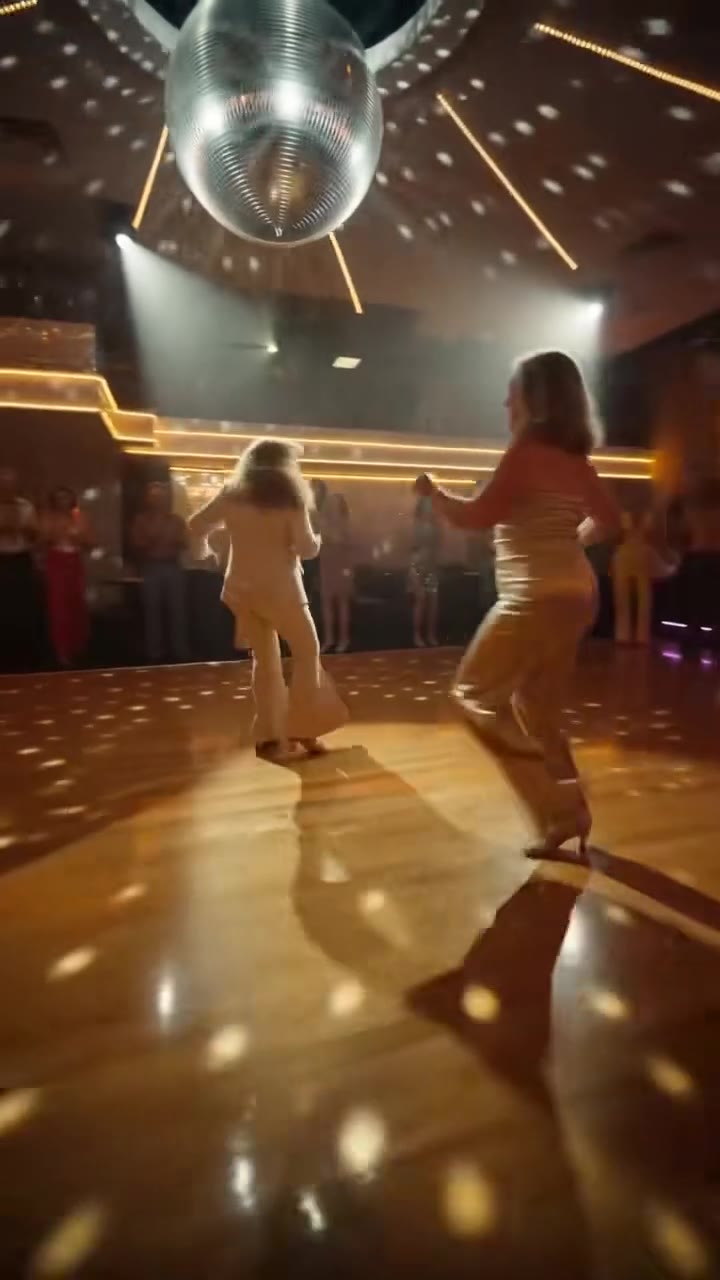
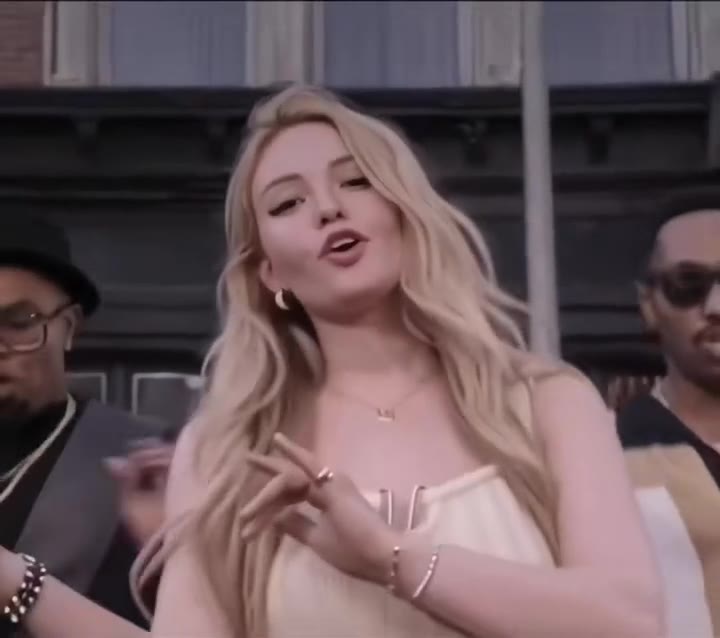
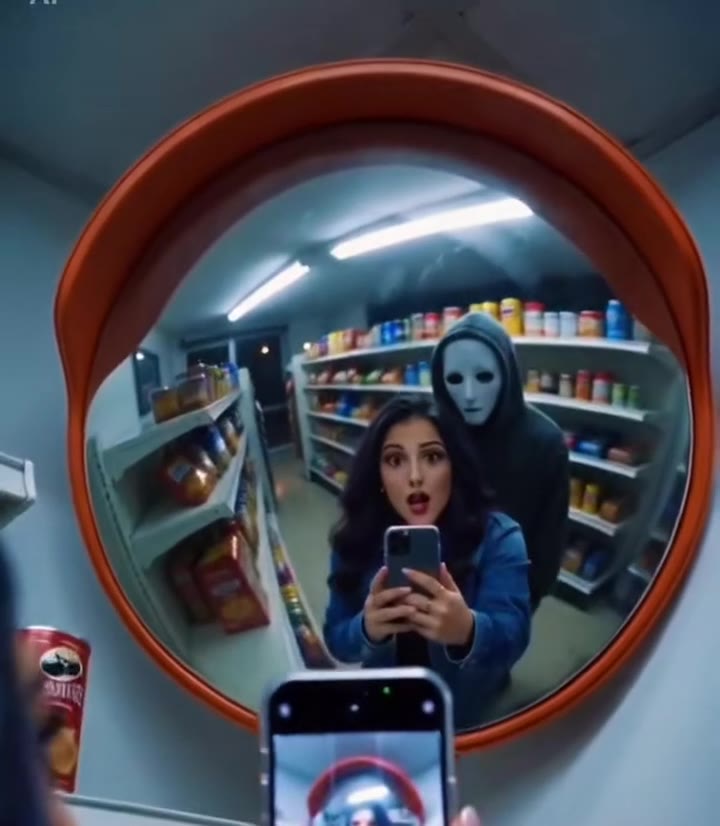
The check one check two filter is a CapCut AI trend where a person lunges into a handheld phone camera in a dark crowd and raps a short grime verse, credited in posts to the London MC JME. On videosi you make your own version from one photo of yourself, and it comes back as an 8-second MP4 with the trend's original sound. It is a very new trend: the earliest posts we found are from 19 October 2026.
Key takeaways
- The clip is a selfie lunge: a medium shot snaps into an extreme close-up, with a finger jab toward the lens at about 3 seconds.
- The sound is credited to JME in posts, but the exact track is not confirmed, and your mouth moves with the rhythm rather than the words.
- Celebrity, public figure and minor photos are not accepted; use a clear front-facing photo of yourself.
- A standard 8-second video (Standard model, 720p) costs 7 credits, with no free generation, and failed renders return credits.
In this guide
- Why is the clip a selfie lunge into the lens?
- Who is JME, and why is his name on this trend?
- What makes it a grime verse rather than any other rap?
- What does check one, check two actually mean?
- Why are AI rap clips of celebrities risky to make or post?
- What is the best photo for an extreme close-up?
- Why does the mouth not match the words?
- Does it work for groups or for a pet?
- How should I post and label the clip?
- Why do people say it is a CapCut template and not a filter?
- What does it cost, and what happens if it fails?
- Is this trend still early, and will it last?
Why is the clip a selfie lunge into the lens?
The move is the whole joke. The clip opens on a medium handheld shot, with a friend standing just behind the rapper's shoulder, and within about a second the frame snaps into an extreme close-up as the person steps into the phone. It looks like a front camera held at arm's length in a dark, loud room, which is exactly where a real mic-check freestyle would happen between friends.
That lunge is also the hardest thing for an AI model to invent. Video models left alone tend to produce a calm talking head. The check one check two filter on videosi avoids that by using a short motion reference clip that carries the shaky framing, the lunge, the head bobs and the finger jab toward the lens at about 3 seconds. Your photo only supplies who is in the shot.
Who is JME, and why is his name on this trend?
JME is Jamie Adenuga, a British grime MC, rapper, producer and DJ. According to Wikipedia's JME page, he was born in 1985 in Hackney and grew up in Tottenham, co-founded the crew and label Boy Better Know, and is the older brother of Skepta. His albums include Famous? (2008), Integrity> (2015) and Grime MC (2019).
Posts in this trend tag JME and credit the sound to him, and tutorials call it the JME dyslexic freestyle. That is the extent of what we can say. We have not confirmed the exact track, so this guide does not name one. If you need a precise credit for a post, check the sound page inside the app you publish on rather than trusting a caption.
What makes it a grime verse rather than any other rap?
Grime is a UK genre that, per Wikipedia's grime article, emerged in East London in the early 2000s out of UK garage and pirate radio, typically runs at around 140 beats per minute, and puts the MC front and centre over jagged, bass-heavy beats. The delivery is fast, clipped and confident, which suits an 8-second burst in front of a phone.
That is why the clip leans on rhythm rather than melody: eyebrows up, chin out, head bobbing on the beat. The generated version copies that energy. It does not copy any specific lyrics, because the model never receives them.
What does check one, check two actually mean?
It is a microphone test. Before a set, a performer or sound engineer speaks into the mic to confirm it works and to set levels. Wikipedia's soundcheck article describes the wider practice of running through part of a show so the system is clear and correctly mixed, and notes that a check on microphones alone is commonly called a mic check.
In the trend the phrase works as a cold open. It is the moment before the verse, so the audience knows something is about to start. That is also why people search for the phrase together with words like filter, template and rap, even though there is no official filter by that name.
Why are AI rap clips of celebrities risky to make or post?
The first wave of this trend, from 19 October 2026, put British TV presenters and a streamer into the clip, and later versions added footballers, politicians and sitcom characters. Those views are why the trend spread, but a realistic clip of a real person rapping words they never said is a deepfake, whatever the intent. It can mislead viewers, upset the person and breach platform rules.
videosi takes a different line. The check one check two filter does not accept photos of celebrities, public figures or minors, and the crowd and the friend behind you are generic adult strangers. You are the only recognisable person in the frame. A look-alike made to stand in for a famous face is not something we would recommend posting either.
What is the best photo for an extreme close-up?
Use one clear, front-facing, well-lit photo of you alone, with your whole face visible and no sunglasses covering the eyes. Because the clip ends up a few inches from the lens, any weakness in the photo shows. A sharp face with even light gives the model the most to hold on to.
The face is most likely to drift during the lunge and the finger jab, the moments it is closest to the lens. Likeness is not guaranteed. Our prompt tells the model to keep your own face width, cheeks, jaw, chin and build instead of narrowing them, but a photo that already shows your real proportions is the best insurance. Hats and glasses carry over only if they are in your photo. If the first try is off, a second photo with a straighter angle is usually the fix.
Why does the mouth not match the words?
Because there are no words to match. The clip comes out with the trend's original sound already on it, and the model animates your mouth to open and close loosely with the rhythm. It is not a word-for-word lip-sync, and the instructions say so on purpose.
That fits the trend. The delivery is fast and hyped, and viewers read it as a performance rather than a transcript. If you want a clip where the mouth follows exact lyrics, you need a dedicated lip-sync tool with your own audio. That is a different job from this one.
Does it work for groups or for a pet?
The filter is built for one person. The page takes a single photo, and the friend standing behind the rapper is a generic adult stranger, not a second copy of anyone. Uploading a group photo makes it unclear who should take the lead, and likeness gets worse when several faces compete for the same shot.
If you want a duo, make two separate clips with the check one check two filter and cut them together in your editor. For other formats built around animals or several people, browse the other trend pages on videosi rather than forcing this one.
How should I post and label the clip?
Download the MP4 and upload it as you would any video. Because it is AI generated, label it as such using the platform's AI content setting, and say in the caption that it is a fan-made take on the trend. Do not imply that JME or anyone else took part.
videosi is independent and is not affiliated with TikTok, CapCut or JME. The 8-second file has no watermark and comes with the trend's original sound. If a platform mutes or flags that sound, you can swap in a track from the app's own library before posting. Check each platform's current rules, since they change often.
Why do people say it is a CapCut template and not a filter?
The clips on TikTok were made with shared CapCut templates, one of which had about 14,600 uses by 27 October 2026. A template is a pre-built edit that you fill with your own media. It is not a live camera filter, and templates can change or vanish without notice.
The videosi version works in the browser. You upload one photo, pick 9:16, 1:1 or 16:9, and press Generate on the check one check two filter page. There is nothing to install and no prompt to write.
What does it cost, and what happens if it fails?
There is no free generation. A standard 8-second video (Standard model, 720p) costs 7 credits. Credit packs start at $6.99 for 10 credits and never expire, and monthly plans start at $29.90. Better models and higher resolutions cost more credits.
If a render fails or is blocked, the credits come back to your balance. Photos of celebrities and minors are not accepted, so a blocked upload is the usual reason to expect a refund rather than a clip.
Is this trend still early, and will it last?
The earliest posts we found are from 19 October 2026, so this is an emerging trend, only about a week old at the time of writing. Within days there were dozens of tutorial accounts and many celebrity versions, which usually signals a quick burst followed by decline.
If you want to join, the window is now. Make your clip while the sound is still showing up in feeds, and treat it as a short-lived meme. Trends like this one are better at getting you a fast laugh than long-term reach.