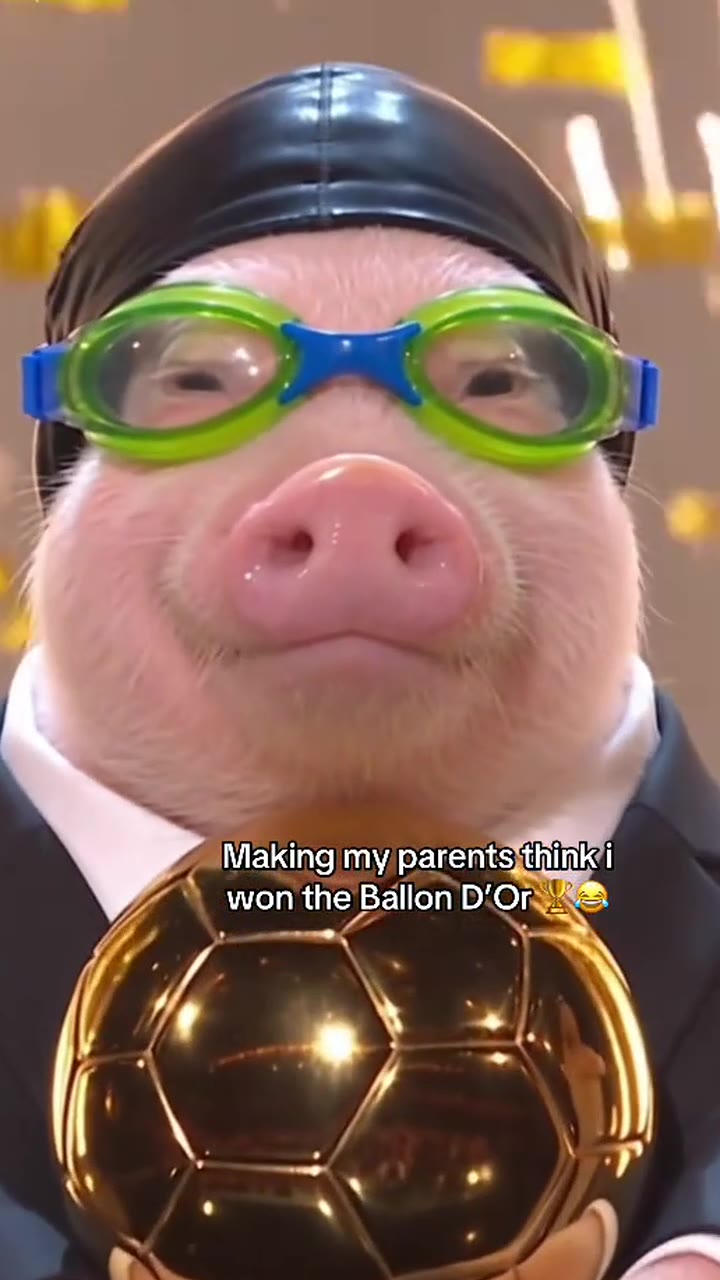
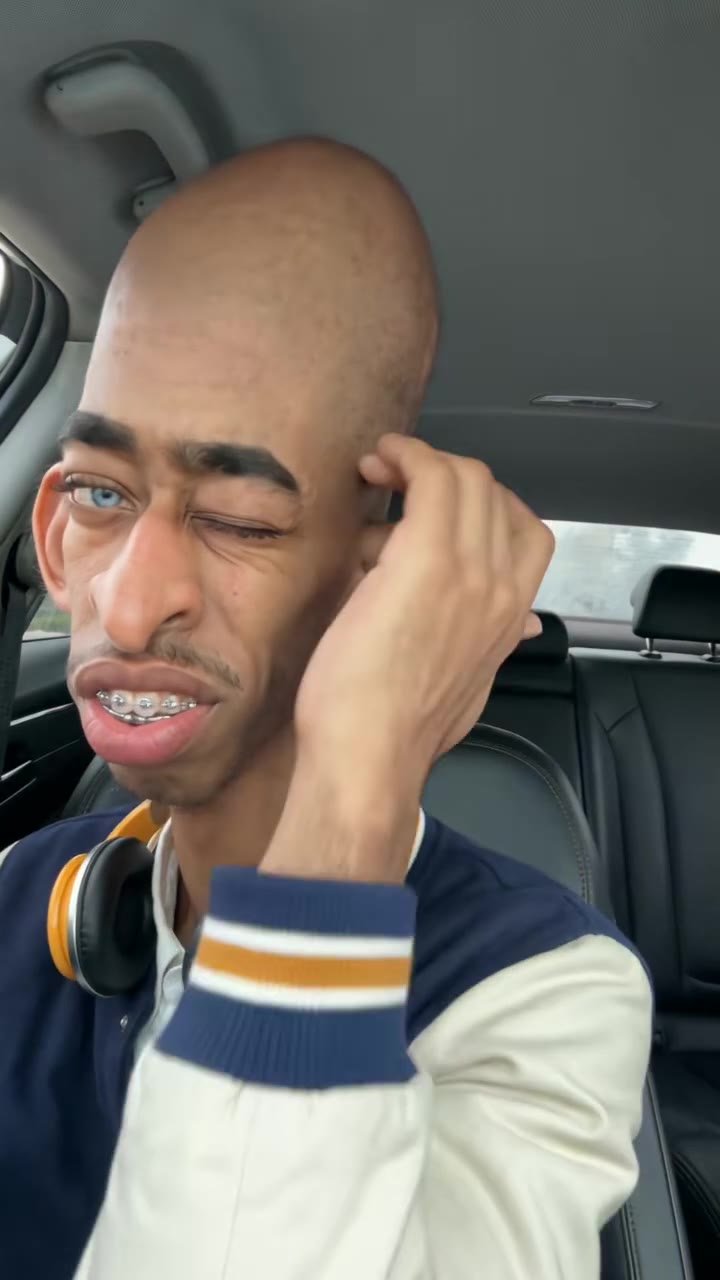
Deliberately strange AI characters go viral because the joke is the gap between an absurd look and a dead-serious face, and you can star in that joke yourself. The weird AI influencer page turns one photo of you into a 12-second clip of a deadpan walk through a staring crowd, with your own face and a new look.
Key takeaways
- The trend works because the character looks wrong on purpose and plays it completely straight, while bystanders do the reacting.
- The page keeps your face and changes only the styling: bowl-cut bodybuilder, blonde bowl cut with moustache, or emo-hair bodybuilder.
- A front-facing photo with your hairline and eyes visible matters more than anything else you choose.
- Label the finished clip as AI-generated, and only use photos of adults who agreed.
- It is not free: 10 credits for a 12-second Standard 720p video, and a failed render returns its credits.
In this guide
- Why do characters that look weird on purpose go viral?
- Why did the bowl cut become the signature?
- Why are the staring passers-by the real punchline?
- Why does it matter whether people think the character is real?
- How do I choose between the three looks?
- How should I shoot the photo so my face survives the wig?
- Should I label the post as AI-generated?
- Could the clip be mistaken for a real person or for a copy of someone?
- Is it too late now that Jean Phil has peaked?
- What does one try cost?
- Continue reading
Why do characters that look weird on purpose go viral?
They go viral because a strange look makes people stop scrolling, and a straight face makes them stay to work out what they are seeing. A normal-looking AI person is invisible. A man with a curled moustache and a stiff blonde bowl cut is a question: is this real, and why is it so serious?
The best-known case is Jean Phil, short for Jean Philanthrope. Belgian broadcaster VRT reported on 8 October 2026 that he is a fictional, AI-made character, that one of his first videos from 18 September passed 36 million views on Instagram alone, and that he gained roughly 270,000 TikTok followers in under a month. The creator told VRT that AI plays a role but the videos are not fully AI, with plenty of human creative work behind them (VRT NWS).
Copycats followed within weeks, and that is where the format widened. The look became a costume anyone could wear, which is the idea behind the weird AI influencer clip: the weirdness is a style, not a person.
Why did the bowl cut become the signature?
The bowl cut became the signature because it is the cheapest way to make a face look slightly wrong while staying instantly readable. It is a perfectly round shape with a blunt fringe, so even on a tiny phone screen the silhouette says "odd" before anyone sees a face.
There is a practical side for AI video too. A heavy fringe and a wig change the area around the brow and hairline, which is exactly where a model likes to drift to a stranger's face. That is why the page locks your identity from the photo first and treats the hair as styling on top.
Why are the staring passers-by the real punchline?
The passers-by are the punchline because the character never reacts, so the crowd does all the emotional work. In the clip, ordinary shoppers cross in front of the lens, a man in white with a shopping bag stops dead, and the bystanders behind you turn to look. You keep walking, arms swinging stiffly, face blank.
The structure is five beats over 12 seconds:
| Time | Beat | What happens |
|---|---|---|
| 0 to 2 s | In the crowd | You walk forward behind passers-by |
| 2 to 5 s | The freeze | One bystander stops and stares |
| 5 to 8 s | Clear view | The crowd parts, you stride at the camera |
| 8 to 10 s | Still walking | More people turn and stare |
| 10 to 12 s | Close-up | You fill the frame from the chest up |
Without the crowd you get a catwalk on an empty street, which is far less funny. That is why the page uses a motion reference clip for the staring and the timing instead of leaving it to a text description.
Why does it matter whether people think the character is real?
It matters because the argument in the comments is part of the entertainment, and because some viewers feel tricked when they find out. Earlygame reported that viewers were genuinely disappointed after learning Jean Phil is not a real person, and several admitted they first believed he was an actual creator (Earlygame).
Ypulse found something similar among young audiences. One fan said they felt "bamboozled", and the site cited its own data that 70% of 13 to 24 year olds in Europe would not want to follow a computer-generated account (Ypulse).
The lesson for your own clip is simple. The joke lands best when viewers are in on it. A clip of you in a bowl cut that is clearly a gag, and labeled as AI, gets the laughs without the "bamboozled" reaction.
How do I choose between the three looks?
Choose by what you want to keep of yourself. The two bodybuilder looks give everyone the same cartoon muscles, so they replace your build. The blonde bowl cut with moustache keeps your own build, which is the safer pick if you want the clip to feel like you.
- Bowl-cut bodybuilder. Round black bowl cut, thin round glasses, huge shoulders and a dark printed T-shirt. The loudest and most meme-like option.
- Blonde bowl cut and moustache. A stiff blonde bowl cut, a curled moustache and a tweed suit with a tie. Closest to the old-fashioned gentleman style, and it keeps your normal body.
- Emo-hair bodybuilder. Long shaggy black hair over one eye, a tight grey T-shirt and studded wristbands. Good if your face has a strong jawline that the fringe will frame.
How should I shoot the photo so my face survives the wig?
Shoot one clear, front-facing photo with your whole face and hairline visible, in even light. The wig and moustache change a lot around your face, so the model needs one honest look at your eyes, nose and mouth to stay on you.
- Face the camera. A side angle or a dark shot is the most common reason a result does not look like you.
- Pull your hair back. The bowl cut is drawn over your forehead, and a visible brow keeps the face recognisable under the fringe.
- Head and shoulders is enough. The body and outfit come from the look you pick, not from your clothes.
- No sunglasses, caps or masks. They hide the exact features that must stay you in the final close-up.
- Be alone in the frame. One adult, one face.
Even with a good photo, likeness is not guaranteed. You are small in the crowd for the first 5 seconds, so the close-up at the end is where you will recognise yourself most.
Should I label the post as AI-generated?
Yes, switch on the AI-generated label your app offers, and say so in the caption. The clip shows a realistic person in a real-looking street doing something that never happened, and a label keeps the post honest with your audience and inside platform rules.
A label also protects the joke. As the reactions above show, the people who feel fooled are the ones who were never told. If your caption says it is an AI clip of you as a weird influencer, viewers laugh with you instead of feeling tricked.
Could the clip be mistaken for a real person or for a copy of someone?
It could look like a real person, which is why the label matters, but it is not a copy of anyone. The page keeps your own face and changes only the styling. It does not recreate Jean Phil or any other named character, and it does not borrow a real influencer's face.
Two rules keep it clean. First, use only your own photo, or the photo of an adult who agreed to it. videosi does not accept photos of children, celebrities or public figures. Second, do not caption the clip as if it were the original creator's video or imply a connection to the characters. videosi is unrelated to Jean Phil and to the account behind him, and VRT notes that the account promotes a meme coin, which is a separate matter entirely.
Is it too late now that Jean Phil has peaked?
Not for this format, though the original character has peaked. Our radar first saw "weird ai influencer" on 16 October 2026 and saw it become searchable and spread on 26 October, with search interest growing about tenfold in a week from a small base. The street-walk clip this page follows was posted on 21 October.
That is the useful distinction. Jean Phil started the wave in September, and the newer bowl-cut street clips are the part still spreading. A post in the next days is early for that version, not late.
Treat it as a quick joke, not a growth plan. Search interest is still small, and trends of this kind turn over fast, so post while the reference is fresh.
What does one try cost?
One try costs 10 credits for a 12-second video on the Standard model at 720p, and there is no free generation or free trial. A Single pack is $6.99 for 10 credits, credits never expire, and plans start at $29.90 a month. Better models and higher resolutions cost more, and you see the price before you generate.
| What | Price or credits |
|---|---|
| One 12-second video, Standard, 720p | 10 credits |
| Single pack | $6.99 for 10 credits |
| Plans | From $29.90 a month |
| Free generations | None |
A failed, timed-out or blocked render returns its credits automatically. A shot with a full crowd and a close-up sometimes needs more than one attempt, so a second try with the same photo can be worth it. See the pricing page for current packs.
If you want the clip and not the research, open the weird AI influencer page, upload one photo, pick a look and press Generate.