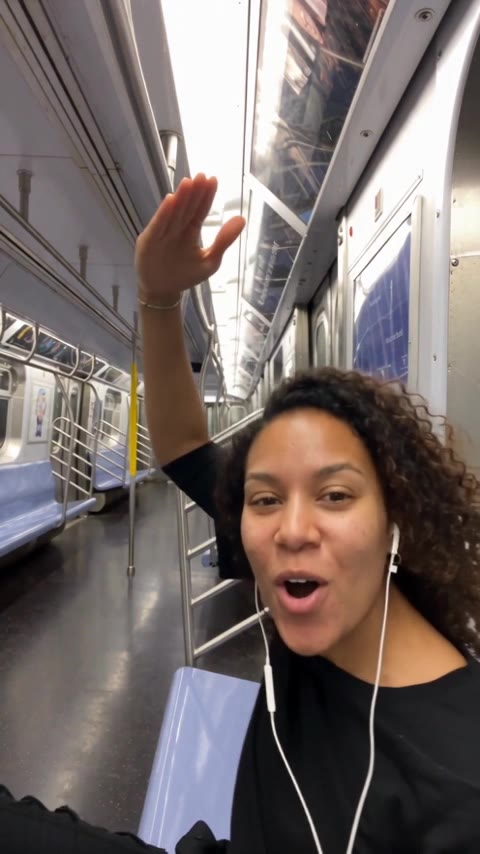
No Guidance dance AI is a 10-second video of you doing the viral No Guidance train dance, made from one photo; you can make it on videosi's No Guidance dance AI page without writing a prompt. This guide answers the follow-up questions people ask once they have seen the trend: the moves, the song, which tools make it, and what to check before you post.
Key takeaways
- The dance is a six-beat, 10-second routine: arm fling, hands behind the head, sway, knee up, shuffle, low bounce.
- The AI video is silent, so you add the No Guidance sound in the app you post from.
- One full-body photo is enough, but likeness is not guaranteed, especially when you turn back to the camera.
- A standard 10-second video (Standard model, 720p) costs 9 credits, and there is no free generation.
- Label the clip as AI-generated and use only photos of adults who agreed.
In this guide
- Is there a No Guidance dance tutorial?
- What is the choreography, move by move?
- What does No Guidance mean?
- Where did the train dance come from?
- Is the older No Guidance meme the same thing?
- Which version of the song should I use?
- CapCut template, web generator or chatbot: which one?
- Which photo keeps my face, and what still goes wrong?
- What should I check before posting?
- Can I do it on my phone?
- How long should the clip be?
Is there a No Guidance dance tutorial?
There is no official tutorial and no fixed routine. The dance is a loose groove that spread from one clip, so people copy that clip rather than follow a lesson. The easiest way to learn it is to break it into the six beats below and practise them in order.
If you only want the video and not the practice, you do not have to learn anything. The No Guidance dance AI page builds the moves into the generation: you upload a photo, pick a place and press Generate.
What is the No Guidance dance choreography, move by move?
The routine on videosi runs for 10 seconds in six beats:
- 0-0.6 s, arm fling. You arrive with a small hop and fling one arm straight up overhead.
- 0.6-2.5 s, hands behind the head. You turn away from the camera, both hands behind your head, hips swaying into a short lunge.
- 2.5-5 s, the sway. Back still turned, a slow, cool sway of shoulders and hips, weight rolling from foot to foot.
- 5-6 s, knee up. You turn to face the camera and lift one knee high, one hand on the hip.
- 6-7.5 s, shuffle. Arms loose at your sides, a small bouncy shuffle toward the lens.
- 7.5-10 s, low bounce. A low, wide bent-knee stance, one hand at the side of your head, bouncing on every beat, then a step out.
Notice that you spend about four seconds with your back to the camera. That matters for the AI version, as the likeness section below explains.
What does No Guidance mean?
For this trend, No Guidance is simply the name of the song people associate with the dance. It is the title of a 2019 single by Chris Brown featuring Drake. According to Wikipedia's entry on the song, it was released on 8 June 2019 on RCA Records as a single from the album Indigo.
The dance itself has no meaning attached to it beyond the groove. The clip that started it runs on a sound labelled original sound, so the name comes from how people tag and search it, not from an official dance title.
Where did the No Guidance train dance come from?
The dance was posted on TikTok on 6 October 2026 with the hashtag #noguidance and passed 1 million views. A dancer is filmed from inside a carriage while he dances on the platform outside the window. He runs up beside the train, flings an arm overhead, turns away, sways, lifts a knee and finishes in a low bouncing stance as the train pulls out.
Around 18 October 2026, CapCut templates appeared that move the dance inside a train carriage and swap in a face from an uploaded photo. Promo accounts started calling those the No Guidance dance AI trend. It has only just started spreading, so there are no reliable view counts for the AI version and we do not quote any.
Is the older No Guidance meme the same as the train dance?
No. If you search for a No Guidance dance meme you may find older jokes that refer to the song's 2019 music video. The 2026 trend is different: it is the train dance, a short groove filmed at a station or in a carriage. When you search or write a caption, say train dance or No Guidance dance AI so people land on the right thing.
Which version of the song should I use, the original or the Ayzha Nyree remix?
Either can work, and which one each viral clip uses is unconfirmed. The source clip runs on original sound. Wikipedia notes that a 2020 remix by Ayzha Nyree went viral on TikTok, and that remix is also popular with this trend.
The practical advice: because the AI video has no sound, pick the audio inside TikTok or Instagram when you post. Choose a version that sits at a steady, medium groove, since the dance runs at normal speed with no slow motion, and check that the beat lands near the knee lift and the low bounce. Using the platform's own sound library also keeps the music licensing on the platform's side.
How do I make it in other tools: CapCut template, web generator, ChatGPT, Sora, Veo or Kling?
Each route trades convenience against control:
- CapCut templates. Quick and mostly free to start, but templates change or disappear often, and you cannot choose the scene or the exact moves.
- A web generator. videosi's No Guidance dance AI runs in your browser, uses a Seedance model with a dance reference clip and a six-block prompt that is already written, and gives you a choice of train carriage or station platform. You pay credits per video.
- ChatGPT, Sora, Veo or Kling. You can try them with your own prompt, but you would have to describe the moves second by second, lock your identity from a photo, and keep bystanders from dancing too. Without a motion reference, models tend to invent a generic sway and miss the hands-behind-head turn and the low bounce that make it read as No Guidance.
videosi is independent and not affiliated with TikTok, CapCut or the song's artists.
Which photo keeps my face, and what still goes wrong?
The best input is a bright, evenly lit, full-body photo, facing the camera, head to shoes in frame. Trousers, trainers and a top or hoodie read best, and your outfit in the photo is the outfit you dance in. Skip hats, sunglasses, masks and bags, because the model needs your face shape and eyes.
Even then, likeness is not guaranteed. It drifts most when you turn back to the camera after the sway, because the model has had your back to it for several seconds. Background passengers and the station are AI-made, so now and then a face blurs or a seat repeats. A failed, timed-out or blocked render returns its credits, and you can generate again with a different photo.
What should I check before posting?
- Label it. Mark the clip as AI-generated using the platform's own label if it offers one. Google's guidance on generative AI content also suggests adding context about how content was created, and to review it for accuracy before publishing (Google Search Central).
- Add the sound yourself. The MP4 is silent and has no watermark. Choose music from the platform's library rather than baking a track into the file.
- Use photos you have the right to use. Only upload photos of yourself, or of an adult who has agreed. Do not use a stranger's photo or a photo of a child.
- Do not imply endorsement. The clip does not mean the song's artists or any platform has anything to do with you.
Can I do the No Guidance dance AI video on my phone?
Yes. There is no app to install: the page works in a mobile browser. Upload a full-body photo from your camera roll, choose the carriage or the platform, and press Generate. Rendering takes several minutes, and the finished clip stays in My creations so you can come back to it. Then download the MP4 and add the sound in TikTok or Instagram.
How long should the clip be, and what does it cost?
The video is fixed at 10 seconds, in 9:16 for TikTok and Reels, 1:1 or 16:9. That is a 10-second slice of the dance, not a full routine, and it is a good length for a short post because the knee lift and the low bounce land inside it.
There is no free generation. A standard 10-second video (Standard model, 720p) is 9 credits. Credit packs start at $6.99 for 10 credits, and plans start at $29.90 a month. Higher tiers and resolutions cost more credits.
If you want to see the finished result before reading more, open the No Guidance dance AI page.