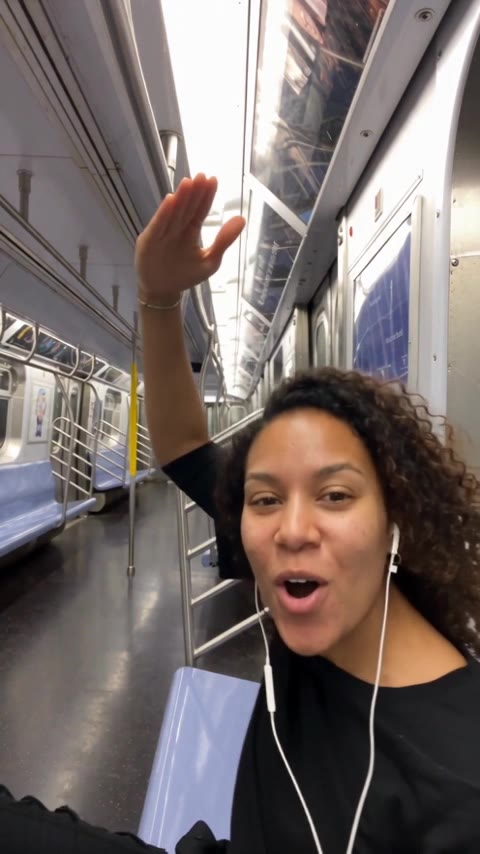
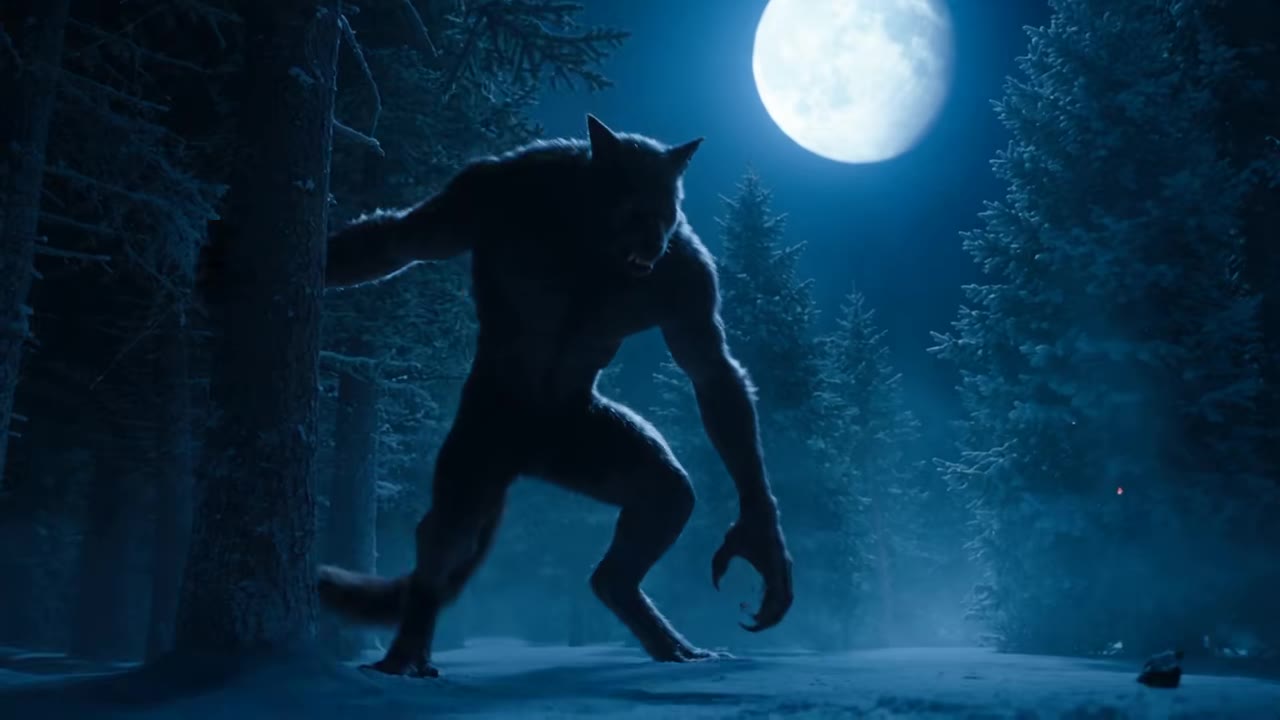
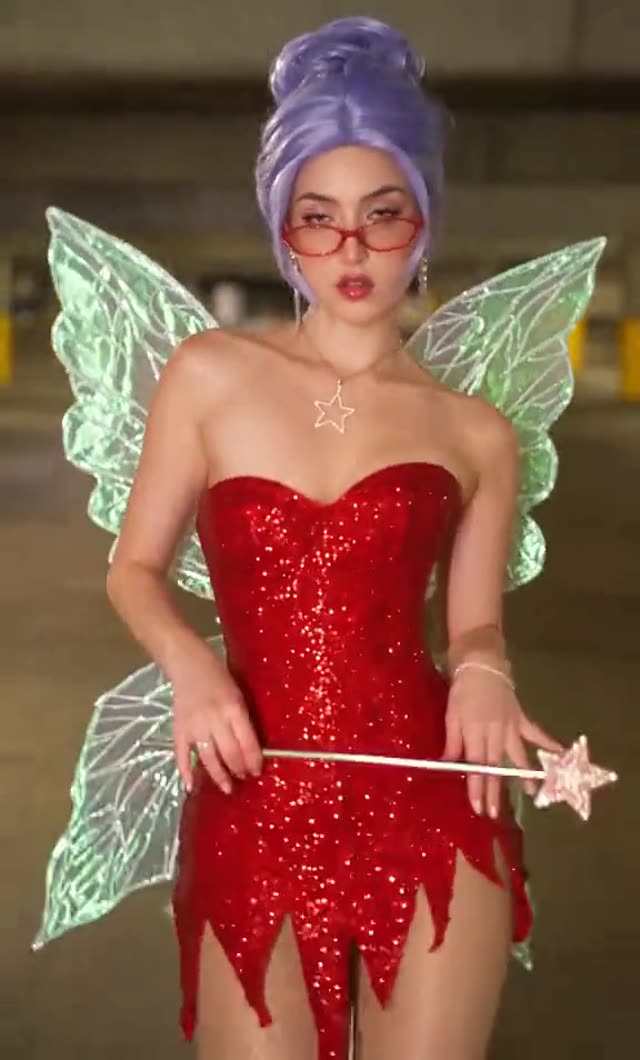
The Layoo AI dance is a 12-second chest-beat routine that you can do yourself in a few minutes of practice, or have an AI video model do from one photo of you. This guide answers the questions people ask after they have seen the Layoo AI dance page: how the moves go, why the camera sits so low, how to match the sound and what to check before you post.
Key takeaways
- The routine has six beats: point at the lens, head back, arms wide in a squat, chest beat, palms out, triangle and final drop.
- The low, static camera is half of the look. Without it the squat reads as a small sway.
- The videosi file is silent, so you add the Layoo sound inside the app you post from and start it on the first point.
- Label the clip as AI-generated, get consent for any face that is not yours and check the music licence.
In this guide
- How do you do the Layoo dance step by step?
- Why is the camera placed so low?
- How do you line up the Layoo sound with a silent video?
- Why does the face change when the head tips back?
- How do you pick the place?
- Why is there no ape or gorilla version?
- Can you make the group or trio version?
- Why do other video tools fail at this dance?
- What should you check before posting?
- Does it work on a phone?
- Quick answers
How do you do the Layoo dance step by step?
Break the 12 seconds into six beats and learn them one at a time. The timings below are the ones used on the Layoo AI dance page, so they also work as a practice guide.
- 0 to 1.5 s, the point. Drop into a wide crouch close to the camera, knees bent, both index fingers pointing down and forward at the lens, head and shoulders bobbing.
- 1.5 to 3.5 s, head back. Rise, step back, tip your head back with a hand at your mouth and arch the chest, then drop again.
- 3.5 to 7 s, wings out. Fling both arms wide and bounce in a deep squat with small hops from foot to foot.
- 7 to 8.5 s, chest beat. Sweep one forearm across your face, then bring both hands down and beat on your chest.
- 8.5 to 10 s, palms out. Push your palms at the camera while your knees bounce in and out.
- 10 to 12 s, triangle and drop. Hands up in a triangle over your head, back to the chest, one hop and a last low squat.
The hardest part is not the arms but the legs. Hold the wide squat for several seconds and keep hopping, and do it on a floor that is not slippery. Who invented the choreography is unconfirmed, so there is no single official version to copy. The videosi sequence follows a solo clip filmed on a tree-lined road.
Why is the camera placed so low?
A camera near ground level, tilted slightly up, makes a squat look enormous and puts the pointing fingers right at the lens. At eye level the same moves look like a mild bounce. That is why the trend's clips are almost always filmed from a low, static position, and why the videosi version asks for a static camera at ground height with the full body in frame from head to shoes.
If you film it yourself, prop your phone on the floor against a bag or a shoe, use the wide lens if you have one and step back until your whole body fits, even at the lowest point of the squat.
How do you line up the Layoo sound with a silent video?
The file from videosi is a silent MP4. Open it in the app you post from, add the Layoo sound from that app's own library, and start the sound on the first point at the lens. The moves are timed to the beat, not to the words, so you do not need the lyrics to get the sync right. The song is credited on TikTok to KillaMoe. Streaming release details are unconfirmed, so use the sound as it appears in the app rather than searching for a file.
If the beat drifts, nudge the clip by a fraction of a second so that the first drop into the crouch lands on a strong beat. The 12 seconds are short enough that one good alignment at the start carries to the end.
Why does the face change when the head tips back?
Two moments are hard for any video model: the head tipping back at about two seconds, and the forearm sweeping across the face at about seven. For a moment the face is turned away or hidden, and when it comes back the model may redraw it. The result can be a person who looks similar but is not you.
The fixes are in the photo. Use one front-facing, full-body shot in soft even light, with no hat, sunglasses or heavy flash. Wear the outfit you want to dance in, because the model copies it. Likeness is never guaranteed, so if the first result drifts, try another photo before changing anything else. A failed, timed-out or blocked render returns its credits.
How do you pick the place?
Pick the place by the kind of post you want. The page offers three: a tree-lined road, which matches the best-known solo version from 10 August 2026; a living room, which echoes the trio clip posted the next day; and a gym floor, which suits fitness accounts. Each place is lit evenly and has nobody else in it.
Choose the format at the same time: 9:16 for TikTok, Reels and Shorts, 1:1 for feeds, 16:9 for YouTube or a website. The road has the most space around the dancer, so it is the safest choice if you are not sure.
Why is there no ape or gorilla version?
The "layoo ape" searches most likely come from a promo clip on KillaMoe's account on 19 August 2026, announcing the track as out everywhere, with people in gorilla suits in Times Square. AI accounts later put gorillas and cartoon characters into the dance. This is probably where the chest beat joke comes from, but that link is our reading, not something the artist has explained.
The videosi page makes one human dancer from your photo and nothing else. It has no ape or animal option. Keeping it human-only is also what lets the identity lock work: the model is told to keep your face, hair and outfit identical, and to add no other people or animals. If you want an ape version, you need a different tool.
Can you make the group or trio version?
Not on this page. The Layoo AI dance here is a solo clip with exactly one person in every frame. The trio filmed in a living room on 11 August 2026 was a real-life video, and it is the best-known group version we found.
There are two practical ways to get a group look. Film the trio yourselves with the camera on the floor and have all three do the six beats together. Or make a solo clip for each person and cut them side by side in an editor, using 9:16 for each and a split screen. Each clip uses its own photo, so everyone needs to agree to the use of their face. For a different dance with its own page, see the Jean Phil AI trend.
Why do other video tools fail at this dance?
Most general video tools take a photo and a text prompt only. The Layoo dance depends on a motion reference, a short clip that shows the choreography, timing and camera height. ByteDance describes its Seedance 2.0 model as taking text, image, audio and video inputs, with images, audio and video all usable as references, which is the kind of input this dance needs (source below). Without a video reference, a model invents its own moves, and you get a generic sway.
The videosi page runs Seedance with the reference clip and a five-part prompt (identity lock, motion reference, place, timeline and rules) already built in, so you choose only the photo, the place and the format. Writing that structure by hand and testing it takes several tries, and every try costs credits and minutes.
What should you check before posting?
There are three checks, and none takes long.
- AI label. TikTok says it has required creators to label realistic AI-generated content for over a year, offers a labelling tool, and prohibits misleading AI content whether or not it is labelled (TikTok newsroom). Turn the label on every time.
- Consent. Use your own photo, or that of an adult who has agreed. Photos of celebrities, public figures and minors are not accepted on videosi.
- Music licence. Before a video with music is posted, TikTok asks you to confirm that it has no copyrighted music or that you hold every licence needed, covering both the song and the recording (TikTok music usage confirmation). Using the sound from the app's own library is the usual way to stay inside the app's terms, but the rules differ for business accounts, so read them for yours.
Also remember that videosi is independent and not affiliated with TikTok, CapCut or KillaMoe.
Does it work on a phone?
Yes. videosi is a web tool, so you can upload the photo from your phone, close the page while it renders and come back later: the result is saved in My creations. Rendering takes several minutes. The 12-second MP4 downloads without a watermark, ready to open in the app you post from.
On cost: a standard 12-second video at 720p is 10 credits. There is no free generation. Credit packs start at $6.99 for 10 credits and never expire, and plans start at $29.90 a month. If you want to try the dance first, start on the Layoo AI dance page and watch the examples.
Quick answers
- Can I do it myself? Yes: six beats, a wide squat and a camera on the floor.
- Is the sound included? No, add it where you post.
- Can I be an ape? Not on this page: one human dancer only.
- Do I label it? Yes, as AI-generated.
The model side is explained on ByteDance's own page: Seedance 2.0. To make your own version, go to the Layoo AI dance page.