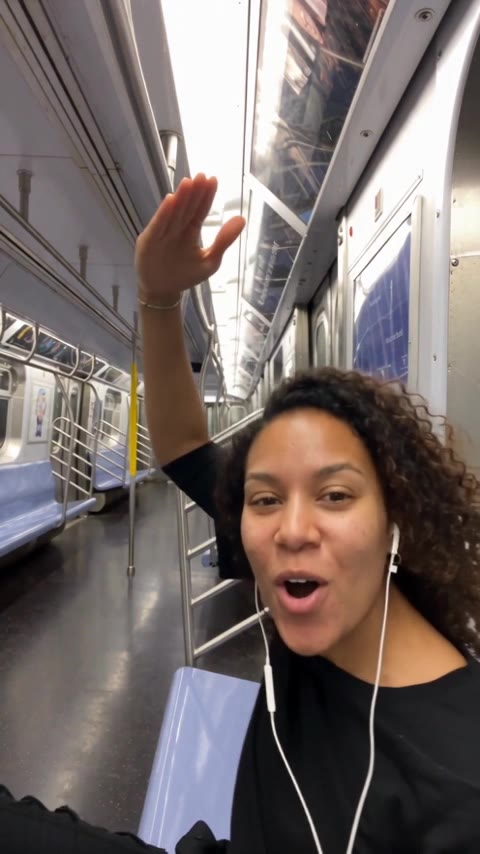
Gangnam Style AI is a 12-second night-out selfie clip in which you take every turn at the front camera with a grin, a hair flip, a point at the lens and a wink, and on videosi you make it from one photo of yourself. The song behind the trend is the 2012 hit by PSY, but the video you download is silent and has no connection to PSY or his label, so you add the sound yourself when you post.
Key takeaways
- The song is in Korean, Gangnam is a wealthy Seoul district, and the lyrics poke fun at people who pose as something they are not.
- The TikTok trend is a selfie format, friends taking turns at the front camera, not the horse-riding dance from the 2012 music video.
- The AI clip is silent, the mouth will not match the lyrics, and this page makes one person only, not a group.
- A standard 12-second video (Standard model, 720p) costs 10 credits, there is no free generation, and failed renders return credits.
In this guide
- What language is the Gangnam Style song, and what does "oppa" mean?
- What do the Gangnam Style lyrics mean?
- What is the Gangnam Style dance called, and where did it come from?
- Why does the AI trend use selfie whip pans?
- Is the Gangnam Style elevator trend the same thing?
- What photo works best?
- Why does the face not look like me?
- Can I do the group version with friends?
- How do other tools make this video, and what are the trade-offs?
- Can I use the Gangnam Style song on TikTok or Instagram?
- Should I label the post as AI-generated?
What language is the Gangnam Style song, and what does "oppa" mean?
The song is sung in Korean. It was released on 15 July 2012 by the South Korean singer PSY as the lead single from his sixth studio album, according to Wikipedia's Gangnam Style article. Most of the world knows it through the chorus, which explains why the phrase "oppa Gangnam Style" turns up in so many searches.
"Oppa" is a Korean word a woman uses for an older brother or an older male friend she is close to. The same article reports that the refrain has been translated as "Big brother is Gangnam style", with PSY referring to himself.
What do the Gangnam Style lyrics mean?
Gangnam is a district of Seoul known for wealth. Wikipedia's Gangnam District article calls it an affluent area and a fashion and trend center, and says there is a high concentration of wealth there. "Gangnam Style" therefore became a shorthand for a lavish, status-conscious way of living.
The song is a joke about that image. The Wikipedia article quotes PSY saying the song is poking fun at people who pose as something they are not, and describes his own summary of the mindset as "dress classy and dance cheesy." So the humour is the gap between the polished look and the goofy dance. That gap is the reason the trend works so well in a night-out selfie: a smart outfit, a city street and then a goofy face pulled right into the lens.
What is the Gangnam Style dance called, and where did it come from?
People usually call it the horse-riding dance, or the horse dance. It comes from the song itself, not from social media. The Wikipedia article describes it as pretending to ride a horse, alternately holding reins and spinning a lasso, and moving into a side gallop that shuffles the legs. It quotes PSY describing the idea as bouncing as if riding an invisible horse.
The 2026 TikTok trend does not use this dance, and neither does the Gangnam Style AI video: the clip is a selfie in which you take each turn at the lens, with a grin, a head tilt, a hair flip, a waist-up groove on the street, a point at the lens and a wink. If you want the horse dance, film it yourself; it is a move from the original music video.
Why does the AI trend use selfie whip pans?
The whip pans come from the format of the original trend. In the clip that started it, friends stand on a street with the phone held at arm's length and each one takes a turn at the lens. The quick swing of the phone from one person to the next is the cut between turns, done with the hand instead of an editor.
In the AI version the same device does a second job. A fast blur is a hard moment for a video model, so the clip is built so that there are only two of them, one at about three seconds and one at about six. They give the clip its handheld, real-phone feel without letting the camera wander for the whole 12 seconds. They are also where your likeness is most likely to slip, which is covered below.
Is the Gangnam Style elevator trend the same thing?
No. We treat it as a different scene. The trend this page covers is the street selfie: a night-out clip with the front camera at arm's length, the turns at the lens and the whip pans. An elevator version is set somewhere else, and we have not built or verified that setting, so we will not describe how it works.
If you were looking for the street clip, the Gangnam Style AI page has three places to pick from: a Gangnam night street with flags on poles, a Seoul sunset and a night plaza.
What photo works best?
Your photo is the only source for your face, hair, build and clothes, and most of the clip is a close selfie, so a clear face matters more than a full-body shot. Choose one front-facing photo with your face and upper body visible in soft, even light. A light or bright top stands out against a dark street.
What you wear in the photo is what you wear in every shot, so choose the outfit on purpose. Leave sunglasses and hats off unless you want them for the whole clip, because anything covering the face makes the likeness drift when the camera whips. The upload takes JPG, PNG, WEBP or HEIC files up to 10 MB.
Only adults who agreed should appear. videosi does not accept photos of minors, celebrities, public figures or licensed characters, and users must be 18 or older.
Why does the face not look like me?
The usual cause is the photo. A tight crop of just the face, harsh flash, deep shadow on one side, sunglasses or a hat all give the model too little to hold on to. Try a different photo rather than running the same one again.
The second cause is the clip itself. The whip pans and the moments with hands beside the face are where invented detail shows first, such as an extra finger or a changed sleeve. Likeness is not guaranteed on any video model, and keeping one face steady through three turns often takes more than one try. A render that finishes but looks wrong still uses its credits, while a failed, timed-out or blocked render returns them automatically.
Can I do the group version with friends?
Not on this page. The original trend is three friends taking turns, but the videosi version is one person only: you take every turn at the lens, and any passers-by stay small and far behind. The group version is not part of the Gangnam Style AI page yet.
That is a deliberate limit rather than an oversight. A group needs several faces held steady in the same shot, and when a clip tries it, the likeness of each person usually drops. If you want the group feel, a practical option is to make one clip each and edit them together in your video app, with a whip-pan-style cut between them.
How do other tools make this video, and what are the trade-offs?
You will see three approaches. The first is an editing-app template, where you drop your own clips or photos into a fixed layout. It is quick, but templates change or disappear often, and many of the popular ones are built around film characters rather than your own face. The second is a dance-transfer app, which maps a dance onto a character from a picture. It can copy a move well, but it does not give you the street selfie look, the turns at the lens or the whip pans.
The third is a general video model driven by a prompt alone. Without a motion reference it tends to invent its own dance, loses the turns at the lens and drifts away from your face during the pans. The videosi page uses ByteDance's Seedance with a motion reference and a five-part prompt built in, so you pick only the photo, the place and the format. We do not publish the full prompt. videosi is independent and not affiliated with any of these apps, with TikTok or with PSY.
Can I use the Gangnam Style song on TikTok or Instagram?
Use the platform's own music library. The downloaded MP4 is silent, so you pick Gangnam Style, or the trending version of the sound, inside the app you post from. The original recording belongs to its rights holders, so the safe route is the licensed catalogue the platform already provides, not a copy of the song that you upload yourself.
Availability differs by country, account type and app version, and the library changes over time, so check what is offered when you post. The silent file also means the mouth, which moves loosely as if singing along, will not line up with the lyrics.
Should I label the post as AI-generated?
Yes. The clip looks like phone footage of a real person, which is exactly the kind of realistic scene that platforms ask creators to label. Switch on the AI-generated label or toggle in the app you post from, and add a short line in the caption saying it is an AI video made from a photo. It costs nothing and keeps the joke obvious.
Because the file has no sound and no watermark, nothing in the video itself tells viewers it was generated. The label is the only signal they get, so do not skip it. Never present the clip as real footage of a trip, a night out or a person you did not photograph with consent.
When you are ready, the Gangnam Style AI generator has the examples and the three places to pick from. Rendering takes several minutes, and the result waits in My creations if you close the page.