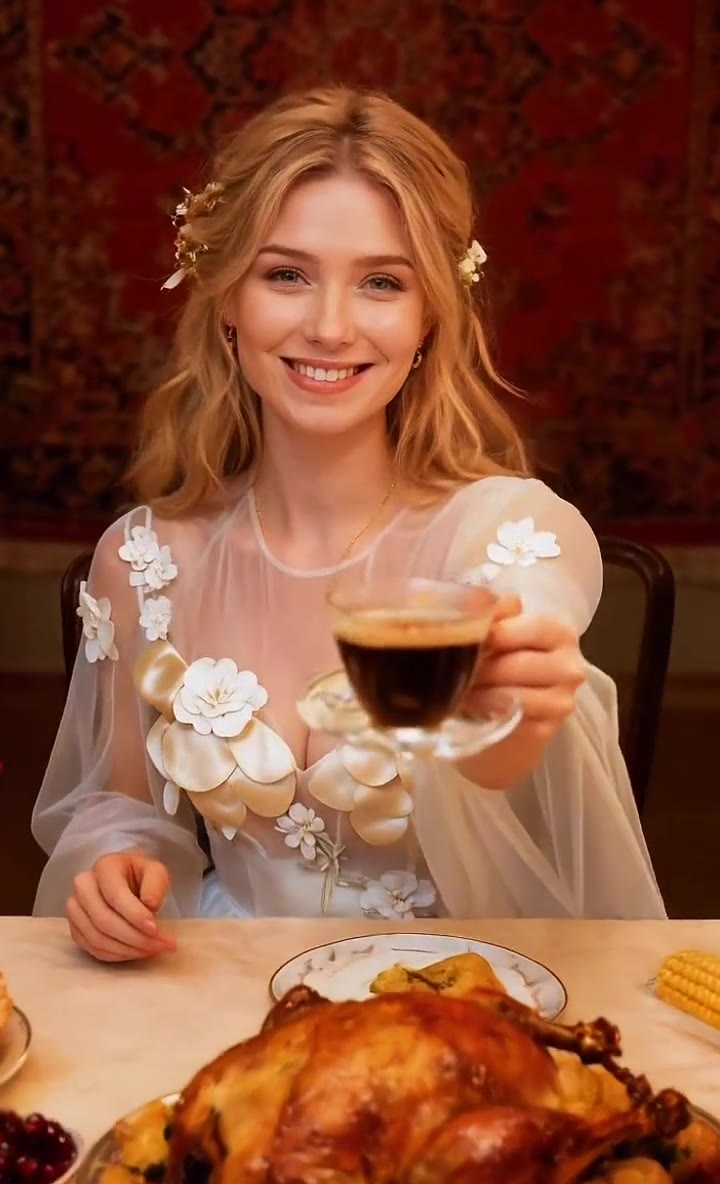
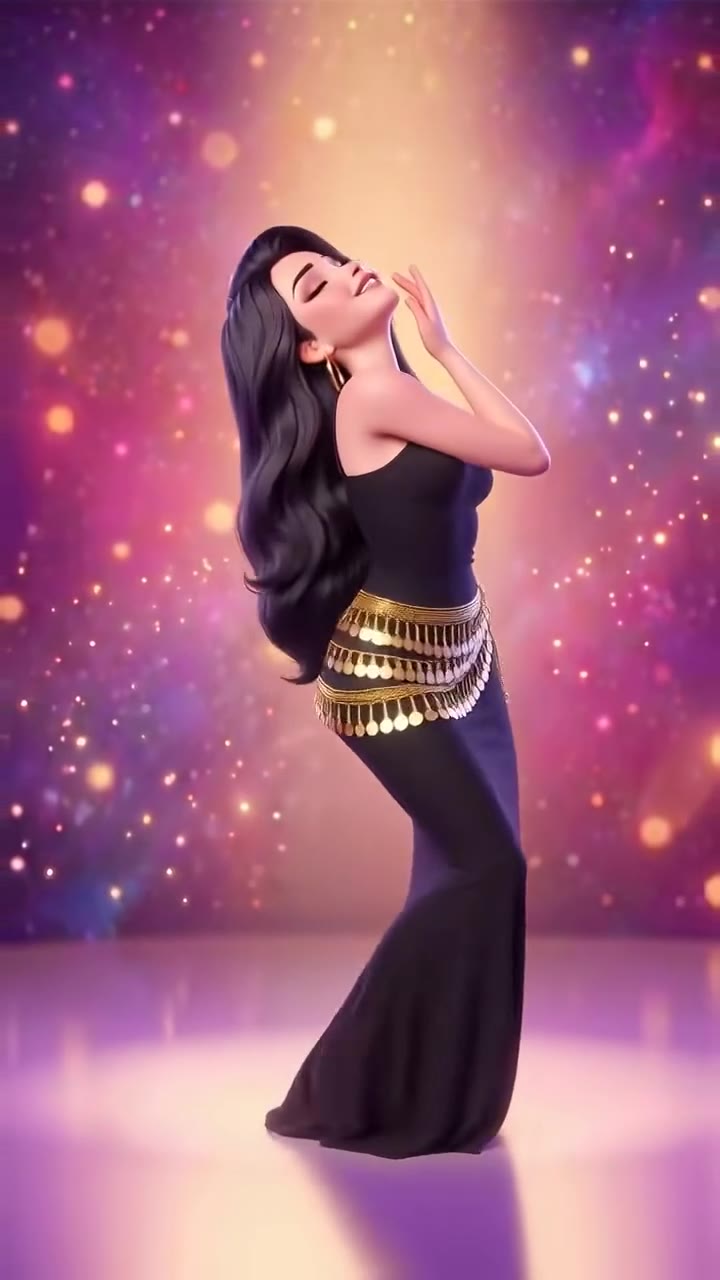
Ballibot Mogis is a TikTok hashtag, #BalliBotMogis, with no confirmed meaning. It is not a movie, a robot or a toy, and it is pasted onto many unrelated videos, though the most-viewed ones show a real person turned into a lanky, doll-like caricature who walks stiffly.
This guide answers the questions the page FAQ does not: why so many different videos carry the tag, how to spot an AI caricature, whether stacking hashtags helps, how caricatures differ from deepfakes, and what to check before you post your own.
Key takeaways
- The tag is a label added by repost and AI-content accounts, so it tells you almost nothing about what a video contains.
- The caricature walk is the format that gets the most views under it, with the top clip at 9.5 million views on 15 October 2026.
- Hashtags help people find a clip, but they do not decide how widely TikTok shows it; the video itself does.
- Label the post as AI-generated, and only caricature your own face or an adult who agreed.
- On videosi, one photo makes a 12-second video in three looks; a standard video (Standard model, 720p) is 10 credits.
In this guide
- Why do so many unrelated videos use this hashtag?
- How can I tell a video is an AI caricature?
- Does stacking hashtags help a video get seen?
- How do I choose hashtags for my own video?
- How is a caricature different from a deepfake?
- What photo works best?
- Which of the three looks should I pick?
- What music should go with it?
- Do I need to add an AI label on TikTok?
- What does the small search interest tell us?
Why do so many unrelated videos use this hashtag?
Because the people adding it are not describing their videos. Repost and AI-content accounts paste the same block of tags onto nearly everything they upload: #BalliBotMogis together with #TechMagic, #SmartBot, #AITrend and #RobotVibes. Under it you find cooking cartoons, party clips, light shows and pranks that share nothing except the uploader.
That is why the search "ballibot mogis meaning" has no tidy answer. A hashtag that is attached to everything stops pointing at one thing. We could not find a creator who coined it, a film it comes from or a sound that defines it, and we do not guess.
The useful part is a pattern inside the noise. One kind of clip keeps winning on views, and that is the one the Ballibot Mogis page recreates.
How can I tell a video is an AI caricature?
Most of the popular clips look like ordinary phone footage, so the tell is not the picture quality but the body. Look for these signs:
- One person with a head slightly too large, a long thin neck, narrow shoulders and long thin legs, while everyone around them looks normal.
- A stiff, doll-like walk: knees barely bend, arms hang straight, the head stays level.
- A very tidy loop of movement, such as a small hop and a quick spin, with the outfit flaring out on cue.
- A background that stays calm. People far away pay no attention to the odd figure.
- Proportions that wobble between shots, or hands and feet that slide slightly on the floor.
None of these proves a clip is AI, and none of the creators has said how theirs were made. We say "apparently with AI" for a reason. If it matters, for example before you share a clip as fact, look for a label on the post and check the account's other uploads.
Does stacking hashtags help a video get seen?
Not in any way you can rely on. A hashtag is a way for a viewer to browse a topic, and the more unrelated clips share one, the less it tells a viewer or the platform. The #BalliBotMogis tag is a good example: millions of views on one clip say more about that clip than about the tag.
There is also a risk side. TikTok's integrity and authenticity guidelines say it does not allow spam or content that tries to artificially boost engagement, and that penalties can include restricted search visibility or removal from the For You feed. Copying a long block of tags that do not describe your video is the kind of habit that gains nothing and can cost you something.
How do I choose hashtags for my own video?
Keep it short and honest. Three to five tags that describe the video do more than fifteen that do not.
- One tag for the format, such as #BalliBotMogis, if you want to appear next to the clips people are searching for.
- One tag for what is actually in the video, such as the outfit, the place or the joke.
- One tag for the way it was made, such as an AI video tag, which matches the label you should add anyway.
- Leave out tags like #SmartBot or #RobotVibes. Your video has no robot in it, and a viewer who clicks for one will leave.
The caption matters more than the tags. Say in one line what the viewer is watching, for example that it is you as an AI caricature. Search and recommendations both read the words you write.
How is a caricature different from a deepfake?
The intent and the exaggeration. A deepfake tries to make a real person look like they did or said something they did not, in a way that could pass as real. A caricature is built to be obviously exaggerated: the head, neck and legs are stretched and the walk is stiff, so nobody takes it as footage of an event. On videosi, the face is recognisable and the rest is deliberately not natural.
That difference does not remove the consent question. The video is still made from a real person's face. Our rules for the Ballibot Mogis page are simple:
- Use your own photo, or an adult who has agreed to it.
- No celebrities, public figures or minors, and you must be 18 or older to use videosi.
- Show the person the result before you post it. A stretched version of someone can land badly on a work or school account.
What photo works best?
A sharp, front-facing head-and-shoulders photo in even light. The caricature keeps your eyes, nose, mouth and skin tone and invents the body and the outfit, so you do not need to dress up for the photo.
- Face the camera. Side profiles make the exaggerated head drift.
- Leave the face uncovered. Sunglasses, hats, masks and hair over the eyes are where likeness slips first, especially during the spin.
- Skip beauty filters. Smoothing erases the features a caricature exaggerates, and the result looks like no one in particular.
- One person only. A group photo gives the model nothing to decide on.
Expect the likeness to be the weakest during the quick half spin. It is a caricature, so it will never be a 1:1 copy, but a good photo is the best insurance. A failed, timed-out or blocked render returns its credits automatically.
Which of the three looks should I pick?
There are three, and each suits a different kind of post.
- Patchwork doll follows the most-viewed clip: a red bob, a patchwork prairie dress and platform shoes. It is the closest to what people recognise, so start here if you want to match the trend.
- Disco pompadour has a tall black pompadour, a pencil moustache and a holographic jacket. It is the loudest look and suits a party or a birthday post.
- Big-head moustache is a bald dome with afro puffs and a huge handlebar moustache. It is the funniest for a friend group, once the friend has agreed.
All three use the same dance studio and the same stiff walk, hop and spin over 12 seconds. Other settings you may have seen under the hashtag, such as a dinner party or a stage, are not offered yet.
What music should go with it?
There is no single Ballibot Mogis sound. Every clip we checked used its own original audio, so you are free to choose. The video you download from videosi comes with a sound already on it, and you can swap it in TikTok, Instagram or CapCut if you like.
Some practical ideas for a 12-second clip:
- Pick a track with an even, mechanical beat, because the walk is stiff and regular and a steady beat makes the stiffness funnier.
- Put a small accent on the hop at about 5 seconds and on the spin at about 8 seconds.
Do I need to add an AI label on TikTok?
Yes, treat it as required. TikTok's community guidelines say creators must label AI-generated or significantly edited content that shows realistic scenes or people, and that unlabeled content may be removed, restricted or labeled by TikTok's team depending on the potential harm. A caricature walking through a photoreal studio fits that description.
Use the AI-generated option when you post and say it in the caption. It costs nothing, it keeps the joke honest, and it protects your account. We are independent of TikTok and CapCut, so check the current wording in the app before you post, as the controls can change.
What does the small search interest tell us?
That the curiosity is real but small, and that it is spread across places. Google searches for "ballibot" have appeared since late July 2026, mostly from Laos, Türkiye, the Philippines, Vietnam and Indonesia. People type "ballibot mogis movie" and "ballibot mogis meaning" because they have seen the tag and want to know what it refers to.
Be careful with these numbers. Google's own Trends help page says the data is a sample, is scaled relative to total searches, and that terms with very few searches can show as zero or carry statistical noise. So a small curve means interest, not a count of people, and one spike does not mean a trend has won.
For a creator, the lesson is practical. Searchers want a plain answer, so a caption that says what the video is will beat a block of tags. If you want to try it, open the Ballibot Mogis page, upload one photo, pick a look and press Generate. A standard 12-second video (Standard model, 720p) is 10 credits; the Single pack is $6.99 for 10 credits, credits never expire, and plans start at $29.90 a month.