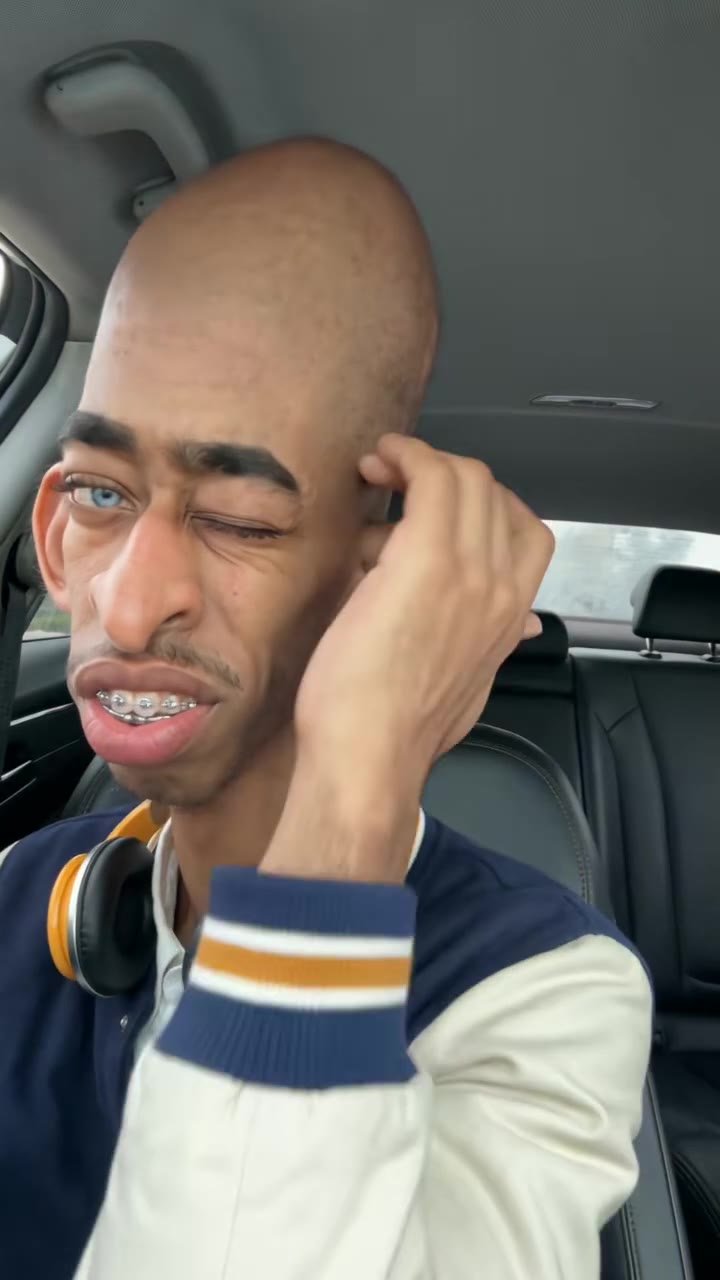
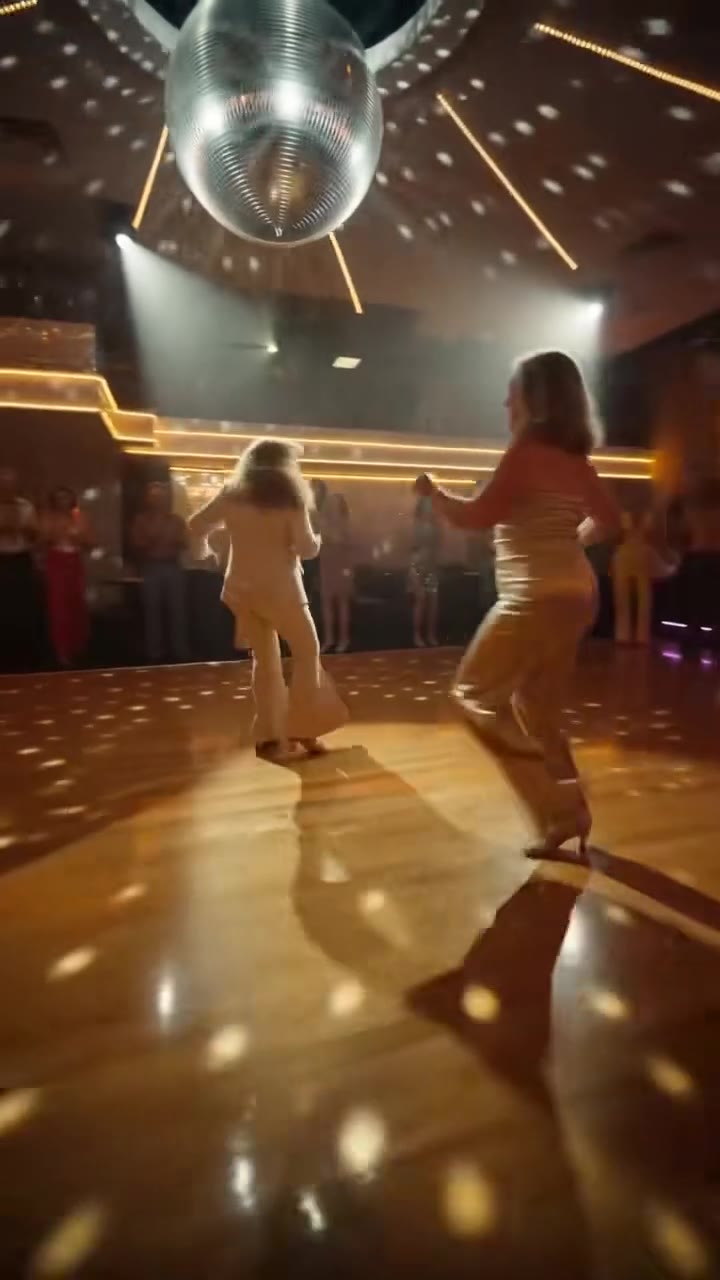
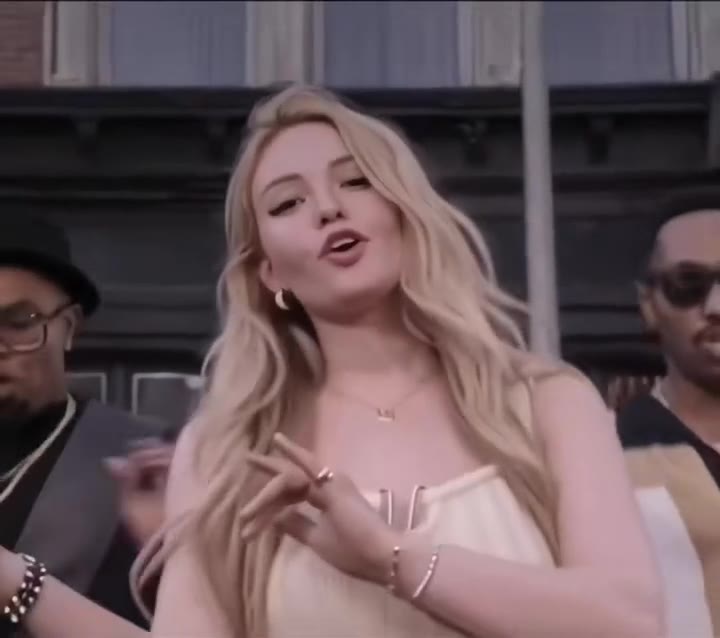
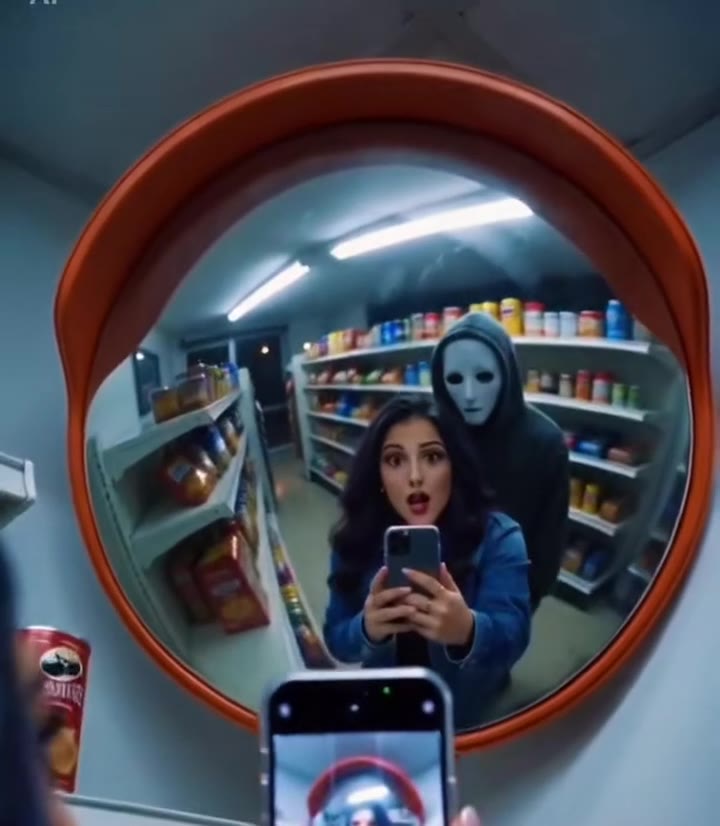
Tiny Desk AI is an AI video that puts one photo of you at the keyboard of a fake NPR-style desk concert, singing "Outstanding" with a band and a sax solo. videosi makes it in the browser as a 15-second MP4 with the trend sound on it. This guide goes deeper than the trend page: where the set comes from, how the trend spread, and what to expect from your own clip.
Key takeaways
- The set copies the look of NPR's Tiny Desk series and a June 2023 Charlie Wilson performance, not any real band.
- The earliest AI version found is dated 18 October 2026; CapCut and Kling templates spread it from 24 October.
- One photo makes one person; the band and the saxophonist are made-up adults.
- The clip has the "Outstanding" sound on it, but the mouth does not match the lyrics exactly.
- A standard 15-second clip is 13 credits; packs start at $6.99 for 10 credits, with no free trial.
In this guide
- Why is it called Tiny Desk, and what is the set copying?
- What was the Charlie Wilson performance the trend imitates?
- Why did a sports parody start it?
- How did it go from a parody to a trend everyone could make?
- How is an AI version different from a CapCut or Kling template?
- What actually makes the video?
- Who are the other people in the clip?
- How do you take a photo that works?
- Does it sing along, and what is the sound?
- Can you post it on Instagram or TikTok, and what about copyright and AI labels?
- Why can't you use a celebrity or a child's photo?
- What does it cost, and what happens if a render fails?
Why is it called Tiny Desk, and what is the set copying?
The name comes from NPR Music's Tiny Desk Concerts, a series of stripped-down live performances filmed in Washington, D.C. The joke of the format is the room: an office crowded with bookshelves, records, mugs and trinkets, where a band squeezes in around one desk.
The AI clips copy that look and nothing else. They use the cramped office, the microphones on stands and a red keyboard, but no NPR logo and no real performers. videosi is not affiliated with NPR or Tiny Desk, and the set is an imitation of a style, not footage from the series.
What was the Charlie Wilson performance the trend imitates?
Charlie Wilson, the lead singer of The Gap Band, closed his NPR Tiny Desk concert in June 2023 with "Outstanding". That performance is the model for the clips: a singer at a keyboard, a small band bouncing and clapping behind, a close-up of the lead laughing through the chorus and a saxophone solo.
"Outstanding" itself is older. It is track 4 on Gap Band IV, the group's 1982 album, and it was released as a single in November 1982. The AI trend borrows the energy of the 2023 desk concert and the sound of the 1982 song.
Why did a sports parody start it?
The earliest AI version we found is dated 18 October 2026 on TikTok. It was a parody that cast American college football coaches as a losing team's band, singing at the desk. Versions with NFL and NBA teams followed.
A parody works well here because the format is easy to read in two seconds: a serious person at a keyboard, a goofy band behind, a laugh on the chorus. The contrast is the punchline. No single original post is confirmed, so treat the 18 October clip as the earliest one found, not as proven origin.
How did it go from a parody to a trend everyone could make?
From 24 October, CapCut and Kling template tutorials spread the format to everyone, and one tutorial passed 260,000 plays within days. As of 27 October 2026 the trend is spreading on TikTok, mostly as "put your friends in a Tiny Desk set" posts.
That is the usual shape of a Tiny Desk AI wave: a joke clip first, then a template that lets anyone swap in their own face. The stage in our tracking is "spreading", so it is still growing, not yet a finished meme.
How is an AI version different from a CapCut or Kling template?
Shared templates are fast, but they change or disappear often, and what you get depends on the template author. You usually work inside the app, and you need to check there whether a template still exists.
The videosi page is a browser tool instead. You upload one photo, choose an aspect ratio and press Generate; the set, the cuts and the prompt are built in, so you write nothing. It makes a 15-second MP4 with no app to install. videosi is independent and not affiliated with TikTok, CapCut or Kling, so use whichever route fits you.
What actually makes the video?
videosi uses ByteDance's Seedance model. The default is Seedance 2.0 Mini, and the Fast, Pro and Seedance 2.5 Ultra tiers are one click away. The input is your photo plus a 15-second motion reference clip, with a five-part prompt built in.
The five parts are a swap of the person at the keyboard for you, an identity lock on your face and outfit, anonymous made-up band members, a timeline of three shots, and a set of rules about lighting, people count and text. We do not publish the full prompt. The reason it is built in is practical: typed prompts alone rarely give the crowded office, and without a motion reference the cuts disappear into one long shot.
Who are the other people in the clip?
Only one person comes from your photo: you, at the keyboard. The backing singers and the saxophonist are AI-generated passers-by, ordinary adults in plain clothes with no jerseys, no team logos and no famous faces.
That also means you cannot put a friend on the sax by uploading a second photo. The clip has exactly four people, and three of them are invented. If you want a friend in the trend, make a second clip with their photo, with their consent.
How do you take a photo that works?
Use one clear, front-facing photo of yourself with even light and your whole face visible. Likeness is not guaranteed, and it drifts most in the close-up, when the lead turns toward the band and laughs, so a sharp, neutral shot gives the model the most to hold on to.
Avoid sunglasses, heavy filters, hats that hide your hairline and photos where you are partly turned away. Your photo is the only source for your face, hair, build and outfit, so what you upload is what you get. The first result is rarely perfect, so expect to try more than once.
Does it sing along, and what is the sound?
The finished clip comes with the "Outstanding" sound already on it. Your mouth moves as if singing, but it does not follow the lyrics word for word. The clip is about the laugh, the bouncing band and the sax break, so it reads as a performance rather than a lip-sync test.
Which recording each AI clip uses is not checked one by one across TikTok. If you post on TikTok or Instagram, you can swap the sound from their library, which also keeps you on the platform's own licensed music.
Can you post it on Instagram or TikTok, and what about copyright and AI labels?
Yes, you download an MP4 and upload it like any video; the aspect ratios 9:16, 1:1 and 16:9 cover Reels, TikTok and a feed post. The song belongs to its rights holders, so the safest habit is to use the platform's own sound library when you post.
Platforms increasingly ask creators to label AI-generated content, and a clip of a fake band is exactly that. Turn the AI label on when the app offers it. This is a general habit, not legal advice, and you remain responsible for what you post.
Why can't you use a celebrity or a child's photo?
videosi does not accept photos of celebrities, public figures or children. A believable video of a real famous person performing on a fake NPR set is the kind of thing that misleads, and a child's face does not belong in a public trend at all.
Use your own photo, or a friend's with their permission. Only adults appear in the clip, which is one of the rules built into the prompt.
What does it cost, and what happens if a render fails?
The Tiny Desk AI video is not free: there is no free generation and no free trial. A standard 15-second clip (Standard model, 720p) is 13 credits, with no watermark. Credit packs start at $6.99 for 10 credits and never expire, and plans start at $29.90 a month.
Better models and higher resolutions cost more, and rendering takes several minutes. A failed, timed-out or blocked render returns its credits automatically.
Ready to try it? Upload a photo on the Tiny Desk AI page and press Generate. videosi is not affiliated with NPR, Tiny Desk, The Gap Band, TikTok, CapCut or Kling.