The Ramalama costume walk is a Halloween TikTok reveal in which a camera on the ground follows your shoes, then whips up on the drop of "Ramalama (Bang Bang)" to show your full costume. You can make it without filming: upload one photo to the Ramalama costume walk AI page and videosi builds the 12-second walk around you. This guide answers the questions that the page's own FAQ does not go into.
Key takeaways
- The trend is a 12-second reveal: shoes first, a tilt-up at about 6 seconds, then a full-body walk and a stare at the lens.
- A full-body photo with your face visible matters more than any wording, and wearing your costume in the photo keeps it exact.
- The file is silent. Add "Ramalama (Bang Bang)" on TikTok and trim it so the drop hits the tilt-up.
- A standard render is 10 credits, and Halloween is 31 October 2026, so post in the days before.
In this guide
- Where does the Ramalama costume walk come from?
- Why is the song Ramalama (Bang Bang)?
- How do you film the real version?
- What is the difference between the AI version and the filmed one?
- Why does AI show the face too early?
- What photo should you upload?
- How do you line the reveal up with the drum beat?
- Can you use your own costume?
- Why are group and pet versions not offered?
- Should you label the video as AI when you post?
- What happens after Halloween on 31 October?
- How do you use the phrase "did we win this trend"?
- What does one video cost?
Where does the Ramalama costume walk come from?
The Ramalama costume walk is a Halloween 2026 TikTok trend with no single confirmed original post. The earliest filmed walks we found are dated 5 to 7 October 2026, and the first one-photo AI version we found is dated 6 October 2026. By mid-October it was being listed among the month's top TikTok trends, including in the New Engen October 2026 TikTok trends roundup, which describes videos that begin with a low camera angle on someone's feet and build suspense before the costume reveal.
We do not quote view counts, because we could not verify one number for the whole trend. What we can say is that the filmed versions came first, the AI remakes followed within a day, and CapCut templates and AI video sites caught up between 14 and 22 October.
Why is the song Ramalama (Bang Bang)?
The song is "Ramalama (Bang Bang)" by Róisín Murphy, track 8 on her album Ruby Blue, released on 13 June 2005 according to Wikipedia. It is not a Halloween song by origin. It became one because the costume walks are cut to its drop: the slow, quiet steps build up and the reveal lands exactly when the track kicks in.
That is also why the trend is named after the song and not after Halloween. People search for "Ramalama" first and for the costume second. The Ramalama costume walk AI page uses the same name for that reason, and it answers the first questions in its own FAQ. This guide goes deeper.
How do you film the real version?
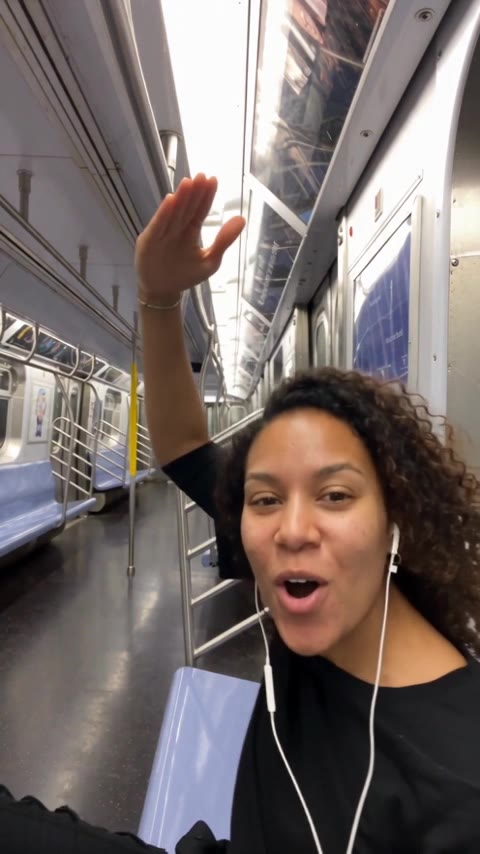
You prop a phone on the ground, pointing along the path you will walk, and start recording before you enter the frame. The first three seconds show only shoes and lower legs, so the lens needs to sit almost on the pavement. Then you walk toward it in slow, confident steps, and a friend or a second take handles the tilt-up on the drop, or you tilt the phone yourself by hand at the last step.
Most people need several takes. The tilt has to land on the beat, the costume has to look good at full height, and the street behind you has to be empty. That cost in time is the main reason an AI version appeals: it removes the tripod, the second person and the retakes.
What is the difference between the AI version and the filmed one?
The filmed version is you in your real costume on a real street, with a real camera that you aim. The AI version is a 12-second clip generated from one photo of you, in a fixed scene: an empty suburban street at night, wet asphalt, one hard light from the camera side and pumpkins far behind. The beat structure is the same, six moments over 12 seconds: shoes, closer, whip tilt-up, full reveal, hair flick and turn, the stare.
What you give up is control of the location and the small, human details. What you gain is repeatability and speed. If you want your own street, film it. If you want the reveal without leaving the sofa, the Ramalama costume walk AI render takes several minutes, and the result is saved in My creations.
Why does AI show the face too early?
Most video models are trained to show a person's face quickly, because faces are what a clip is usually about. Ask for a costume reveal and the face appears from the first frame, so the whole build-up, shoes first, is lost. Without a motion reference the tilt-up also never lands on a beat: the camera drifts up slowly or the person just stands there, and the clip cannot be cut to the drop.
The fix on videosi is a silent reference clip of the real walk. It sets the ground-level approach, the slow steps, the tilt-up and the final stop, and takes nothing else from the clip: not the person, not the costume, not the street. The rules block adds that the face is never visible before 6 seconds and is never hidden after 7 seconds.
What photo should you upload?
Upload a full-body or at least waist-up photo, facing the camera, in even light against a plain background. The walk starts on your legs and shoes, so a tight selfie makes the model invent your body, and your real shoes will not survive the reveal. Keep your face visible: no mask, heavy face paint or sunglasses, because anything on your face in the photo stays on it.
How do you line the reveal up with the drum beat?
The tilt-up in the video sits at about 6 seconds, and it runs to 7 seconds. In the sound editor on TikTok, trim "Ramalama (Bang Bang)" so the drop begins at that tilt. The videosi file is silent, so you choose the exact moment yourself. If the drop lands a little early or late, move the sound by a fraction of a second and replay the clip a few times.
Watch the face at the end of the tilt. When the drop and the first full view of your face coincide, the clip feels cut to the music. The rest of the walk, the hair flick and the final stare at the lens, then plays out over the drop and what follows.
Can you use your own costume?
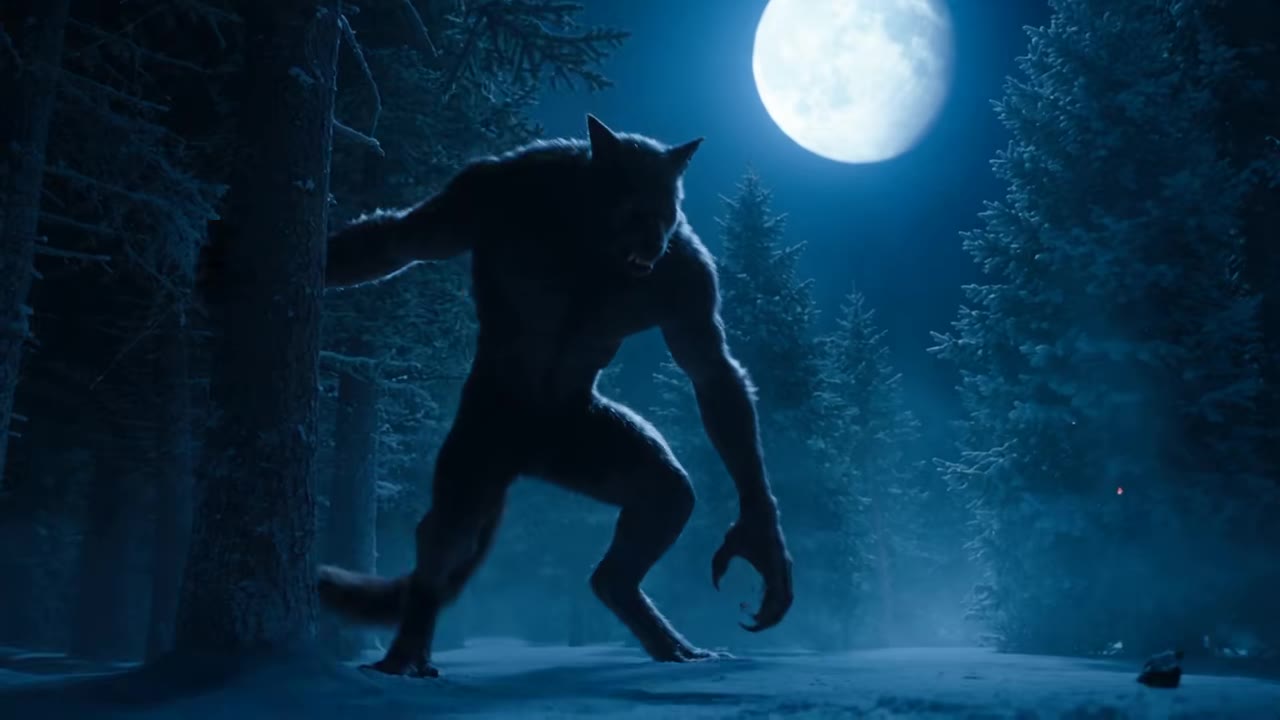
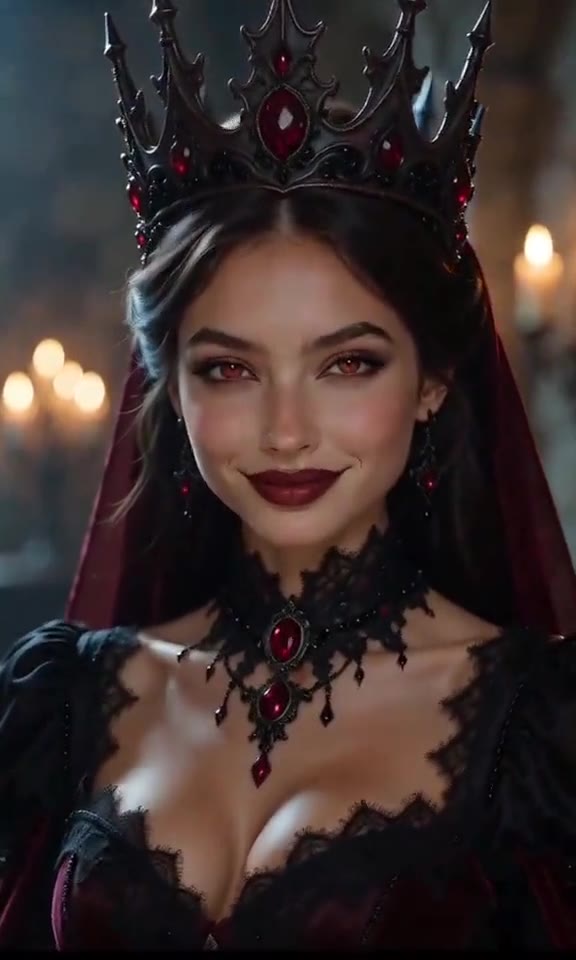
Yes, and it is the most faithful option. Wear the costume in the photo and choose "The one in my photo": the model keeps every garment, colour, accessory and the shoes as they are, and adds nothing. If you do not own a costume, there are four presets: witch, vampire, haunted doll and dark fairy.
The presets are fixed descriptions, so fabric and small details vary from render to render across the 12 seconds. There is no free-text costume box, and licensed characters are not offered. For a detailed handmade costume, the photo route is better than any preset on the Ramalama costume walk AI page.
Why are group and pet versions not offered?
The group walk, where friends are revealed one per bar, needs a different reference clip and several consistent faces in one take. Pets need a different motion reference too, since a dog or cat does not step toward the lens in the same slow rhythm. The Ramalama costume walk AI page takes one photo of one adult and makes a solo walk.
If a photo shows another person, they must be an adult who agreed. The page is not for photos of minors, and not for people who have not agreed.
Should you label the video as AI when you post?
Yes, we recommend it. TikTok has its own AI-generated content label, and using it is simple and honest. It also avoids the awkward moment when a viewer asks whether you really walked down that street at night. The costume walk is a playful format, and most people who see an AI label simply watch it for the effect.
The videosi file has no watermark, so the label is your responsibility. If you make a video of anyone besides yourself, label it and get their agreement first.
What happens after Halloween on 31 October?
Halloween 2026 is on 31 October, and costume trends fade quickly once the day passes. The Ramalama costume walk AI page stays up for next year, because the walk is likely to come back with the season, and the song and the format are already known. A render takes several minutes, so the best time to post is in the days before 31 October, not on the day itself.
How do you use the phrase "did we win this trend"?
"Did we win this trend?" is the caption people add after posting their walk, half joking and half asking for votes. It works as a closing line on the clip and as a comment prompt. Put it as on-screen text on TikTok after you add the sound, not inside the AI render, because the videosi video carries no text on purpose.
What does one video cost?
A standard video (Standard model, 720p, 12 seconds) is 10 credits. Credit packs start at $6.99 for 10 credits and never expire, and plans start at $29.90 a month. There is no free generation and no free trial. A failed, timed-out or blocked render returns its credits automatically. Likeness is not guaranteed, so a front-facing photo in even light is the best way to protect your credits.
Better models and higher resolutions cost more. You can start on the Ramalama costume walk AI page and see the exact price before you press Generate.