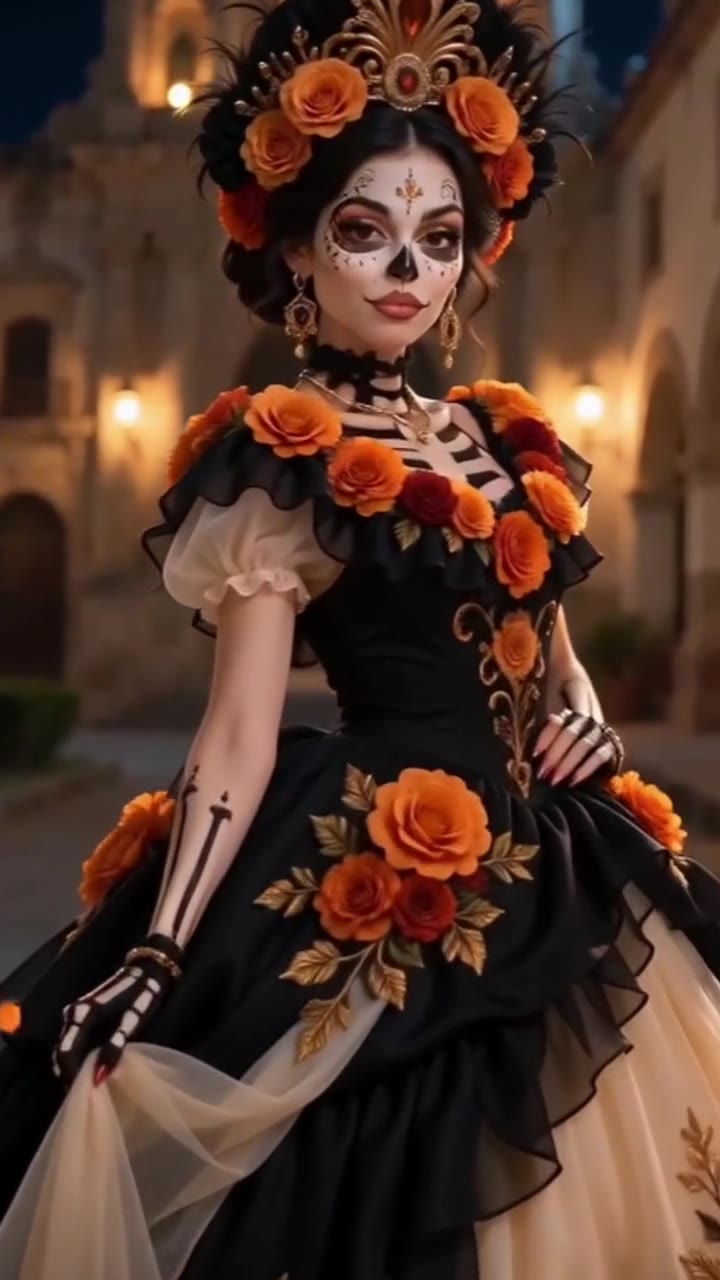
The Día de Muertos mascotas AI video is a silent 12 second tribute made from one photo of a pet, shown arriving among marigolds and candles for the Mexican custom of remembering animals on 27 October. That day is a popular modern custom, not an official date, and in 2026 it is a Tuesday, a few days before Día de Muertos on 1 and 2 November. This guide goes deeper than the page FAQ: ofrendas for pets, photos, cats and other animals, the two looks and how to share the result with care.
Key takeaways
- 27 October is a popular custom for remembering pets, not an official date; Día de Muertos is 1 and 2 November 2026.
- A pet ofrenda needs only a photo, water, a flower and a candle; the rest is optional.
- One sharp photo of one animal gives the best likeness; cats and other pets work too.
- Present the clip as a tribute and a memory, label it AI generated and tell family before posting.
- A standard 12 second video is 10 credits, and a failed render returns them.
In this guide
- Is 27 October an official part of Día de Muertos?
- What usually goes on an ofrenda for a pet?
- What does the video add to an ofrenda?
- Which photo works best?
- Can I use a cat, a rabbit or another pet?
- Should I choose real footage or the animated 3D look?
- What is the difference between the path to the ofrenda and the visit at home?
- How can I share it with family without hurting anyone?
- Is it suitable for children and for people who are grieving?
- What does it cost, and what if the result is not right?
Is 27 October an official part of Día de Muertos?
No. Día de Muertos itself is celebrated on 1 and 2 November, and UNESCO lists the Mexican festivity on its Representative List of the Intangible Cultural Heritage of Humanity. The day for pets is a different thing. Mexican outlets such as Infobae explain that 27 October is a popular custom that has grown in recent years, not an ancestral practice shared by every community.
That does not make it less meaningful. Many families treat it as a gentle warm up before the main days: 27 October for pets, 28 October for people who died in tragic circumstances, then 1 and 2 November. In 2026, 27 October is a Tuesday. If your family keeps a different date, or simply remembers your pet whenever it feels right, that is just as valid.
What usually goes on an ofrenda for a pet?
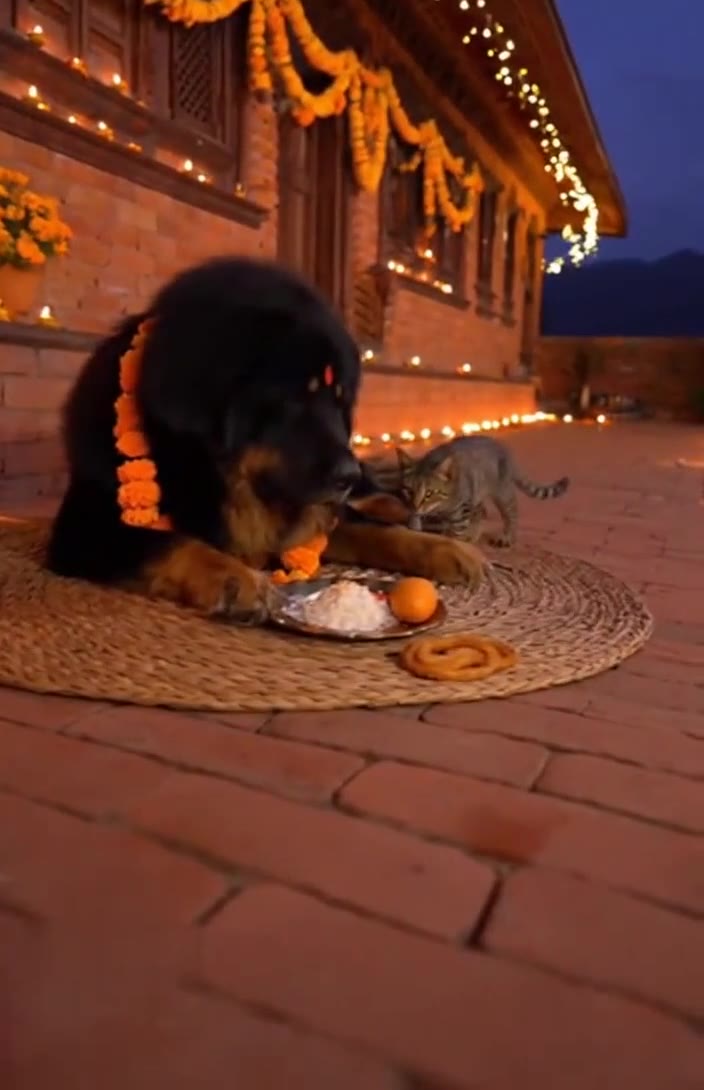
The same ideas as a family ofrenda, adapted to an animal. Press coverage of the custom lists a framed photo of the pet in the centre, a bowl of fresh water, its favourite food or treats, a toy, blanket or collar, white candles, orange cempasúchil marigolds and often a path of loose petals from the door to the table. Some households add papel picado, copal or small animal figures. Nobody needs all of it: a photo, a flower and a candle is a complete ofrenda.
UNESCO describes the home shrine for people as a place of flower petals, candles and favourite dishes, so the pet version follows the same logic. If other animals live in your home, keep candles and incense high and out of reach, and never leave a flame unattended.
What does the video add to an ofrenda?
It adds a moving picture to the still photo. The Día de Muertos mascotas AI video is a silent 12 second clip built from one photo. In the first setting, a small warm light settles on a path of marigold petals, your pet appears in the glow and walks toward a candle-lit ofrenda. It is meant as a tribute and a memory, a few seconds to look at together, not a claim that anything has changed. Your pet is never shown speaking or acting like a person; it blinks, looks around, takes a few calm steps and looks at the camera.
Which photo works best?
Choose the photo where your pet looks most like itself. Four things matter:
- A sharp face, with the eyes, nose and markings clear.
- The whole body if you have it, because the pet walks and sits in the clip.
- Daylight or window light, so the true coat colour survives the candle-lit scene.
- Only one animal in the frame. A second pet or a person can blend into one odd creature.
Old phone photos are fine if the face is sharp. If your pet was mostly white, mostly black or very fluffy, expect the likeness to drift a little more and try a second photo if the first result is not right. The page tips on the Día de Muertos mascotas page give the same checklist in short form.
Can I use a cat, a rabbit or another pet?
Yes. The clip honours whichever single animal is in your photo, with its own species, coat and markings, so a cat, rabbit, bird or guinea pig works as well as a dog. It moves only the way that animal really would: a cat sits and blinks, a rabbit hops carefully, a dog walks forward with its tail up. Several people choose a cat precisely because most social templates assume a dog.
For a home with more than one pet, make one video per animal rather than putting them in the same photo. Each clip costs its own credits, but each animal stays recognisable.
Should I choose real footage or the animated 3D look?
Both show the same scene; the difference is the feel. Real footage looks like a filmed moment, and it is the better choice if you want something close to a photograph of your pet. The animated 3D look turns your pet into a warm, soft character, which many families find lighter and easier to share with children. Neither is better, and the likeness depends mostly on the photo.
If you are not sure, start with real footage for yourself and make the animated version only if you want something gentler to post. Both come from the same photo, so the second try needs no new setup.
What is the difference between the path to the ofrenda and the visit at home?
The path to the ofrenda is an outdoor night scene: starry sky, a stepped ofrenda at the far end, candles along the petal path and your pet walking toward the camera. The visit at home is quiet and indoors: moonlight, a few small candles, a trail of petals from a door and an adult sleeping peacefully while the pet comes in.
Pick the path if you want a clean tribute to post on 27 October. Pick the visit at home if the pet shared your bed or your room and you want the memory to feel personal. In the home setting the sleeping person is generated and changes from video to video, so it is not a portrait of you.
How can I share it with family without hurting anyone?
Think about who will watch it. A grandparent, a child or a partner who is still grieving may not want a surprise. A few habits help:
- Tell people first. A short message such as "I made a small tribute for our dog, watch if you would like" lets them choose.
- Call it a tribute or a memory, not a return, and avoid captions that suggest the pet is alive again.
- Say it is AI generated. It is silent, so add your own music or a spoken note if you want.
- Post it on 27 October next to the real photo and a line about what your pet was like.
Many people simply play it once for the family around the real ofrenda and keep it there as part of the evening.
Is it suitable for children and for people who are grieving?
The scene is deliberately calm: marigolds, candles, papel picado, pan de muerto and a pet that walks forward and looks at you. There are no skeletons, wounds, dark smoke or frightening shapes, and the pet is fully solid and sharp for the last seconds. That said, grief is personal. For a child, watch it together and let them say what they feel. For anyone whose loss is recent, offer the clip rather than sending it, and be ready for tears. If it feels too much, the photo and a candle are enough.
What does it cost, and what if the result is not right?
A standard 12 second video (Standard model, 720p) is 10 credits. Credit packs start at $6.99 for 10 credits and plans start at $29.90 a month. There is no free tier. A failed, timed out or blocked render returns its credits automatically.
If a render finishes but the face is off, you pay for another try, so check the photo first. Make the clip a few days before 27 October, not on the evening, so you have time to adjust and choose the version you like best. For the festival itself, with people rather than pets, see Día de Muertos AI.