Bulin 47 AI is an 11-second clip in which you, or your dog or cat standing upright, take the spot in front of a speaker at a red-lit restaurant door and shrug and gesture to the beat. videosi makes it from one photo, and the video is silent, so you add the Dame Hombro sound yourself on TikTok or Reels. This guide goes past the basics on the trend page and covers the choices that decide whether your version works.
Key takeaways
- The pet version is the one that took over: a grinning dog clip passed 14 million views on TikTok.
- Use a bright, front-facing photo that shows shoulders and arms, because the scene is lit almost entirely red.
- The clip has no rap and no singing; the shoulder shrug runs from 7 to 10 seconds, so line your sound up there.
- An 11-second Standard 720p clip is 10 credits; packs start at $6.99 for 10 credits and plans from $29.90 a month.
- Bulin 47 himself never appears, and photos of celebrities, public figures and minors are not accepted.
In this guide
- Why did the pet version spread faster than the human one?
- How do you make a pet photo work?
- Why is the red light the hardest part?
- How is the Dame Hombro move broken down?
- How do you match the sound to the shrug on TikTok?
- What is dembow, and why does it suit a short clip?
- Will an AI label get the video taken down?
- Why is there no footballer version?
- Can you do all of it on a phone?
- Which numbers around the trend can you trust?
Why did the pet version spread faster than the human one?
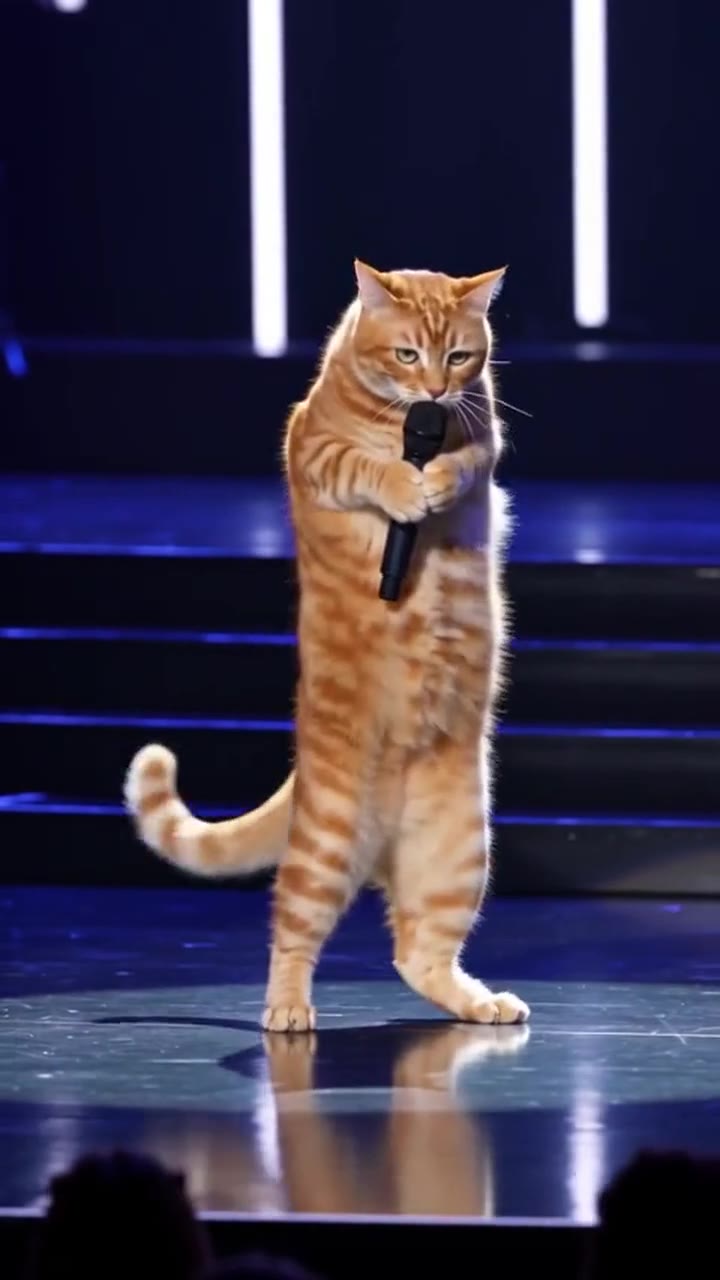
The original joke is a street freestyle: a Dominican artist is stopped outside a restaurant, a speaker plays a beat, and he answers on the spot. Putting a person in that spot is a face swap. Putting a dog there adds a second gap, because the animal stands up, points at the crowd and shrugs like it has been doing this for years. TikTok tutorials for AI versions began on 7 October 2026, and by 9 October a grinning dog had become one of the most watched, passing 14 million views on TikTok.
Our reading, not a measured fact, is that the pet version needs no explanation. You do not have to know the song to find a chihuahua in gold chains funny, and the clip is short enough to rewatch. That is why Bulin 47 AI accepts a pet photo as readily as a portrait.
How do you make a pet photo work?
The photo is the only source for the performer, so it decides how much the model has to invent. For a pet, choose a calm shot where the animal looks into the lens, with the whole head and chest visible and good light on the fur. A sharp nose, clear eyes and visible markings are what the model holds on to once the crowd closes in.
Accessories in the photo carry over: a collar, a bandana or sunglasses will appear in the video, and nothing else is added. If you want gold chains, the pet has to wear them in the photo. Keep one animal in frame, because a second pet in the background can end up performing too. Expect paws and fur to blur slightly during fast gestures, since the animal is drawn standing upright like a person, and that is part of the joke.
Why is the red light the hardest part?
The whole scene sits under red neon strips along the ceiling, with red-lit steps behind the performer. Under that much red, faces and fur drift toward the colour of the walls, and a dark or small photo loses detail within a second or two. A video model asked for this scene without an identity lock tends to wander: your face changes between beats, or the markings on your pet move.
Two other failure modes are worth knowing. With a dense crowd pressed around the performer, models often give your face to someone in the background or add a second performer. And if you ask a model for the viral video by name, it tends to draw the singer instead, which you do not want and which many models block as a real person. The videosi page avoids both by taking the performer only from your photo and the movement only from a motion reference. The practical advice is simple: use a photo in white or daylight, skip dark sunglasses and hats on people, and show shoulders and arms.
How is the Dame Hombro move broken down?
"Dame hombro" is Spanish for roughly "give me shoulder". The clip on the trend page runs in five beats. From 0 to 2 seconds the camera pushes through the crowd toward the red-lit steps and you arrive as someone steps aside. From 2 to 4 seconds the host raises a round speaker toward you, and you grin and lift both hands, catching the beat.
From 4 to 7 seconds come the freestyle gestures: hand chops, palms out toward the speaker, a point at the crowd and small nods. The shoulder move is from 7 to 10 seconds, with both shoulders shrugging up and down on the beat while the hands flick low at the hips. The last second, from 10 to 11, is a big laugh as the crowd cheers. If you remember one thing, the shrug is the part viewers recognise, so it is the part to line up with your sound.
How do you match the sound to the shrug on TikTok?
The video from videosi is silent and has no rap, so the sound work is yours, and it takes a minute. Upload the MP4 to TikTok or Reels, then pick the Dame Hombro sound or the original freestyle audio in the app. Use the trim handle on the sound to move its starting point.
The aim is for the first strong beat of the shrug to land around the 7 second mark. Start the audio a little earlier so the hand gestures from 4 to 7 seconds already sit on the rhythm, then play the clip back with the volume up and check where the shoulders move. The official release date of the song is not something we have verified, so we do not quote one; many posts reuse the original freestyle audio as an original sound, and that is the version to search for if you cannot find the track.
What is dembow, and why does it suit a short clip?
Bulin 47 is a Dominican urban artist, and the music around him is dembow. Wikipedia describes Dominican dembow as a style from the Dominican Republic, often called a subgenre of reggaeton, that uses a sped-up version of the dembow rhythm as its core percussion; it spread to Spain, the United States, Chile and Italy and gained global recognition in the 2010s.
That matters for a short video because the rhythm is easy to see. A fast, repeating beat makes a shoulder shrug and a hand chop read instantly, even without a lyric. Latination reports the clip as a Caribbean dembow freestyle outside a restaurant in Spain, and it names the artist as Hancel Teodoro Vargas Reynoso, known as Bulin 47. That is why a silent AI performance still feels connected to the original.
Will an AI label get the video taken down?
We cannot promise how any platform will treat a post, and rules change, so check the current wording in the app when you publish. As general advice, label realistic AI edits where the platform offers a label. A photoreal dog on its hind legs in front of a crowd is clearly a creative edit, and a short caption such as "AI version of my dog" is usually enough. AIIDE List makes the same point in its guide to Bulin 47 videos: disclose realistic AI alterations as the platform requires, and add licensed audio separately.
Two choices lower the risk of trouble. First, use your own photo or a pet, or an adult friend who agreed. Second, add the sound through the platform's own library so that the music is used under its licence. This is not legal guidance.
Why is there no footballer version?
Many of the most shared edits put famous footballers in the performer's spot. Those use real people's faces, and videosi does not accept photos of celebrities, public figures or minors. Users must be 18 or older and have the right to use the photo. Bulin 47 does not appear in the clip either: the performer is never made to look like him, the crowd and the host are generic AI people, and the movement comes from an AI-made clip of an ordinary performer, not from the original footage.
Can you do all of it on a phone?
Yes. The page runs in the mobile browser, so the whole job is: take a photo, upload it on the Bulin 47 AI page, pick 9:16 for TikTok and Reels, press Generate, then download the MP4. Rendering is done on our side, so the phone only has to upload and play. When the file is saved, open TikTok or Reels, add the sound and post.
If you are shooting a pet, take the photo at eye level in daylight by a window, with the animal facing you. Cost per try is 10 credits for an 11-second Standard 720p clip. Packs start at $6.99 for 10 credits and plans from $29.90 a month; there is no trial, so check the photo before you press Generate. A failed, timed-out or blocked render returns its credits automatically.
Which numbers around the trend can you trust?
Treat view counts as reported figures. The real freestyle is Kevin Wai's Instagram reel dated 2 October 2026. AIIDE List reports that coverage put it past 65 million Instagram views by 7 October, and Latination says it has passed 50 million total views; the two numbers come from different counts and dates, so do not add them. The dog version passing 14 million views on TikTok is the figure from our own trend research.
The song's official release date is unverified. videosi is independent and is not affiliated with Bulin 47, Kevin Wai or their labels. When you are ready, open the Bulin 47 AI page and spend your effort where it counts: the photo before, and the sound alignment after.